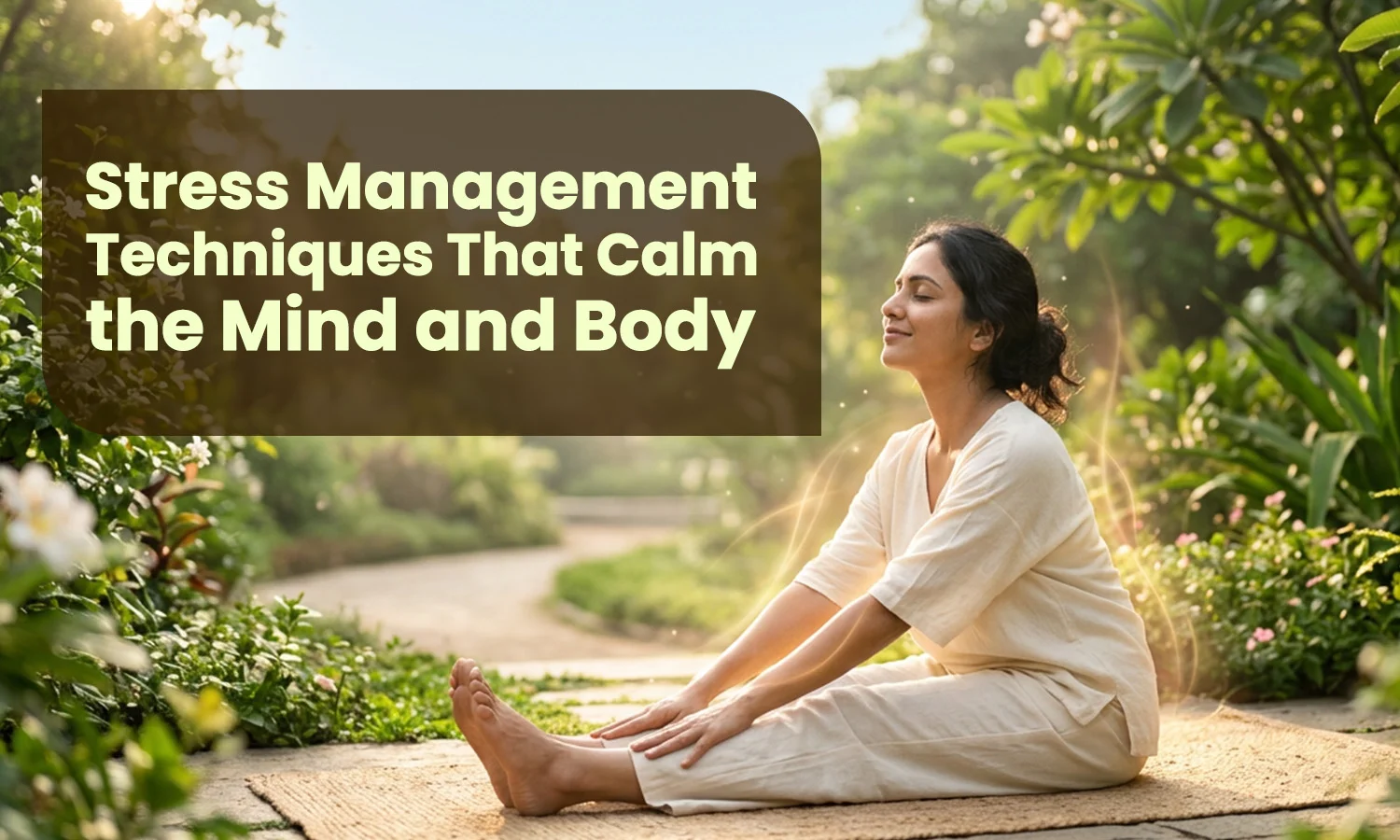
Stress in short bursts is helpful. It sharpens focus and speeds your response when you face real danger. The trouble starts when the stress response fires all day at problems that are not life threatening, many of them created in your own mind. That constant activation wears down both body and brain. The right stress management techniques can break this cycle. This article explains how stress affects you, why it matters for long term health, and which stress management techniques actually work.
Why You Need Stress Management Techniques
When you feel fear, your breathing speeds up, which is useful because it makes your response faster and more instinctive. But reacting this way to every minor stress harms your logical and cognitive thinking.
Fast, shallow breathing lowers oxygen and raises carbon dioxide in the blood, making it more acidic, which tightens muscles and leaves you irritable and anxious. Good stress management techniques reverse this chain and restore calm.
How Emotional Stress Affects the Brain
Emotional stress is not only uncomfortable, it is physically costly. Researchers have linked chronic high cortisol to a smaller hippocampus, the brain’s memory centre, and to faster decline in people with Alzheimer’s disease.
Sustained stress also promotes high blood pressure and unhealthy cholesterol. This is why stress reduction is an investment in your future, not just a way to feel better today. Managing emotional stress protects the brain you will rely on for decades.
Breathing as the Fastest Stress Relief
Breath is the quickest tool for stress relief. Slow, deep nasal breathing activates the parasympathetic nervous system, the body’s rest and recovery mode, and increases the intake of oxygen that the brain needs to think clearly.
Try breathing in slowly through the nose to a count of four, letting your stomach expand like a balloon, then releasing the air to a count of four. A few of these breaths before a meeting or a hard conversation deliver real anxiety control.
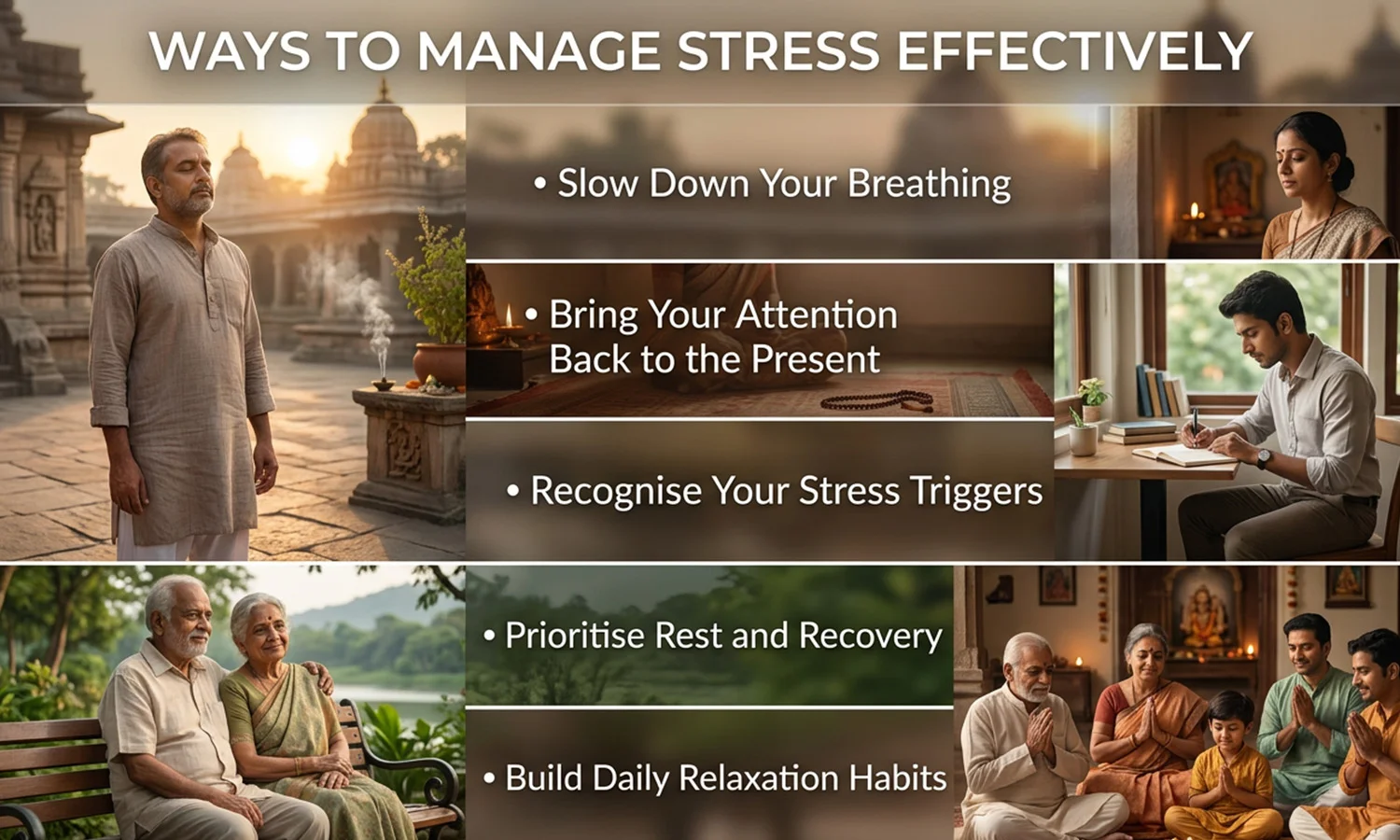
Relaxation Techniques for Everyday Mental Peace
Beyond breathing, several relaxation techniques help you reset. Observing your thoughts without grabbing them, taking a different route to work and noticing your surroundings, and cooking with attention to the senses all pull you into the present.
These relaxation techniques build mental peace gradually. They teach the nervous system that you are safe, which lowers the baseline of emotional stress over time. Small daily practices add up to steady calm.
Turning Stress Reduction Into More Time and Focus
When stress drops, something useful happens. You gain time and energy, your productivity rises, and problems start to look like opportunities rather than threats. This is the hidden payoff of consistent stress reduction.
Choose a few stress management techniques you will actually use, practice them daily, and protect that time. With steady effort, anxiety control becomes your default, and mental peace stops feeling out of reach.
Spotting Your Stress Signals Early
Stress is easier to manage when you catch it early. Common signals include shallow breathing, tight shoulders, a racing mind, and irritability. These are the body’s way of telling you the stress response has switched on.
Learning your personal signals is one of the most useful stress management techniques. The sooner you notice emotional stress rising, the sooner you can apply a reset and prevent a small tension from becoming a long day of strain.
Movement and Sleep for Stress Reduction
Two of the strongest stress management techniques are also the most overlooked. Regular movement burns off stress hormones and lifts mood, while consistent sleep restores the brain and steadies emotion.
Protecting your sleep is a serious form of stress reduction, because poor rest raises sensitivity to stress the next day. A short daily walk and a steady bedtime do more for mental peace than most people expect.
A Two Minute Reset You Can Use Anywhere
When stress spikes, try this quick relaxation technique. Breathe in slowly through the nose to a count of four, letting the stomach expand, then breathe out to a count of four. Repeat for about two minutes.
This simple practice activates the body’s rest response and delivers fast anxiety control. Keep a few stress management techniques like this ready, and you will always have a tool for mental peace within reach.
Building a Personal Stress Management Plan
Generic advice helps less than a plan shaped around your own life. Start by listing the situations that reliably raise your emotional stress, such as a tense meeting, a crowded commute, or a difficult conversation. Once you can predict these moments, you can prepare for them, which is the heart of effective stress management techniques.
For each trigger, choose one tool you can use on the spot. Slow breathing is the fastest form of stress relief because it calms the nervous system within a minute. For longer term mental peace, build in regular movement, steady sleep, and short breaks that let your mind reset. These relaxation techniques work best when they are routine rather than reserved for crisis moments.
Review your plan each week and adjust what is not working. Stress reduction is not about removing every pressure, which is impossible, but about responding to pressure with skill. As your responses improve, you gain time and focus, and problems begin to feel more like challenges you can meet.
Frequently Asked Questions About Stress Management Techniques
What Are the Most Effective Stress Management Techniques?
Effective stress management techniques include slow breathing, regular movement, steady sleep, and short breaks. Slow breathing is the fastest form of stress relief, while routine relaxation techniques build lasting mental peace and support real anxiety control.
What Is the Fastest Way to Relieve Stress?
The fastest stress relief is slow, deep breathing, which calms the nervous system within about a minute. This simple relaxation technique lowers emotional stress on the spot and is one of the most practical stress management techniques you can use anywhere.
How Does Stress Affect the Brain?
Ongoing emotional stress raises cortisol, which over time can harm brain regions tied to memory and focus. This is why stress reduction matters. Regular relaxation techniques protect the brain and support both anxiety control and mental peace.
What Relaxation Techniques Help With Anxiety Control?
Helpful relaxation techniques for anxiety control include slow breathing, gentle movement, and brief mindful pauses. Practised regularly rather than only in a crisis, these stress management techniques lower emotional stress and build steady mental peace.
Take the Next Step
Lasting calm is easier to build with steady guidance and a plan that fits your life. If you would like support with stress management techniques, visit https://coachingwithgeeta.com/book-a-session/ to learn more and book a session. This article is for general information and is not a substitute for medical advice.