The fastest way to improve any relationship is also the simplest. Listen without trying to win. Empathy and relationships are deeply connected, because empathy is the ability to understand how another person feels by stepping into their place. When you truly listen, trust grows, conflict softens, and both people feel seen. This article explores how empathy and relationships strengthen each other, why most of us react instead of connect, and how to build the empathy skills that transform your personal and working life.
What Empathy and Relationships Really Require
Empathy is the ability to understand how another person thinks or feels. It asks you to listen without judging and to deepen your listening skills, because real listening means hearing without interfering.
This is the foundation of empathy and relationships. When you listen this way, you build trust, and trust is the ground on which every healthy relationship stands. Empathy is less about agreeing and more about understanding.
Why We React Instead of Connect
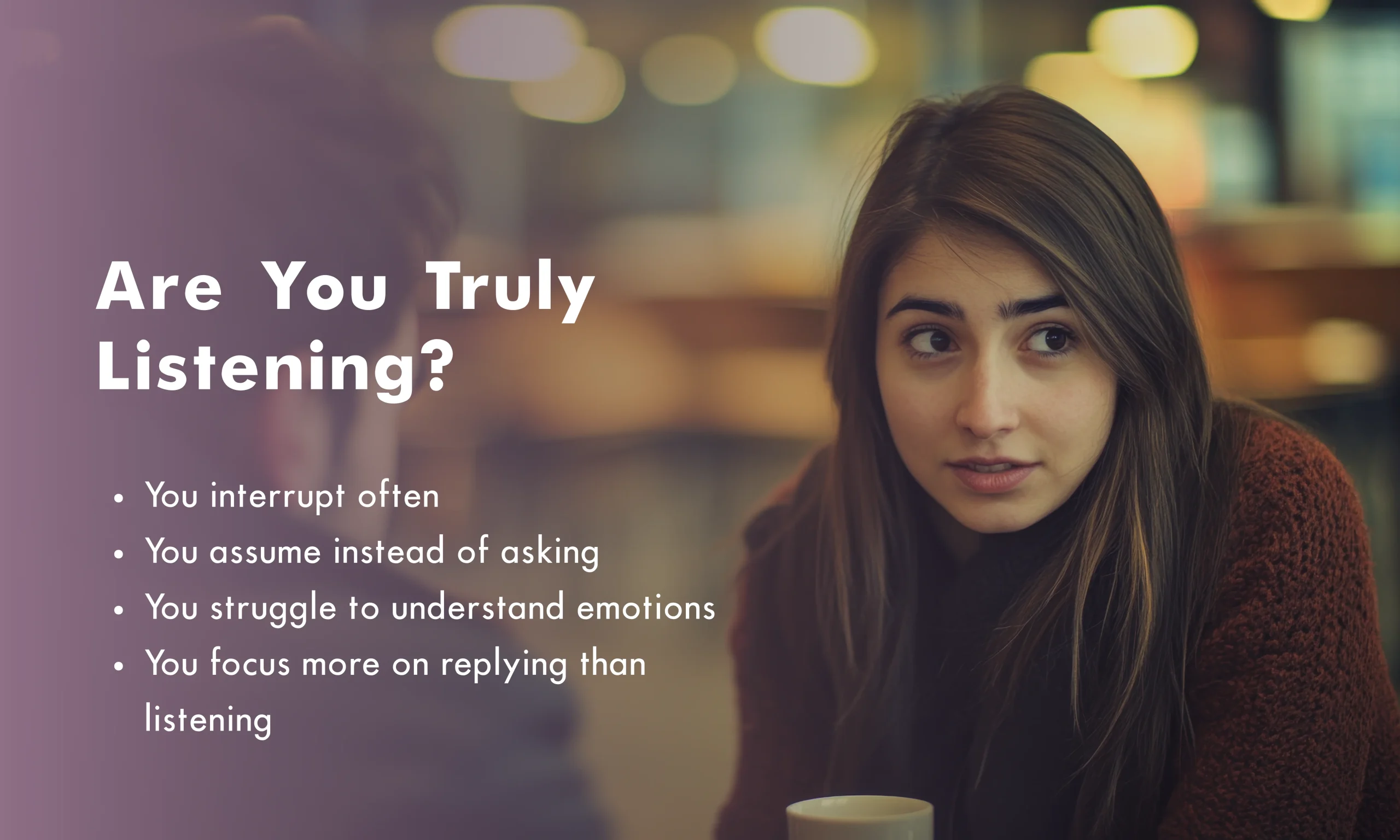
Most people react because they only see things from their own perspective, whether at work or at home. That narrow view turns small differences into conflicts and keeps relationships stuck in the same arguments.
With empathy, you can be more proactive and see the need to change from another point of view. This shift from reacting to understanding is where genuine emotional connection begins, and it helps everyone involved grow.
Active Listening as a Daily Practice
Active listening means giving your full attention without planning your reply. Imagine simply listening to people talk, no matter how they make you feel, and being a calm, reassuring presence for them.
This kind of presence is a skill you can practice. Slowing your breath and observing your own reactions helps you stay open rather than defensive. Active listening is the most practical of all empathy skills.
How Empathy Improves Health and Communication
Empathy and relationships have effects that reach beyond the conversation. When you connect well at home or at work, you appreciate others’ points of view without necessarily agreeing, and relationships become more peaceful and harmonious.
That harmony has a real impact on health. It promotes good mental and physical wellbeing, better eating and sleep, and lower stress. Communication improvement, it turns out, is good for the body as well as the heart.
Trust Building That Lasts
Trust building is gradual. It grows each time you listen fully, respond with care, and follow through. As trust deepens, people share more openly, and the emotional connection between you strengthens.
Empathy and relationships reward consistent practice. Keep listening without judgment, keep seeing the other view, and your healthy relationships will continue to grow. Empathy skills, once built, improve almost every part of life.
Empathy at Work and at Home
Empathy and relationships improve in every setting once you stop reacting from your own viewpoint alone. At work, understanding a colleague’s pressure changes how you respond to friction. At home, hearing the feeling behind the words softens conflict before it grows.
In both places, the same skill applies. When you see the situation from another point of view, you become more proactive and less defensive. That shift is where emotional connection and communication improvement begin.
Empathy Is Understanding, Not Always Agreement
A common worry is that empathy means giving in. It does not. You can understand and appreciate another person’s point of view without necessarily agreeing with it.
This distinction keeps empathy honest. Empathy and relationships do not require you to abandon your own needs. They ask you to listen fully and respond with care, which builds healthy relationships even when you disagree.
Small Daily Habits That Build Trust
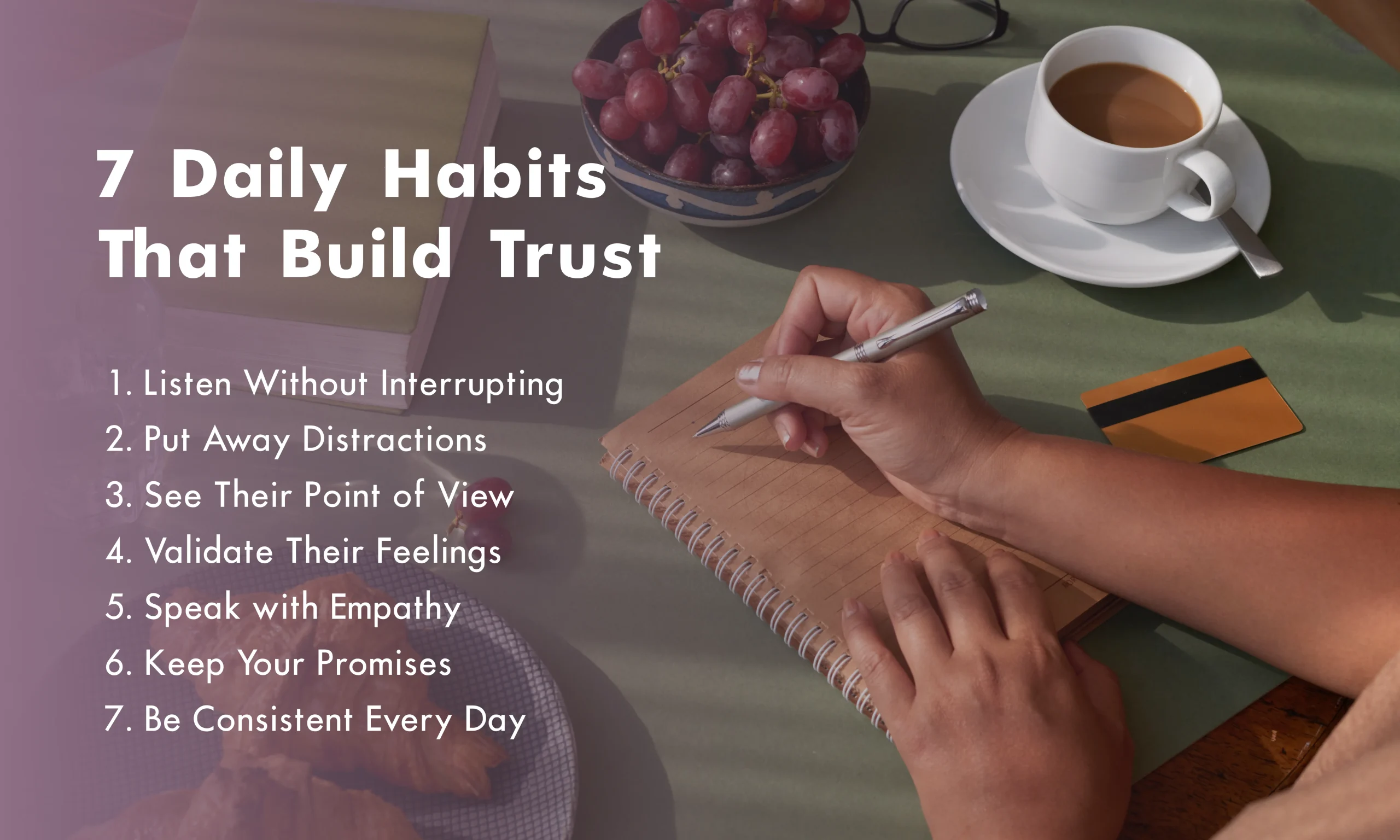
Trust building happens in small moments. Put your phone away when someone speaks. Reflect back what you heard before replying. Follow through on what you promised, however minor.
These habits make active listening a daily practice rather than an occasional effort. Over time they deepen the emotional connection between you, and the harmony that follows supports better health, lower stress, and stronger empathy skills.
Practicing Empathy When You Disagree
The hardest test of empathy comes during conflict, when your instinct is to defend your view. In these moments, empathy and relationships are strengthened not by winning the argument but by truly hearing the other person first. You can understand someone’s feelings without giving up your own position, and that understanding often lowers the tension enough for a real conversation to begin.
Active listening is the tool that makes this possible. It means letting the other person finish, reflecting back what you heard, and asking a question before you respond. This simple practice signals respect and builds emotional connection, even when the two of you see things differently. People relax when they feel heard, and a relaxed conversation is far more likely to reach a solution.
Over time, these habits create trust building that lasts. Trust grows from many small moments of feeling understood, not from grand gestures. As trust deepens, communication improvement follows naturally, because both people feel safe enough to be honest.
Empathy also protects your own wellbeing. Calmer, more connected relationships reduce stress and support better health, which is why empathy skills are worth practicing daily at home and at work. The change is gradual, but it leads to steadier and more harmonious relationships.
Frequently Asked Questions
Why Is Empathy Important in Relationships?
Empathy and relationships are deeply linked, because understanding another person’s feelings creates emotional connection and reduces conflict. Strong empathy skills help people feel heard, which is the foundation of healthy relationships and lasting trust building.
How Can I Improve My Empathy Skills?
Improve your empathy skills by listening fully before responding and imagining how the other person feels. This active listening builds emotional connection and supports communication improvement, strengthening empathy and relationships over time.
What Is Active Listening and How Does It Help?
Active listening means letting someone finish, reflecting back what you heard, and asking a question before you reply. It signals respect, deepens emotional connection, and drives the communication improvement that healthy relationships depend on.
How Do You Build Trust in a Relationship?
Trust building grows from many small moments of feeling understood, not grand gestures. Consistent active listening and honest, caring responses strengthen empathy and relationships, creating the safety that healthy relationships need to last.
Take the Next Step
Stronger empathy and relationships often grow faster with supportive guidance. If you would like help deepening your connections, visit https://coachingwithgeeta.com/book-a-session/ to learn more and book a session.