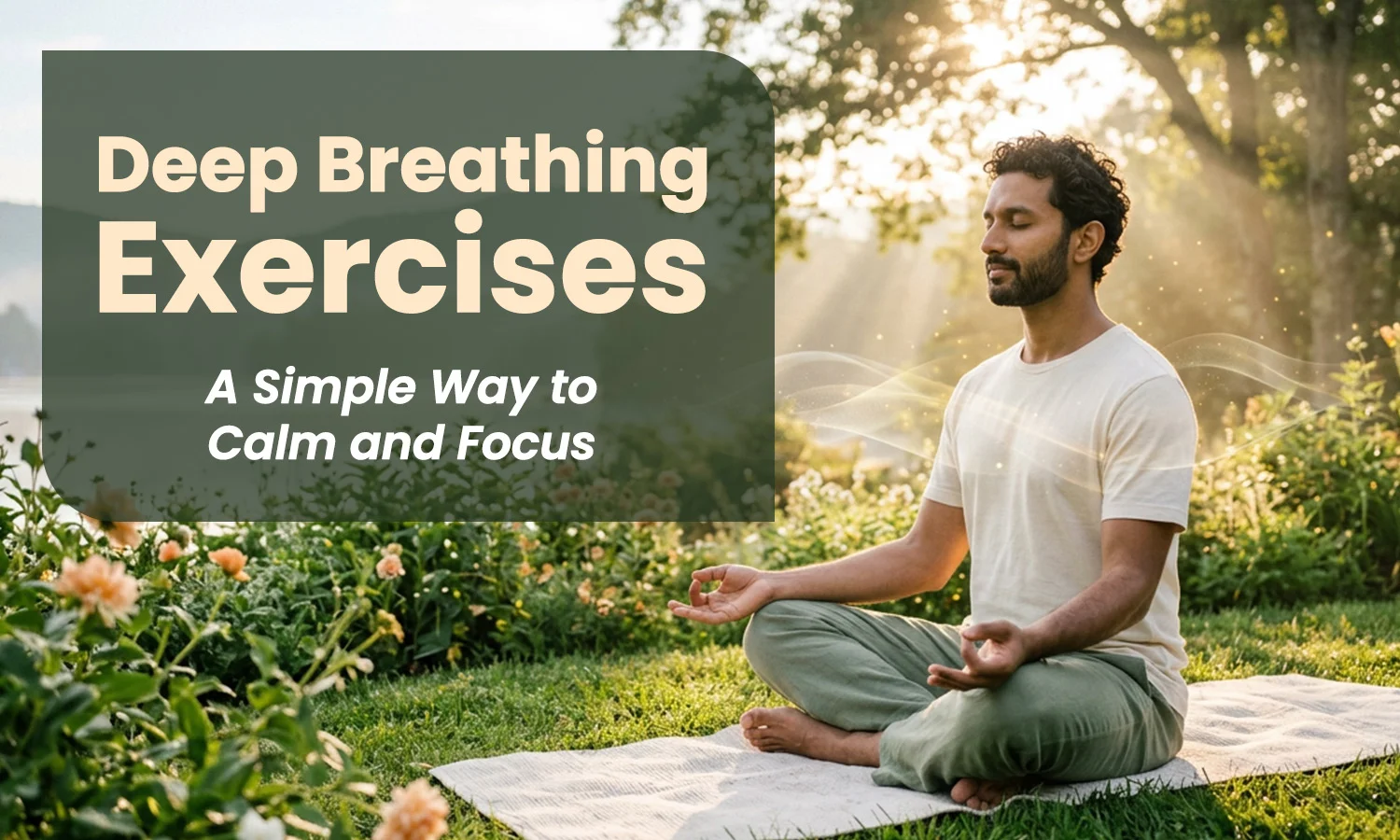
The fastest way to change your inner state is also the most overlooked. It is your breath. Most people breathe in shallow sips that barely move the chest, let alone the stomach. Deep breathing exercises reverse this and switch the body into a calmer, clearer mode within moments. Best of all, they are free, portable, and available at any age. This article explains how deep breathing exercises work, what science says about their effect on the brain, and exactly how to practice them.
What Deep Breathing Exercises Do for the Brain
Researchers at Northwestern University, led by Christina Zelano, discovered that the rhythm of breathing creates electrical activity in the amygdala, hippocampus, and olfactory cortex. These limbic regions control emotion, memory, and learning, and the effect was strongest with nasal breathing.
This is why deep breathing exercises influence how you feel and what you remember. By guiding the breath consciously, you gently shape the brain activity that drives your mood and recall.
Breathing Techniques That Switch On Calm
When you are afraid, fast breathing lowers oxygen and raises carbon dioxide, turning the blood slightly acidic and leaving you tense and irritable. Slow breathing techniques do the opposite, increasing oxygen flow and calming the body.
Deep, slow breaths activate the parasympathetic nervous system, the body’s rest and recovery mode. This nervous system regulation is what shifts you out of fight or flight and into a state where clear thinking is possible.
How to Practice the Core Deep Breathing Exercise
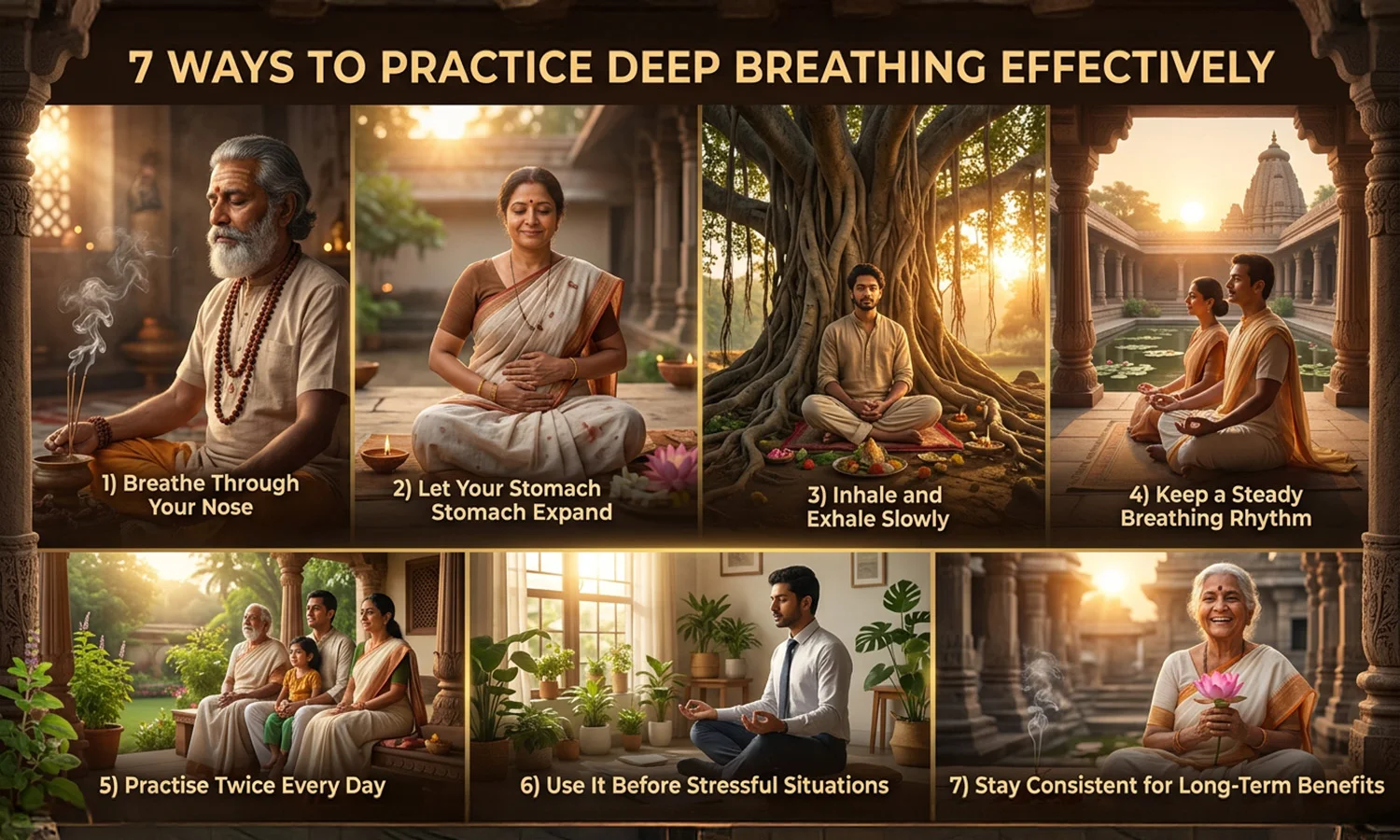
Sit comfortably with your back straight. Breathe in slowly through your nostrils to a count of four, imagining your stomach as a balloon filling with fresh air while your chest expands at the same time. Place a hand on your stomach to feel it rise.
Then breathe out through the nostrils to a count of four, feeling the air leave your chest and then your stomach until both are empty. This is the foundation of effective deep breathing exercises, and the steady rhythm is the source of calm breathing.
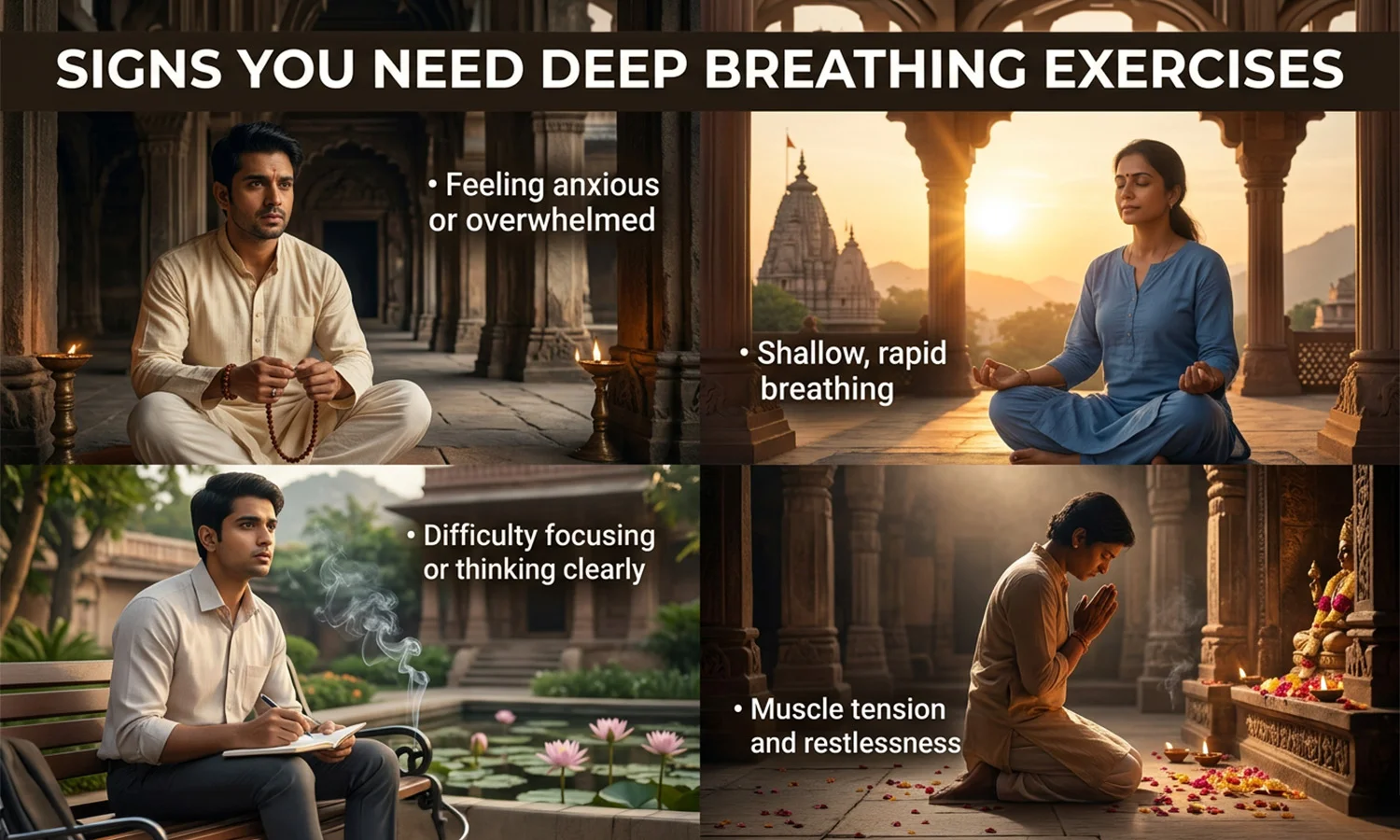
The Deep Breathing Benefits You Can Feel
Practiced regularly, this breathing grounds your thoughts and enhances cognitive thinking, so your actions become more rational. A few slow breaths before a meeting or a difficult moment help you feel calmer and more collected.
The deep breathing benefits extend to memory too. Deep, controlled breath has been shown to improve working memory, which makes mindful breathing a useful habit before studying, an interview, or a presentation.
Building a Daily Breathing Habit
Aim for about ten minutes in the morning and ten minutes in the evening. With practice, this breathing becomes as automatic as walking, settling into the part of your nervous system that runs without conscious effort.
You can begin at any age, and the long term rewards are real. Treat deep breathing exercises as a daily anchor, combine them with other relaxation techniques, and you build a reliable tool for calm, focus, and steady oxygen flow to the brain.
Why Nasal Breathing Matters More Than Mouth Breathing
The Northwestern University research found that the brain effects of breathing were strongest during nasal breathing and faded when people breathed through the mouth. The nose, it seems, helps synchronise activity across the limbic regions tied to emotion and memory.
This is why effective deep breathing exercises emphasise slow breaths through the nostrils. Calm breathing through the nose supports better nervous system regulation than rushed mouth breathing, and it improves the steady oxygen flow the brain depends on.
Deep Breathing for Sleep and Focus Tasks
Deep breathing exercises are useful at specific moments. Before sleep, slow breaths quiet the mind and ease the body toward rest. Before a focus task such as studying or a presentation, a few deep breaths ground your thoughts and sharpen attention.
Because deep, controlled breath has been shown to improve working memory, mindful breathing is a smart warm up before anything that demands concentration. The deep breathing benefits show up exactly when you need a clear head.
Common Mistakes in Deep Breathing
The most common error is breathing only into the chest. Most people take shallow breaths that barely move the stomach. Effective breathing techniques fill the stomach first, like a balloon, then expand the chest.
Another mistake is rushing. The calm comes from the slow, even rhythm, not from forcing big breaths. Practice deep breathing exercises gently, place a hand on your stomach to feel it rise, and let the steady pace do the work.
Fitting Deep Breathing Exercises Into a Real Schedule
The best breathing practice is the one you actually do, so it helps to attach it to moments that already exist in your day. A few slow breaths before you start the car, during a short break, or before sleep can fold deep breathing exercises into your routine without adding pressure. Consistency matters far more than long sessions.
Aim for two short blocks, around ten minutes in the morning and ten minutes in the evening. In each block, use slow nasal breathing to the count of four, letting the stomach rise like a balloon and then empty fully. These calm breathing patterns support nervous system regulation and steady oxygen flow, which together leave you more alert and less reactive.
Over a few weeks, the practice begins to feel automatic, much like walking. At that point the deep breathing benefits extend beyond the practice itself, showing up as a steadier mood and clearer focus during ordinary tasks. Like any of the simplest relaxation techniques, the value comes from repetition.
Frequently Asked Questions
How Do Deep Breathing Exercises Calm the Body?
Deep breathing exercises calm the body by activating the part of the nervous system that controls rest. Slow, calm breathing signals safety to the brain, which supports nervous system regulation and lowers stress within minutes.
What Is the Correct Way to Do Deep Breathing?
Breathe in slowly through the nose to a count of four, letting the stomach rise like a balloon, then breathe out fully. These simple breathing techniques improve oxygen flow and deliver the deep breathing benefits of a calmer, clearer mind.
Is Nasal Breathing Better Than Mouth Breathing?
Research suggests nasal breathing supports memory and focus more than mouth breathing. Breathing in through the nose during mindful breathing aids nervous system regulation, which is why most deep breathing exercises use slow nasal breaths.
How Long Should I Practice Deep Breathing Each Day?
Two short blocks of around ten minutes, morning and evening, work well. With repetition these breathing techniques feel automatic, and the deep breathing benefits, including calm breathing and steady focus, extend into your everyday tasks.
Take the Next Step
Building a daily breathing practice is easier with steady guidance. If you would like support creating a routine that sticks, visit https://coachingwithgeeta.com/book-a-session/ to learn more and book a session.