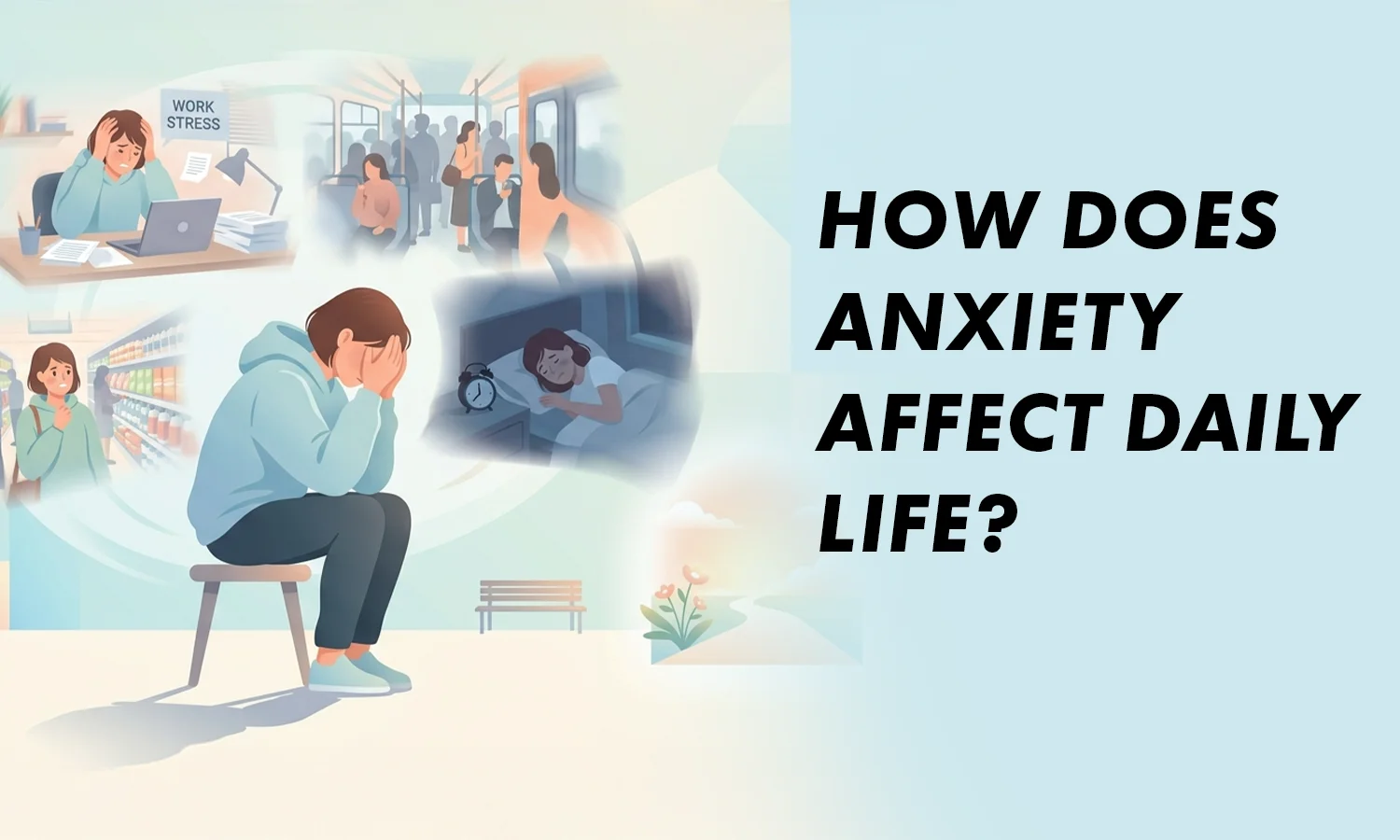
Many people wonder, does anxiety affect daily life in ways that go beyond occasional worry or stress. Anxiety is a natural response to challenging situations, but when it becomes persistent, it can start interfering with everyday activities, relationships, and overall well-being.
Understanding how anxiety affects daily life is important because long-term anxiety can influence both mental and physical health. When people begin to ask if anxiety affects daily life, they often realize that anxiety can impact productivity, emotions, and physical health more than they initially expected.
Understanding Anxiety and Its Impact on Daily Life
To understand if anxiety affects daily life, it is important to recognize that anxiety is more than temporary stress. It is a condition that can influence how people think, feel, and behave.
People experiencing symptoms of anxiety disorder often struggle with excessive worry, restlessness, difficulty concentrating, and persistent fear about everyday situations. These symptoms can affect productivity, decision-making, and emotional stability.
One of the most noticeable effects of anxiety on mental health is constant mental fatigue. When the brain is always focused on potential threats or worries, it becomes difficult to stay present and enjoy daily experiences. Understanding How Anxiety Affects Daily Life helps individuals realize that anxiety is not simply a personality trait but a condition that deserves attention and proper care.
Can A Person With Anxiety Live A Normal Life?
Many people ask if anxiety affects daily life so severely that living normally becomes difficult. The truth is that many individuals with anxiety continue to lead fulfilling and productive lives.
Learning effective anxiety coping strategies can make a significant difference in managing symptoms. Techniques such as mindfulness, breathing exercises, therapy, and supportive relationships help individuals regain emotional balance.
Although anxiety can create temporary challenges, people who actively work on managing their mental health can still pursue careers, maintain relationships, and achieve personal goals even when anxiety affects daily life.
What Are The Effects Of Anxiety On The Body?
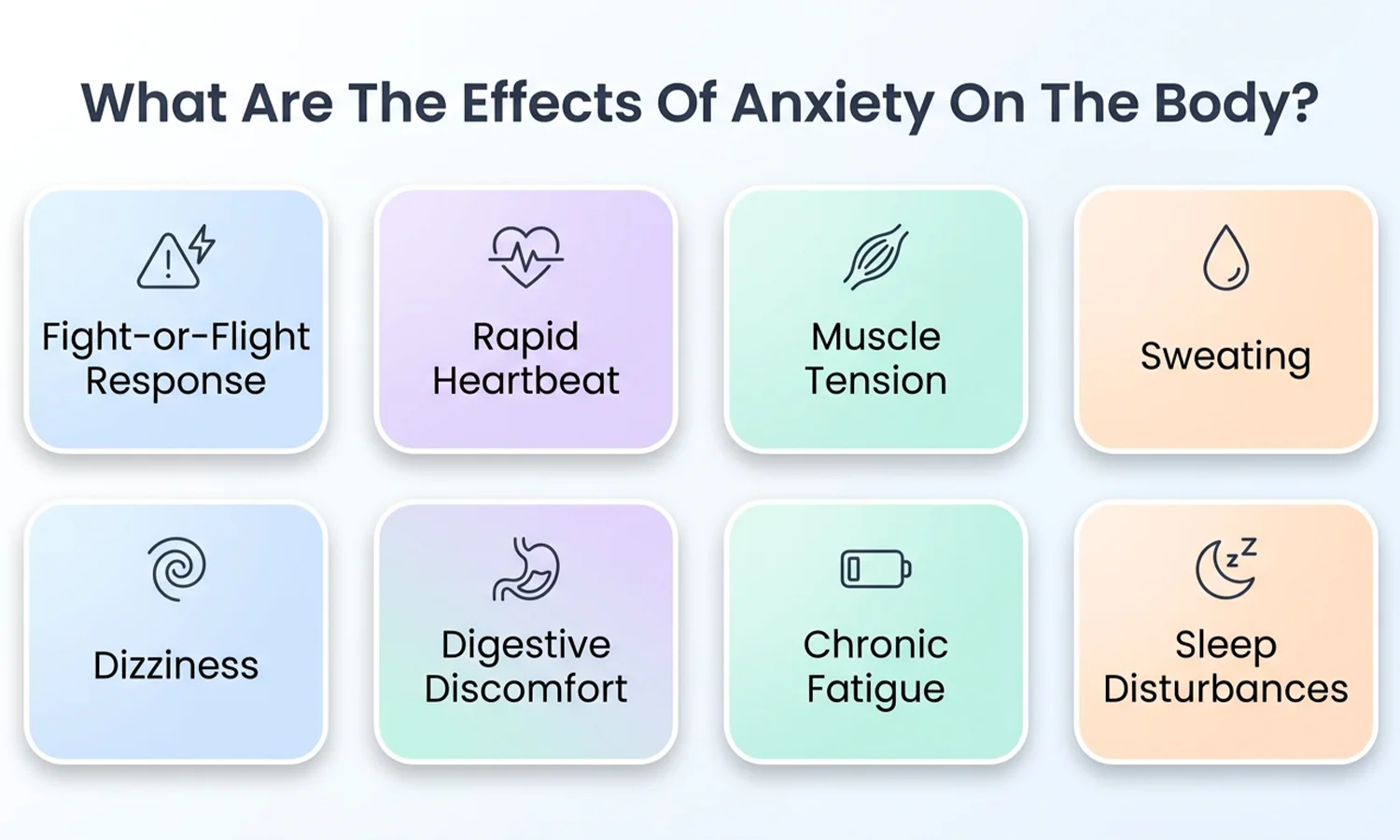
Another important way anxiety affects daily life is through physical health. Anxiety activates the body’s fight-or-flight response, preparing the body to react to perceived threats.
This response can lead to several physical symptoms of anxiety, including rapid heartbeat, muscle tension, sweating, dizziness, and digestive discomfort.
When anxiety persists for long periods, it may contribute to the long-term effects of anxiety, such as chronic fatigue, sleep disturbances, weakened immunity, and headaches. These physical reactions clearly show that anxiety affects daily life not only emotionally but also physically.
What Is The Root Cause Of Anxiety?
Understanding the causes behind anxiety helps answer the question: does anxiety affect daily life for so many individuals? Anxiety rarely develops from a single cause and usually results from a combination of biological, psychological, and environmental factors.
Genetics may play a role, as anxiety disorders sometimes run in families. Brain chemistry can also contribute when neurotransmitters responsible for mood regulation become imbalanced.
Life experiences such as trauma, stressful environments, or long-term pressure can also trigger anxiety. Recognizing these causes helps people understand if anxiety affects daily life differently for every individual.
Also Read: Types of Fear: How They Shape Our Behaviour and Decision-Making
How Do You Fix Anxiety Problems?
When people start noticing that anxiety affects daily life, they often begin searching for ways to manage it effectively. Although anxiety may not disappear overnight, several strategies can help reduce its impact.
One helpful method is learning how to calm anxiety naturally through practices such as meditation, deep breathing, and physical activity. These techniques help regulate the nervous system and reduce stress responses.
Therapy, particularly Cognitive Behavioral Therapy (CBT), is widely recommended because it helps individuals identify negative thought patterns and replace them with healthier perspectives.
Lifestyle adjustments such as better sleep habits, balanced nutrition, and limiting caffeine can also support emotional stability and reduce the impact of anxiety affecting daily life over time.
Conclusion
Understanding how anxiety affects daily life is an important step toward improving emotional well-being and overall quality of life. Anxiety can influence work performance, relationships, and physical health, but awareness and proper coping methods can help people regain control.
Practicing self-care, developing healthy coping techniques, and seeking guidance when needed can make a significant difference in managing anxiety effectively.
For readers interested in exploring deeper insights into emotional awareness and personal growth, the book The Game of Change by Geeta Ramakrishnan offers meaningful reflections on understanding thoughts, emotions, and life challenges. The book encourages readers to observe their mental patterns and develop healthier ways of responding to stress and anxiety in everyday life.
FAQs
Yes. Many people with anxiety live long and healthy lives. With proper care, lifestyle adjustments, and emotional support, anxiety can be effectively managed.
Yes, anxiety disorders are classified as mental health conditions that involve persistent worry and fear that interfere with daily life.
Yes. With therapy, coping strategies, and consistent self-care, many individuals recover emotional balance and feel normal again after anxiety.