Learning how to overcome fear of failure means changing your relationship with mistakes so they no longer hold you back. This fear is common, deeply human, and very workable. With self-awareness, gentle reframing, and steady action, you can turn the fear of falling short into fuel for real growth.
Fear of failure can be quiet yet powerful. It shows up as procrastination, perfectionism, and the safe choice you make to avoid any risk of falling short. You want to grow, and something inside keeps pulling you back. If this feels familiar, you are already on the path to learning how to overcome fear of failure.
The encouraging truth is that this fear is not a permanent trait. It is a pattern of thought, and patterns can change. Understanding how to overcome fear of failure begins with seeing where the fear comes from.
Understanding the Fear of Failure
In psychology, an intense fear of failure is called Atychiphobia. It describes a persistent dread of falling short that can stop people from trying at all. When people search for what this fear of failure is called, they are often relieved to learn it is a recognised and treatable pattern. It sits within a broader family of fears, see this overview of common types of fear to understand how they connect.
The atychiphobia meaning points to more than ordinary nerves. This describes a fear strong enough to shape decisions and limit potential. In its stronger forms, a fear of failure phobia can trigger real anxiety before a challenge, and that same fear of failure phobia may lead to avoidance that quietly narrows your life over time.
Why We Fear Losing and Falling Short
At the root of this struggle is often a deep fear of being unsuccessful in the eyes of others. We worry about judgement, disappointment, and what a setback might say about our worth. This fear of being unsuccessful can feel especially heavy for high achievers and those carrying big responsibilities. It often overlaps with the fear of rejection, since both stem from a worry about how others perceive us.
Closely tied to it is the fear of losing, meaning the loss of status, approval, or a sense of control. This fear of losing often grows from a broader fear of uncertainty, since the mind dislikes outcomes it cannot predict. When you cannot guarantee success, that fear of uncertainty whispers that it is safer not to try at all.
How to Overcome Fear of Failure
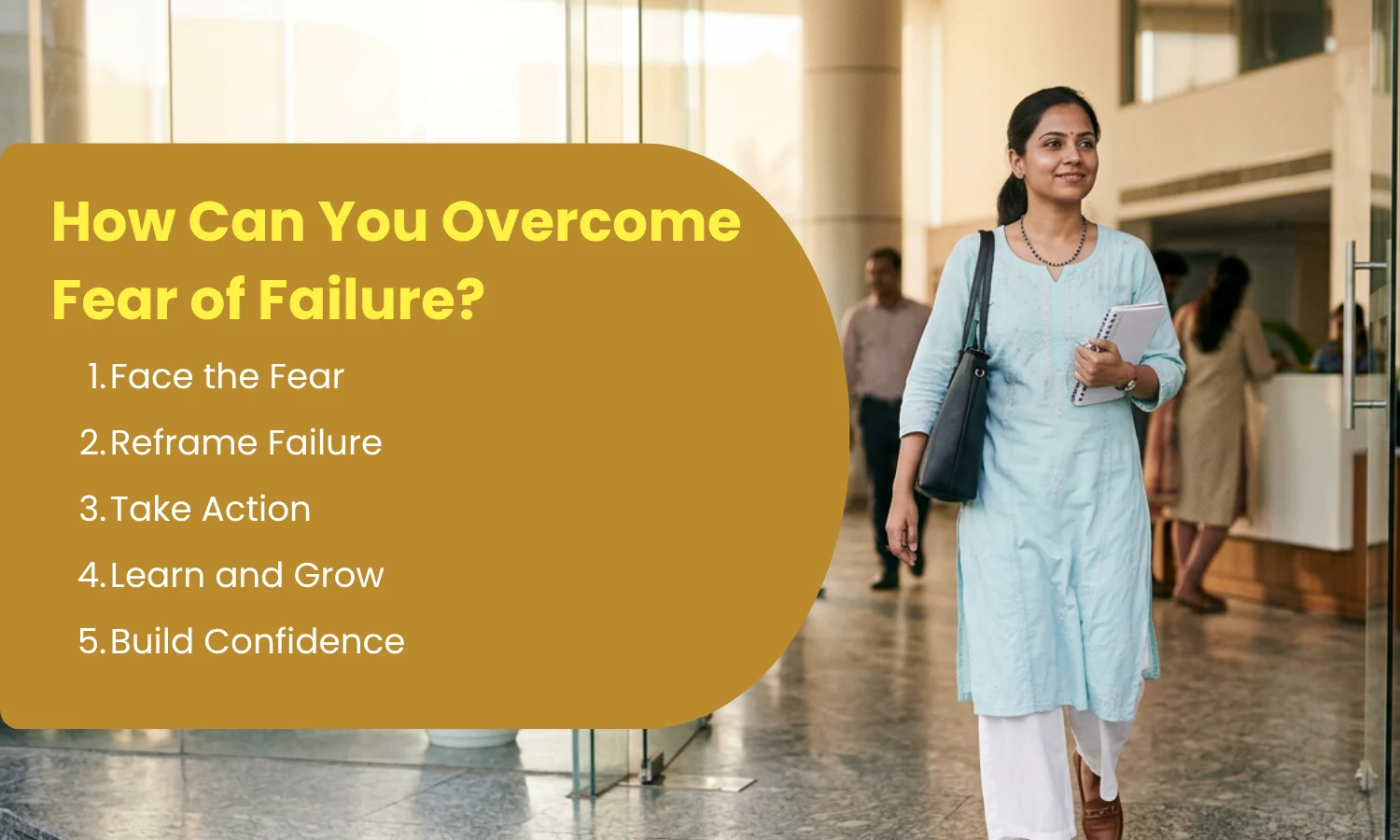
Real change begins with a shift in meaning. Learning how to deal with fear of failure starts by treating mistakes as information rather than verdicts. Every setback carries a lesson, and reframing failure as feedback loosens its grip.
Next comes gentle action. Learning how to control fear means taking small, brave steps despite the discomfort, which teaches your mind that risk is survivable. Practising how to control fear in this way slowly rebuilds confidence. Alongside this, how to deal with fear of failure also involves self-compassion, since a kinder inner voice makes courage far easier to find. Together these habits are the heart of how to overcome fear of failure for good.
Turning Fear into Fuel
Fear does not have to be your enemy. When you understand it, the same energy that once held you back can push you forward. Each small act of courage widens your comfort zone and proves that you are more capable than the fear suggested.
Over time, learning how to overcome fear of failure transforms how you approach goals, work, and relationships. You begin to act from possibility rather than protection, and that shift changes everything.
Step Into Courage with Coach Geeta
Facing a lifelong fear is deep work, and guidance makes the path far lighter. At Coach Geeta, founder and ontological coach Geeta Ramakrishnan, author of the Amazon bestselling book The Game of Change, helps people replace limiting beliefs with courage, resilience, and self-belief.
If fear has been keeping you from the goals and career you truly want, this is your moment to change that story. Book a coaching conversation with Coach Geeta today and take the first step toward bolder decisions, stronger confidence, and a more purposeful, fulfilling life. Your potential is bigger than your fear, and the courage to claim it is well within your reach.
Key Takeaways
- Learning how to overcome fear of failure starts with seeing mistakes as feedback, not verdicts.
- The clinical term for intense fear of failure is Atychiphobia, a recognised and workable pattern.
- The fear often grows from a fear of being unsuccessful and a deeper discomfort with uncertainty.
- Small, brave actions retrain the mind to see risk as survivable and confidence as buildable.
- Self-compassion and steady support turn fear into fuel for real, lasting growth.
Your Courage Is Waiting
Fear of failure is not a sign that you are weak, it is a sign that something matters to you. Learning how to overcome fear of failure lets you honour that meaning while refusing to be ruled by fear. Be patient with yourself, celebrate every brave step, and remember that steady support can make courage feel far more within reach.
Frequently Asked Questions
How to overcome fear of failure when it feels paralysing?
Start small. Learning how to overcome fear of failure means taking one brave step at a time and treating each setback as a lesson. Reframe mistakes as feedback and speak to yourself with kindness. With practice, and support when needed, courage gradually replaces the paralysis.
What is the fear of failure called in psychology?
The intense fear of failure is called atychiphobia. It describes a persistent dread of falling short that can lead to avoidance and anxiety. Understanding that it has a name, and is a recognised pattern, often brings relief and makes it easier to address with the right tools.
How do I control fear before an important challenge?
Learning how to control fear means calming the body first with slow breathing, then reframing the challenge as a chance to grow rather than a test of worth. Preparing well and taking small steps builds confidence. Over time, this makes how to overcome fear of failure feel natural.
Can coaching help with fear of failure?
Yes, coaching helps you uncover the beliefs behind your fear and build practical tools to move past them. A skilled coach offers structure, encouragement, and accountability. Many people find that guided support is what finally teaches them how to deal with fear of failure and act with confidence.