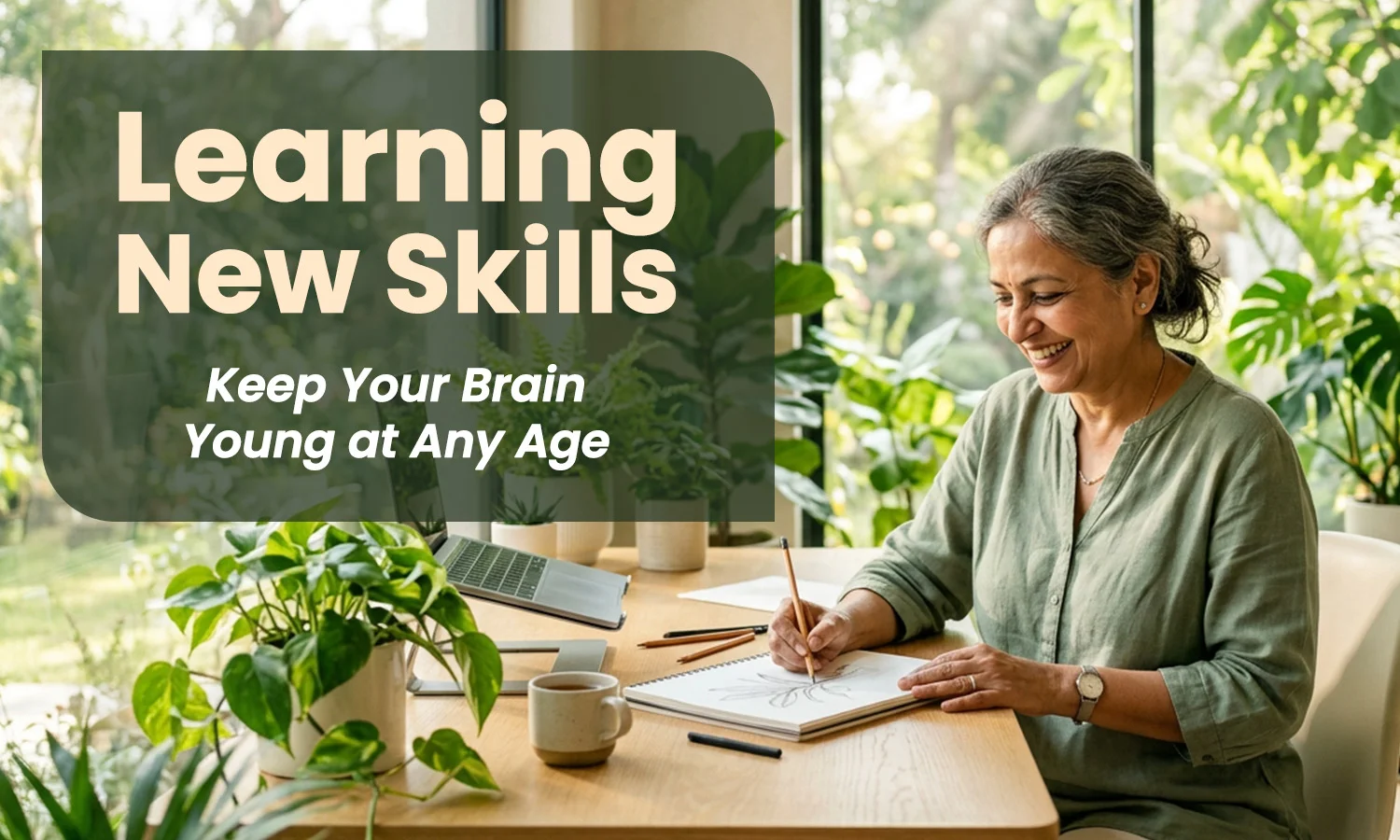
You are never too old to learn something new, and your brain will thank you for trying. Learning new skills fires and activates different parts of the brain, building fresh neural connections that keep the mind agile. You do not have to become an expert. The act of learning itself is the reward. This article explains why learning new skills matters for brain health, what neuroscience reveals, and how to make skill development a natural part of your life at any age.
Why Learning New Skills Keeps the Brain Sharp
Each new skill activates different parts of the brain and forms new pathways. Whether it is learning to sing, humming a few favourite songs, or trying a game such as Mah-jong, the novelty itself is valuable brain exercise.
You need not be the best at any of it. The point is that learning new skills gives the brain something fresh to work on, and that mental stimulation is what keeps it young and flexible.
The Neuroscience of Skill Development
Research on neuroplasticity shows the brain can adapt in structure and function throughout life. Mayo Clinic experts confirm you can retrain your brain and pick up new abilities no matter your age, which is the biological basis of skill development.
Dr. Carol Dweck of Stanford University adds that neural connections deepen when you make mistakes and learn from them. So the stumbles of learning new skills are not obstacles, they are exactly how cognitive growth happens.
Lifelong Learning Has No Age Limit
The story of Fauja Singh proves the point. The British Sikh runner took up the sport in his late eighties after losing his wife and son, and in 2011, at the age of one hundred, he became the first centenarian on record to complete a marathon in Toronto.
His example shows that lifelong learning and physical achievement are possible far later than most people assume. Whether the new skill is mental or physical, the door stays open. Learning new skills is a lifelong invitation.
Simple Brain Exercise You Can Start Today
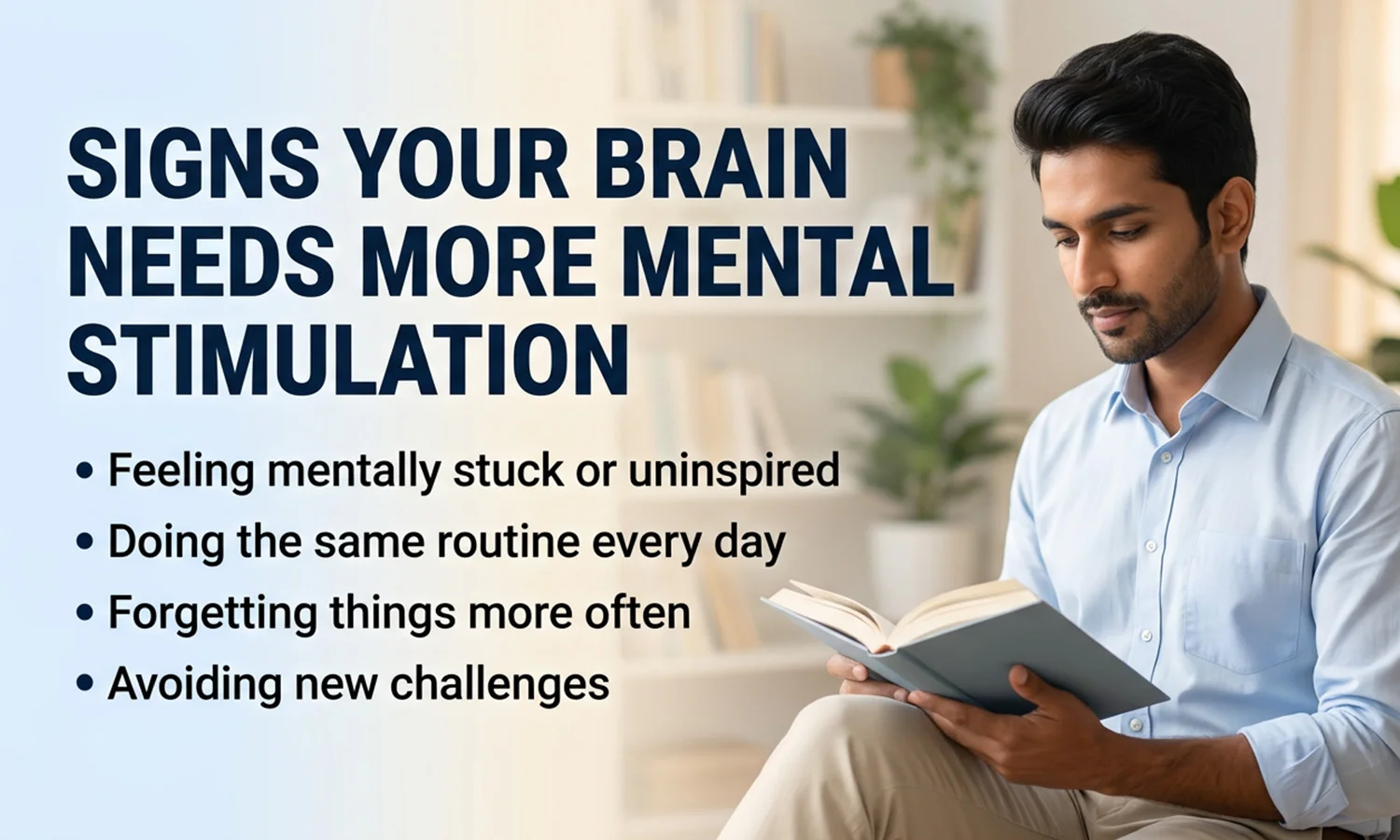
You can begin with tiny challenges. Try brushing your teeth with your non dominant hand, which forces the brain to build new coordination. Take a different route to work and notice the details around you.
These small acts are genuine brain exercise. Add a language app, a memory game, or a puzzle such as Sudoku, and you give the brain steady mental stimulation that supports ongoing cognitive growth.
Building Learning Habits That Last
Consistency turns occasional effort into real progress. Set a goal you can review weekly, and forgive yourself for the off days rather than quitting. This gentle structure is how strong learning habits form.
Make learning new skills a regular part of life and the benefits compound. Lifelong learning protects memory, sharpens focus, and keeps the mind curious. Skill development is one of the kindest gifts you can give your future self.
How to Choose a Skill Worth Learning
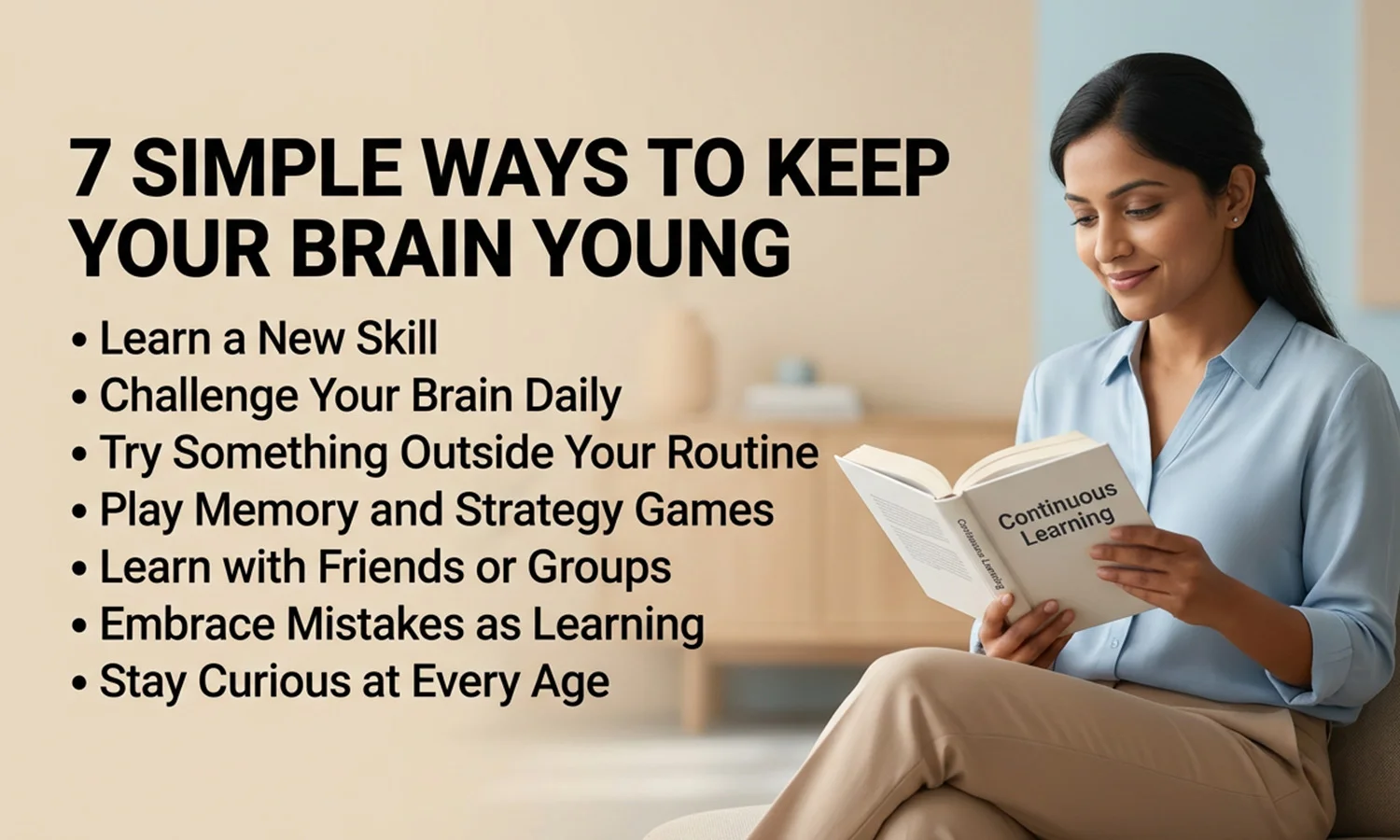
The best skill to learn is one that genuinely interests you, because curiosity keeps you going when progress slows. It can be practical or purely for joy, such as singing, a language, or a game like Mah-jong.
What matters for the brain is novelty. Learning new skills that feel fresh activates different neural pathways and provides real brain exercise. Choose something that excites you, and skill development will feel less like work.
Make Learning Social
Learning with others adds motivation and connection. A new game gives you a fresh way to socialise with friends, and a class or group keeps you accountable. Social learning also reduces the loneliness that can stall progress.
This social element supports lifelong learning, because the bonds you form make you want to return. Shared mental stimulation is more enjoyable, and enjoyment is what turns a short attempt into a lasting habit.
Overcoming the I Am Too Old Belief
The belief that you are too old to learn is one of the biggest barriers, and it is simply not supported by science. Neuroplasticity allows the brain to adapt throughout life, and the runner Fauja Singh completed a marathon at one hundred after taking up the sport in his late eighties.
Let that example dissolve the excuse. Learning new skills at any age drives cognitive growth and keeps the mind flexible. Build steady learning habits, and your brain will keep rewarding the effort for years to come.
Keeping Momentum When Learning New Skills Gets Hard
Every new skill has a stage where progress slows and frustration rises. This is normal and even useful, because struggle is a sign that your brain is forming fresh connections. Carol Dweck’s research suggests that the effort of working through mistakes deepens learning more than easy repetition of what you already know. Pushing gently through this stage is where real cognitive growth happens.
To keep momentum, break the skill into small pieces and practice a little each day rather than cramming. Short, frequent sessions build learning habits that last, and they keep the task from feeling overwhelming. Tracking small wins gives your brain the sense of progress it needs to stay motivated.
Remember that age is not a barrier. Lifelong learning keeps the mind active, and mental stimulation from new challenges supports memory and focus at any stage of life. Whether you choose a language, an instrument, or a game, the act of learning new skills is itself a powerful brain exercise.
Frequently Asked Questions
Does Learning New Skills Improve Brain Health?
Yes. Learning new skills is a powerful brain exercise that strengthens connections and supports cognitive growth. The mental stimulation of a new challenge keeps the mind active, which helps protect memory and focus as you age.
Is It Harder to Learn New Skills as You Get Older?
It can take a little longer, but lifelong learning is very possible because the brain stays adaptable. Older learners bring experience that aids skill development, and regular practice keeps cognitive growth strong at any age.
What Are the Best Brain Exercises for Adults?
Strong brain exercise options include learning a language, playing an instrument, or trying a strategy game. Even using your other hand for a daily task adds mental stimulation. The key is novelty, since new challenges drive cognitive growth.
How Do I Stay Consistent When Learning a New Skill?
Break the skill into small pieces and practise a little each day rather than cramming. Short, frequent sessions build learning habits that last and keep skill development from feeling overwhelming, which supports steady lifelong learning.
Take the Next Step
Learning new skills is more enjoyable with encouragement and a clear plan. If you would like guidance on building lifelong learning habits, visit https://coachingwithgeeta.com/book-a-session/ to learn more and book a session.