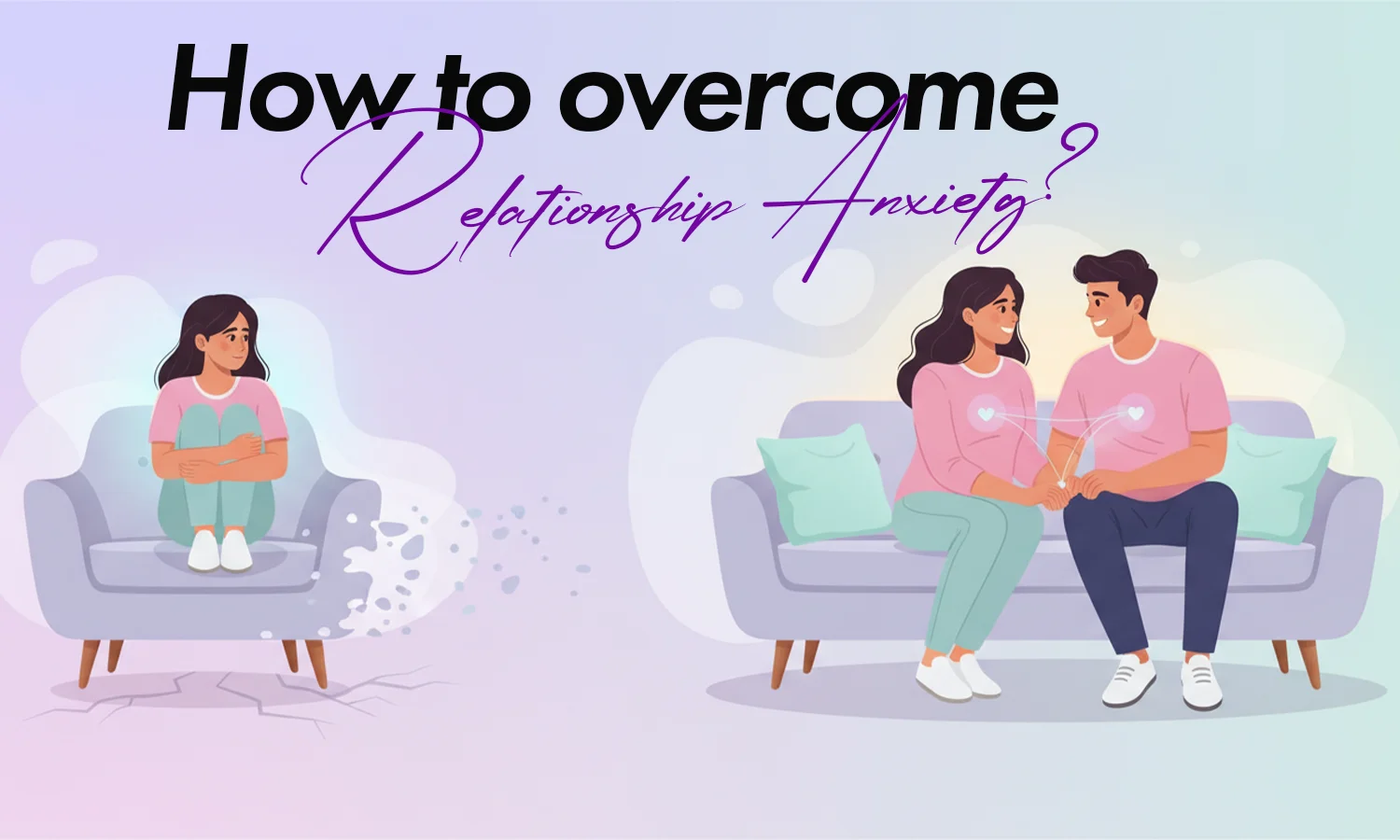
Many people experience relationship anxiety at some point in their lives. It often appears as constant worry about a partner’s feelings, fear of abandonment, or overthinking small situations in the relationship. While occasional doubt can be normal, persistent relationship anxiety can make it difficult to fully enjoy the connection with your partner.
Instead of feeling secure, people may constantly analyze their partner’s behavior or worry about the future of the relationship. Understanding why relationship anxiety happens and learning how to manage it can help create a more balanced and trusting partnership.
What Causes Relationship Anxiety?
Several factors can contribute to relationship anxiety, including past experiences, personal insecurities, and communication patterns within the relationship.
One major cause is separation anxiety in relationships, where individuals fear emotional distance or abandonment. This fear may develop due to inconsistent emotional support during childhood or past relationships where trust was broken.
In some cases, the anxiety may be linked to separation anxiety disorder, a condition where intense worry about losing close relationships becomes overwhelming. Individuals experiencing this may constantly seek reassurance from their partner.
Low self-esteem can also play a role. When people doubt their own worth, they may assume their partner will eventually lose interest. Past relationship trauma, such as betrayal or emotional neglect, can further strengthen these fears.
External influences can also trigger anxious feelings. Poor communication, unclear expectations, and even social media comparisons can create unnecessary doubts that fuel relationship anxiety.
5 Signs of Relationship Anxiety
Doubting the Other Person’s Feelings
One of the most common signs is constantly questioning whether your partner truly loves or values you. Even when your partner shows affection, someone experiencing relationship anxiety may struggle to believe it.
Poor Communication
Anxiety can sometimes prevent open conversations. People may avoid expressing their concerns because they fear conflict or rejection, which can lead to misunderstandings within the relationship.
People-Pleasing
Another sign is prioritizing a partner’s happiness over personal needs. Individuals with signs of anxious attachment may try to avoid disagreements by constantly pleasing their partner.
Looking for Problems
People experiencing relationship anxiety may overanalyze small situations, such as delayed replies or subtle changes in tone. This constant search for problems can create unnecessary stress.
Worrying More Than Enjoying the Relationship
Instead of feeling present and happy, anxious thoughts take over the relationship experience. The focus shifts from enjoying time together to worrying about what might go wrong.
Also Read:How to Overcome the Fear of Losing Someone You Love
5 Tips to Overcome Relationship Anxiety
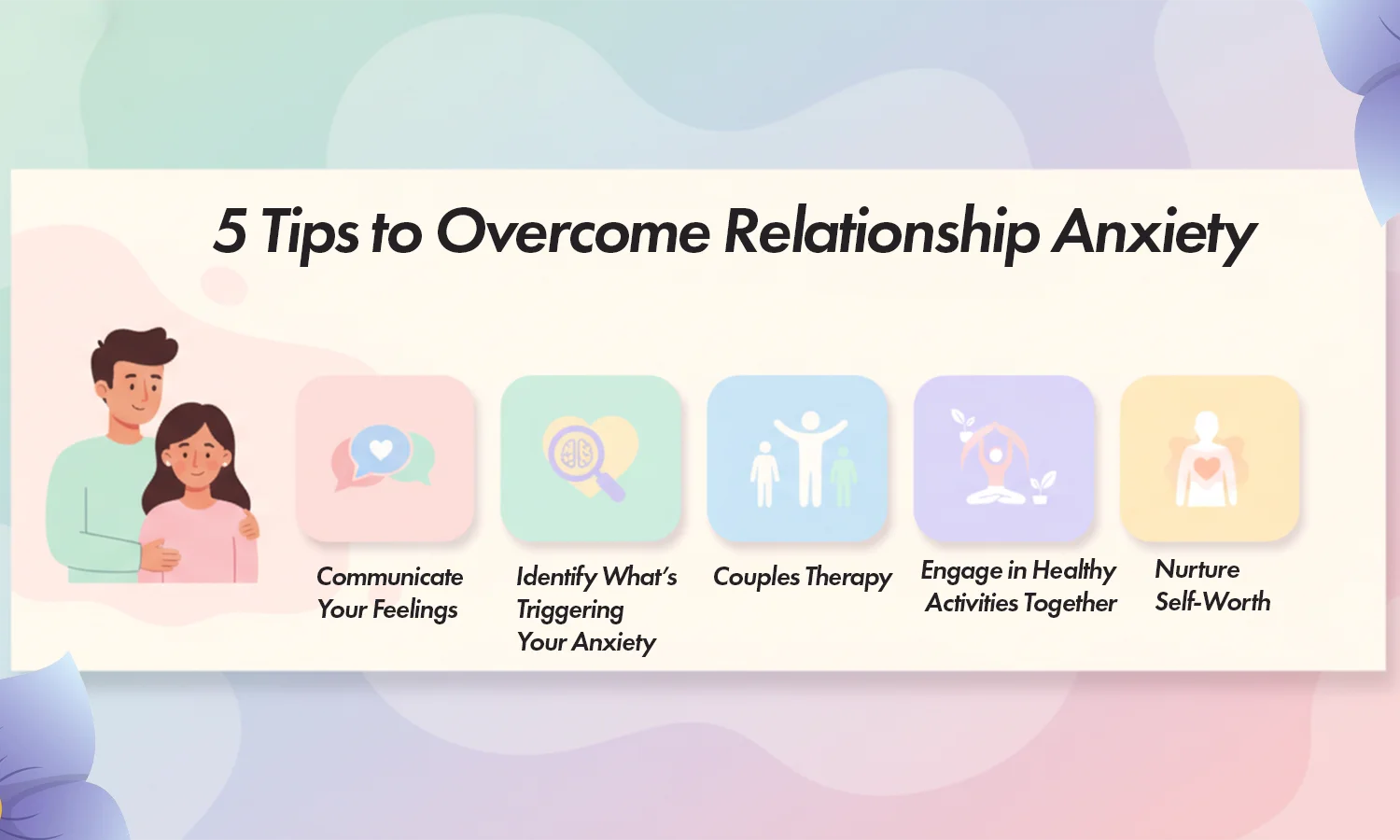
Communicate Your Feelings
Open communication is one of the most effective ways to manage relationship anxiety. Sharing your concerns calmly allows both partners to understand each other’s emotional needs.
Using “I feel” statements rather than blame-based language helps create a supportive environment for discussion.
Identify What’s Triggering Your Anxiety
Understanding what triggers anxious thoughts can make them easier to manage. Triggers might include long response times to messages, misunderstandings, or past experiences influencing current emotions.
Recognizing these patterns is an important step toward overcoming anxious attachment and developing healthier emotional responses.
Couples Therapy
Professional support can help partners understand each other’s communication styles and emotional needs. Therapy provides tools for dealing with a relationship in a healthier way, especially when anxiety is affecting trust or communication.
Engage in Healthy Activities Together
Shared activities such as exercising, traveling, or learning something new together can strengthen emotional bonds. These positive experiences help replace anxious thoughts with meaningful connections.
Nurture Self-Worth
Building self-confidence outside the relationship is essential. Spending time on personal goals, hobbies, and friendships can help reduce dependence on constant reassurance from a partner.
When self-worth improves, relationship anxiety often becomes easier to manage because emotional security grows from within.
Conclusion
Experiencing relationship anxiety does not mean a relationship is unhealthy or destined to fail. These feelings often come from past experiences, self-doubt, or communication gaps that can be addressed with awareness and effort.
By improving communication, identifying triggers, and strengthening self-confidence, individuals can gradually reduce anxious thoughts and build healthier emotional connections.
For readers who wish to understand their emotions and relationship patterns more deeply, the book The Game of Change by Geeta Ramakrishnan offers thoughtful reflections on self-awareness, emotional balance, and building stronger relationships. The ideas shared in the book encourage readers to look inward, understand their reactions, and gradually create healthier and more secure connections in life.
FAQs
Common causes include past relationship trauma, low self-esteem, communication issues, and attachment patterns developed during childhood.
Managing relationship anxiety often involves identifying triggers, improving communication with your partner, and working on self-confidence and emotional awareness.
Yes, relationship anxiety can improve with self-awareness, healthy communication, and sometimes professional guidance. Over time, individuals can build stronger emotional security and trust within their relationships.