• Skip to main content

The Game of Change

Geeta Ramakrishnan

  • About
  • Work With Me
  • Media
  • Book
  • Resources
    • Free
    • Premium
  • Blog
  • Connect

Geeta

Learning New Skills: Keep Your Brain Young at Any Age

August 12, 2026 By Geeta

Learning new skills

      You are never too old to learn something new, and your brain will thank you for trying. Learning new skills fires and activates different parts of the brain, building fresh neural connections that keep the mind agile. You do not have to become an expert. The act of learning itself is the reward. This article explains why learning new skills matters for brain health, what neuroscience reveals, and how to make skill development a natural part of your life at any age.

      Why Learning New Skills Keeps the Brain Sharp

      Each new skill activates different parts of the brain and forms new pathways. Whether it is learning to sing, humming a few favourite songs, or trying a game such as Mah-jong, the novelty itself is valuable brain exercise.

      You need not be the best at any of it. The point is that learning new skills gives the brain something fresh to work on, and that mental stimulation is what keeps it young and flexible.

      The Neuroscience of Skill Development

      Research on neuroplasticity shows the brain can adapt in structure and function throughout life. Mayo Clinic experts confirm you can retrain your brain and pick up new abilities no matter your age, which is the biological basis of skill development.

      Dr. Carol Dweck of Stanford University adds that neural connections deepen when you make mistakes and learn from them. So the stumbles of learning new skills are not obstacles, they are exactly how cognitive growth happens.
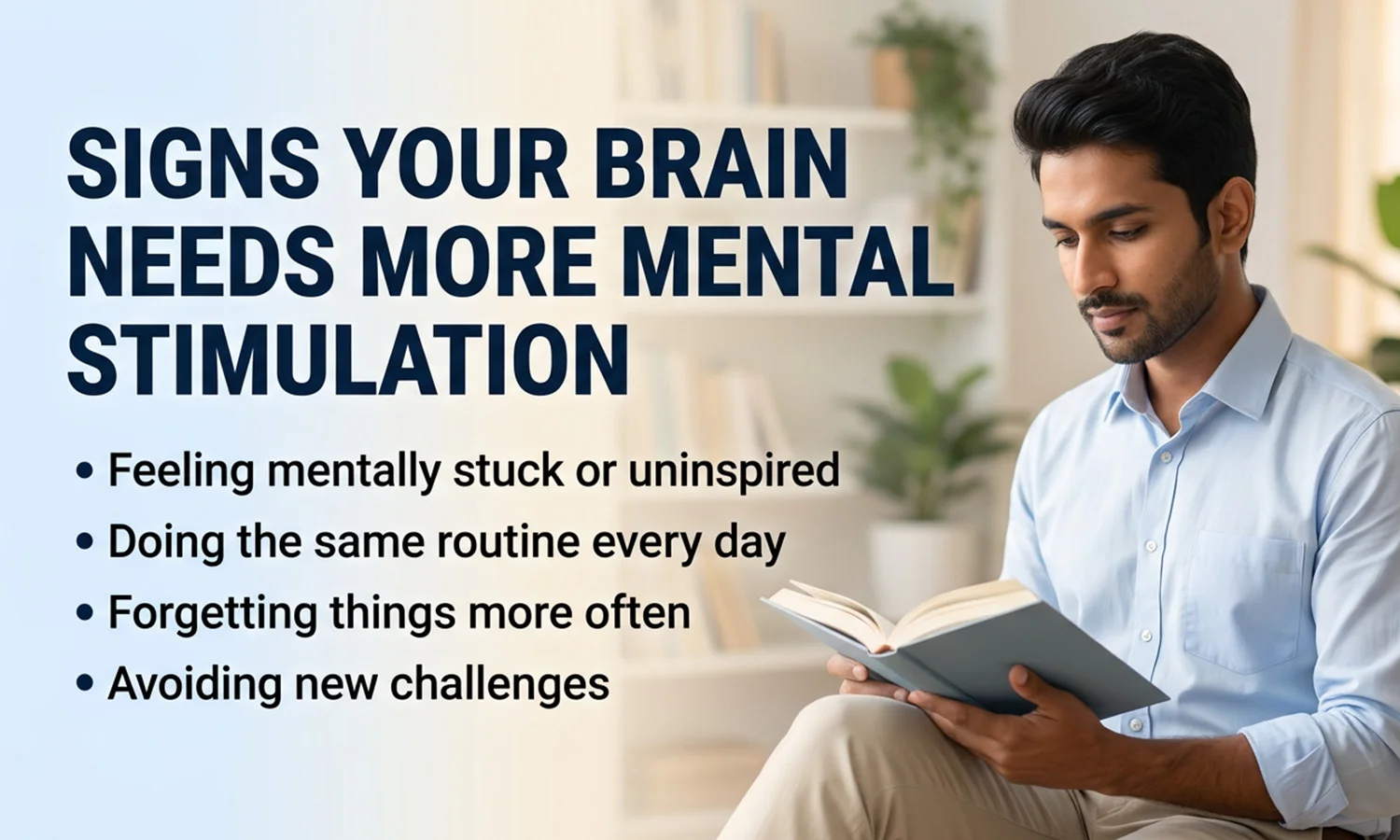
      Brain needs mental stimulation

      Lifelong Learning Has No Age Limit

      The story of Fauja Singh proves the point. The British Sikh runner took up the sport in his late eighties after losing his wife and son, and in 2011, at the age of one hundred, he became the first centenarian on record to complete a marathon in Toronto.

      His example shows that lifelong learning and physical achievement are possible far later than most people assume. Whether the new skill is mental or physical, the door stays open. Learning new skills is a lifelong invitation.

      Simple Brain Exercise You Can Start Today

      You can begin with tiny challenges. Try brushing your teeth with your non dominant hand, which forces the brain to build new coordination. Take a different route to work and notice the details around you.

      These small acts are genuine brain exercise. Add a language app, a memory game, or a puzzle such as Sudoku, and you give the brain steady mental stimulation that supports ongoing cognitive growth.

      Building Learning Habits That Last

      Consistency turns occasional effort into real progress. Set a goal you can review weekly, and forgive yourself for the off days rather than quitting. This gentle structure is how strong learning habits form.

      Make learning new skills a regular part of life and the benefits compound. Lifelong learning protects memory, sharpens focus, and keeps the mind curious. Skill development is one of the kindest gifts you can give your future self.
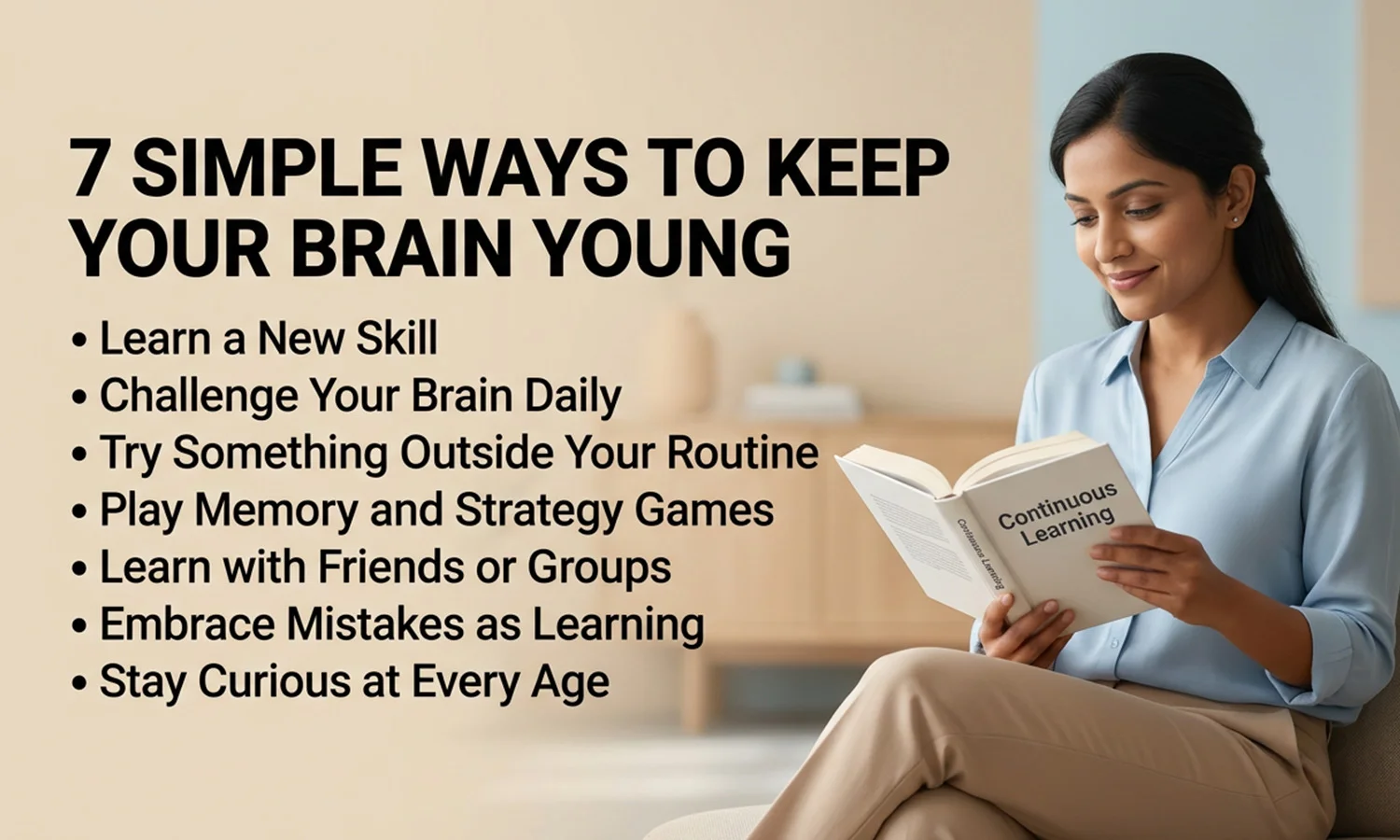
      Ways to keep your brain young

      How to Choose a Skill Worth Learning

      The best skill to learn is one that genuinely interests you, because curiosity keeps you going when progress slows. It can be practical or purely for joy, such as singing, a language, or a game like Mah-jong.

      What matters for the brain is novelty. Learning new skills that feel fresh activates different neural pathways and provides real brain exercise. Choose something that excites you, and skill development will feel less like work.

      Make Learning Social

      Learning with others adds motivation and connection. A new game gives you a fresh way to socialise with friends, and a class or group keeps you accountable. Social learning also reduces the loneliness that can stall progress.

      This social element supports lifelong learning, because the bonds you form make you want to return. Shared mental stimulation is more enjoyable, and enjoyment is what turns a short attempt into a lasting habit.

      Overcoming the I Am Too Old Belief

      The belief that you are too old to learn is one of the biggest barriers, and it is simply not supported by science. Neuroplasticity allows the brain to adapt throughout life, and the runner Fauja Singh completed a marathon at one hundred after taking up the sport in his late eighties.

      Let that example dissolve the excuse. Learning new skills at any age drives cognitive growth and keeps the mind flexible. Build steady learning habits, and your brain will keep rewarding the effort for years to come.

      Keeping Momentum When Learning New Skills Gets Hard

      Every new skill has a stage where progress slows and frustration rises. This is normal and even useful, because struggle is a sign that your brain is forming fresh connections. Carol Dweck’s research suggests that the effort of working through mistakes deepens learning more than easy repetition of what you already know. Pushing gently through this stage is where real cognitive growth happens.

      To keep momentum, break the skill into small pieces and practice a little each day rather than cramming. Short, frequent sessions build learning habits that last, and they keep the task from feeling overwhelming. Tracking small wins gives your brain the sense of progress it needs to stay motivated.

      Remember that age is not a barrier. Lifelong learning keeps the mind active, and mental stimulation from new challenges supports memory and focus at any stage of life. Whether you choose a language, an instrument, or a game, the act of learning new skills is itself a powerful brain exercise.

      Frequently Asked Questions

      Does Learning New Skills Improve Brain Health?

      Yes. Learning new skills is a powerful brain exercise that strengthens connections and supports cognitive growth. The mental stimulation of a new challenge keeps the mind active, which helps protect memory and focus as you age.

      Is It Harder to Learn New Skills as You Get Older?

      It can take a little longer, but lifelong learning is very possible because the brain stays adaptable. Older learners bring experience that aids skill development, and regular practice keeps cognitive growth strong at any age.

      What Are the Best Brain Exercises for Adults?

      Strong brain exercise options include learning a language, playing an instrument, or trying a strategy game. Even using your other hand for a daily task adds mental stimulation. The key is novelty, since new challenges drive cognitive growth.

      How Do I Stay Consistent When Learning a New Skill?

      Break the skill into small pieces and practise a little each day rather than cramming. Short, frequent sessions build learning habits that last and keep skill development from feeling overwhelming, which supports steady lifelong learning.

      Take the Next Step

      Learning new skills is more enjoyable with encouragement and a clear plan. If you would like guidance on building lifelong learning habits, visit https://coachingwithgeeta.com/book-a-session/ to learn more and book a session.

      Filed Under: Uncategorized

      Healthy Lifestyle Changes That Sharpen Body and Mind

      August 12, 2026 By Geeta

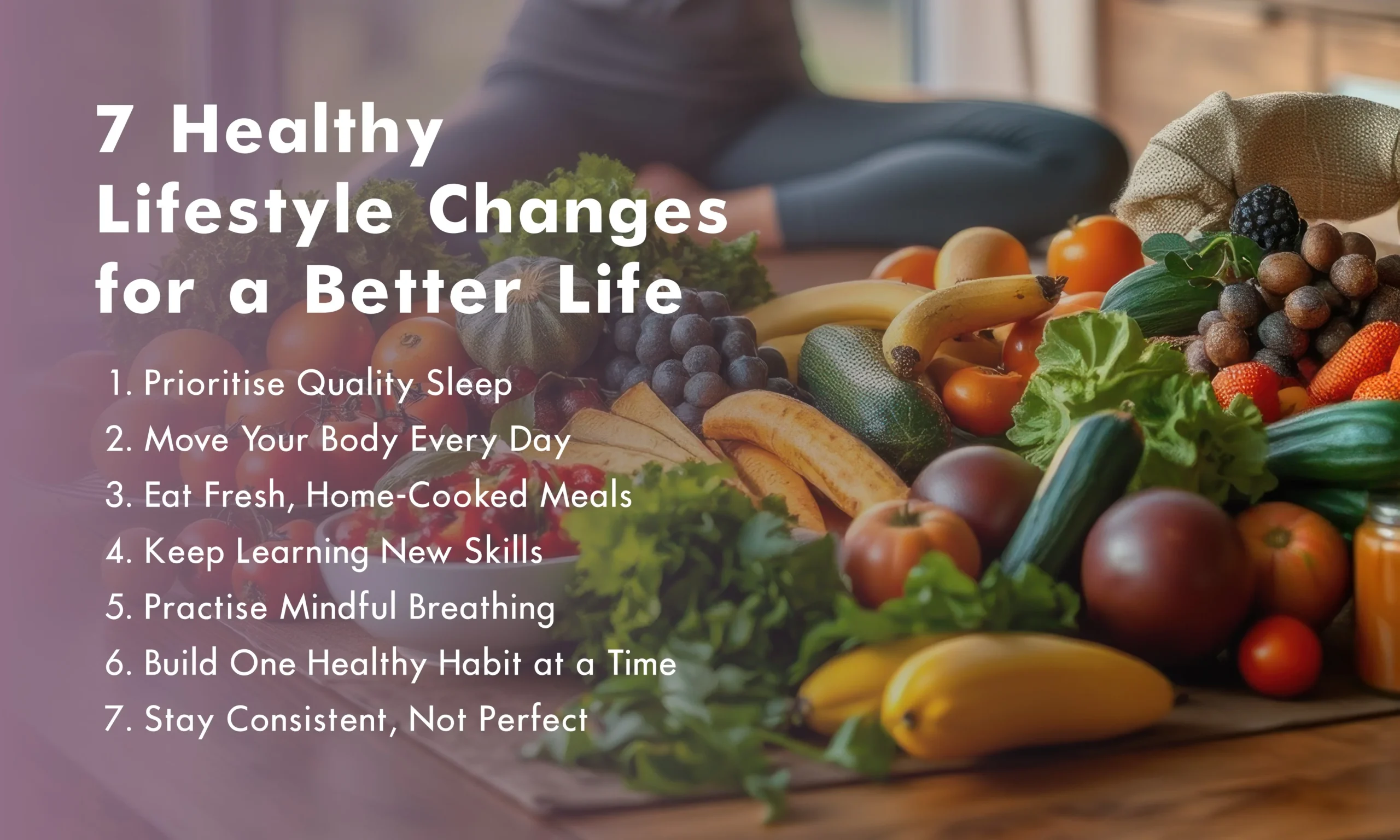
          A healthier life is rarely built in one heroic leap. It is built through small, repeatable choices that the brain and body can sustain. Healthy lifestyle changes work best when they support both physical wellbeing and mental sharpness at the same time. The same habits that keep your body strong also fuel brain exercise and cognitive growth. This article shows how to make healthy lifestyle changes that stick, why they matter for the brain, and how to combine movement, learning, and calm into one routine.

          Why Healthy Lifestyle Changes Protect the Brain

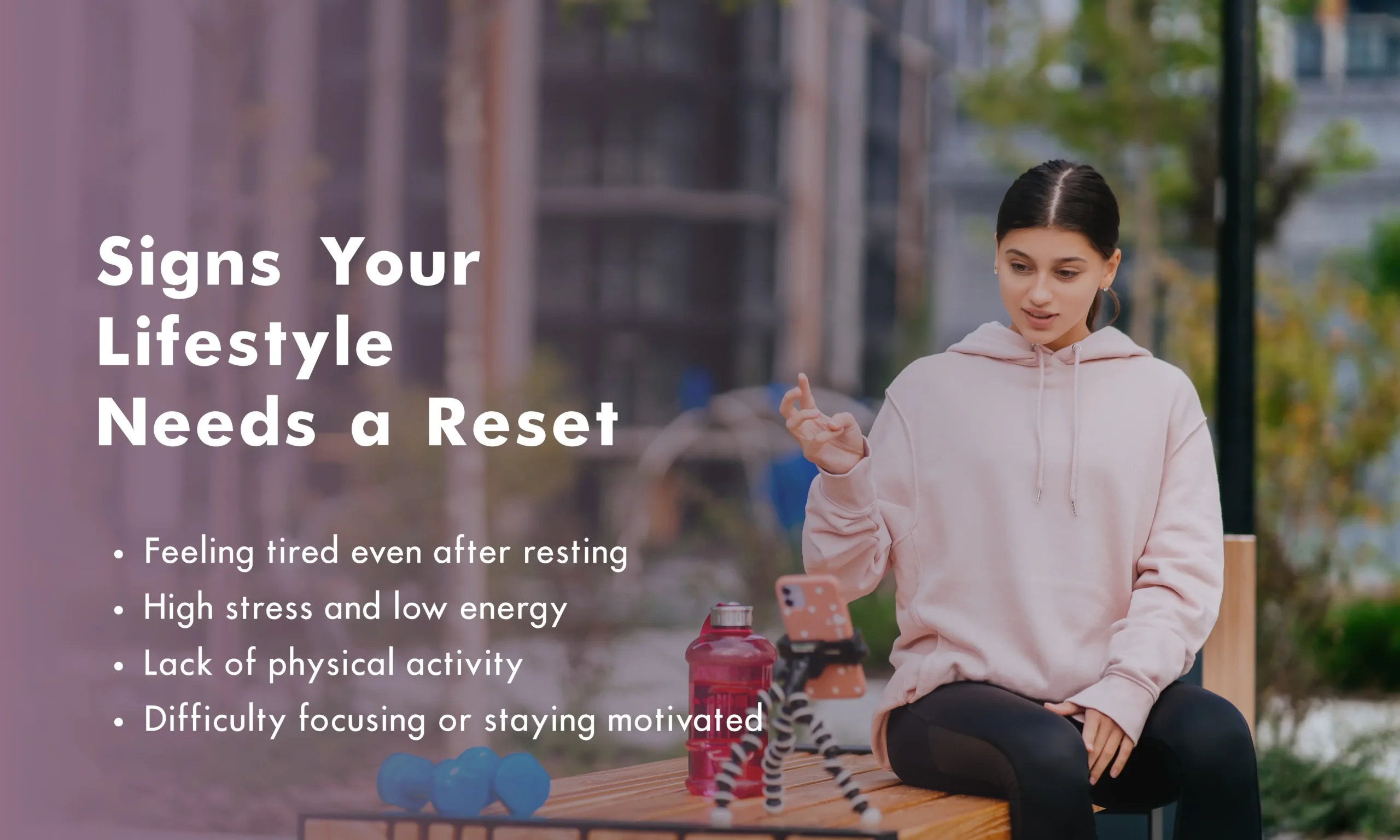
           Healthy Lifestyle Changes

          Chronic stress harms the brain. Researchers have linked sustained high cortisol to a smaller hippocampus, the memory centre, and to faster decline in people with Alzheimer’s disease, along with higher blood pressure and cholesterol.

          This is why healthy lifestyle changes that lower stress are so valuable. Better sleep, regular movement, and calmer breathing all protect the mind, while also creating the conditions for mental stimulation and cognitive growth.

          Make Change Easier by Working With Your Brain

          Change is not easy, because the brain prefers familiar routines and sends panic signals when a pattern is disrupted. Knowing this helps you be patient with yourself as you build healthy lifestyle changes.

          Replace an old habit by practicing a new one until it forms a strong neural pathway. It is fine to be lazy for a day or two. Just notice it, and pick up where you left off rather than giving up entirely.

          Move, Cook, and Build Skill Development

          Cooking is an excellent mind and body exercise, because the touch, smell, and colours of the ingredients connect your body with your mind. Preparing your own meals supports better eating while doubling as a sensory form of skill development.

          Movement matters too, and it is never too late to start. The runner Fauja Singh took up the sport in his late eighties and completed a marathon at one hundred, proving that physical skill development has no age limit.

          Feed the Mind With Lifelong Learning

          Healthy lifestyle changes are not only about the body. Keeping the mind active with brain gym activities such as Sudoku, memory games, and puzzles provides steady mental stimulation that helps keep the brain young.

          Learning a new language or skill activates different parts of the brain and builds new connections. This commitment to lifelong learning supports cognitive growth and keeps your thinking flexible across the years.

          Build Learning Habits and Stay Consistent

          Structure keeps change alive. Set a one month goal, review it weekly, then set the next month’s goal. A small commitment, such as prepaying for a block of training sessions, can be a powerful motivator that supports steady learning habits.

          Combine movement, mindful breathing, good sleep, and daily brain exercise, and your healthy lifestyle changes reinforce one another. Over time, these learning habits compound into a sharper mind, a stronger body, and lasting cognitive growth.

          Sleep Is the Foundation of Healthy Lifestyle Changes

          Sleep is often the first thing sacrificed and the most important to protect. During rest, the brain clears waste and consolidates memory, which supports both mood and learning. Poor sleep raises stress sensitivity and undermines every other effort.

          Treat consistent sleep as the base of your healthy lifestyle changes. A steady bedtime and a calm wind down routine, including a few minutes of slow breathing, give the brain the recovery it needs for cognitive growth.

          Start Small With One Change at a Time

          Trying to overhaul everything at once usually ends in burnout. Healthy lifestyle changes last longer when you start with one habit, let it settle, then add the next. Replace an old pattern by practicing the new one until it forms a strong neural pathway.

          This layered approach respects how the brain works. One stable habit makes the next easier, and steady learning habits build on one another until a healthier routine feels natural rather than forced.

          Track Progress Without Pressure

          Gentle tracking keeps you moving. Set a one month goal, review it weekly, and note what felt easier. A small commitment, such as prepaying for a block of training sessions, can be a useful motivator that supports follow through.

          Avoid harsh self judgment on the off days. Just notice and continue. Combine movement, good sleep, mindful breathing, and daily brain exercise, and your healthy lifestyle changes will reinforce one another into lasting mental stimulation and wellbeing.

          Making Healthy Lifestyle Changes Stick

           Healthy Lifestyle Changes

          The reason many healthy lifestyle changes fail is that people try to change everything at once. The brain resists sudden disruption, so a gentler approach works better. Pick one change, give it a few weeks to settle into a habit, and only then add the next. This patient sequence respects how the brain forms new pathways and makes lasting change more likely.

          Pair each new habit with something you already do. Stretch while the kettle boils, take a short walk after lunch, or read a few pages before sleep. These small links turn intentions into routines and provide steady mental stimulation that keeps the brain engaged. Cooking a simple meal connects body and mind through touch, smell, and color, which is a quiet form of brain exercise.

          Protect your sleep, since rest is when the brain consolidates memory and learning. Combined with movement and continued skill development, good sleep supports both body and mind. Lifelong learning and consistent learning habits round out a lifestyle that keeps you sharp and adaptable for years to come.

          Frequently Asked Questions

          What Healthy Lifestyle Changes Improve Brain Health?

          Helpful healthy lifestyle changes include regular movement, good sleep, nourishing food, and continued learning. Together they provide mental stimulation and brain exercise, supporting cognitive growth and keeping the mind sharp over time.

          How Do I Make Healthy Lifestyle Changes That Stick?

          Make healthy lifestyle changes that stick by changing one thing at a time and pairing it with an existing routine. The brain resists sudden disruption, so gradual skill development and steady learning habits help new behaviours last.

          Why Is Sleep Important for the Brain?

          Sleep is when the brain consolidates memory and learning, which is why it anchors any healthy lifestyle changes. Good rest supports cognitive growth and makes mental stimulation from new skills and lifelong learning far more effective.

          How Does Learning Support a Healthy Lifestyle?

          Learning keeps the brain engaged and is a key part of healthy lifestyle changes. Ongoing skill development and lifelong learning provide mental stimulation and brain exercise, which support cognitive growth and long term wellbeing.

          Take the Next Step

          Healthy lifestyle changes are easier to sustain with steady support and a realistic plan. If you would like guidance on building habits that last, visit https://coachingwithgeeta.com/book-a-session/ to learn more and book a session. This article is for general information and is not a substitute for medical advice.
          Filed Under: Uncategorized

          Empathy and Relationships: How Listening Builds Real Trust

          August 12, 2026 By Geeta

          Empathy and Relationships

            The fastest way to improve any relationship is also the simplest. Listen without trying to win. Empathy and relationships are deeply connected, because empathy is the ability to understand how another person feels by stepping into their place. When you truly listen, trust grows, conflict softens, and both people feel seen. This article explores how empathy and relationships strengthen each other, why most of us react instead of connect, and how to build the empathy skills that transform your personal and working life.

            What Empathy and Relationships Really Require

            Empathy is the ability to understand how another person thinks or feels. It asks you to listen without judging and to deepen your listening skills, because real listening means hearing without interfering.

            This is the foundation of empathy and relationships. When you listen this way, you build trust, and trust is the ground on which every healthy relationship stands. Empathy is less about agreeing and more about understanding.

            Why We React Instead of Connect

            Empathy and Relationships

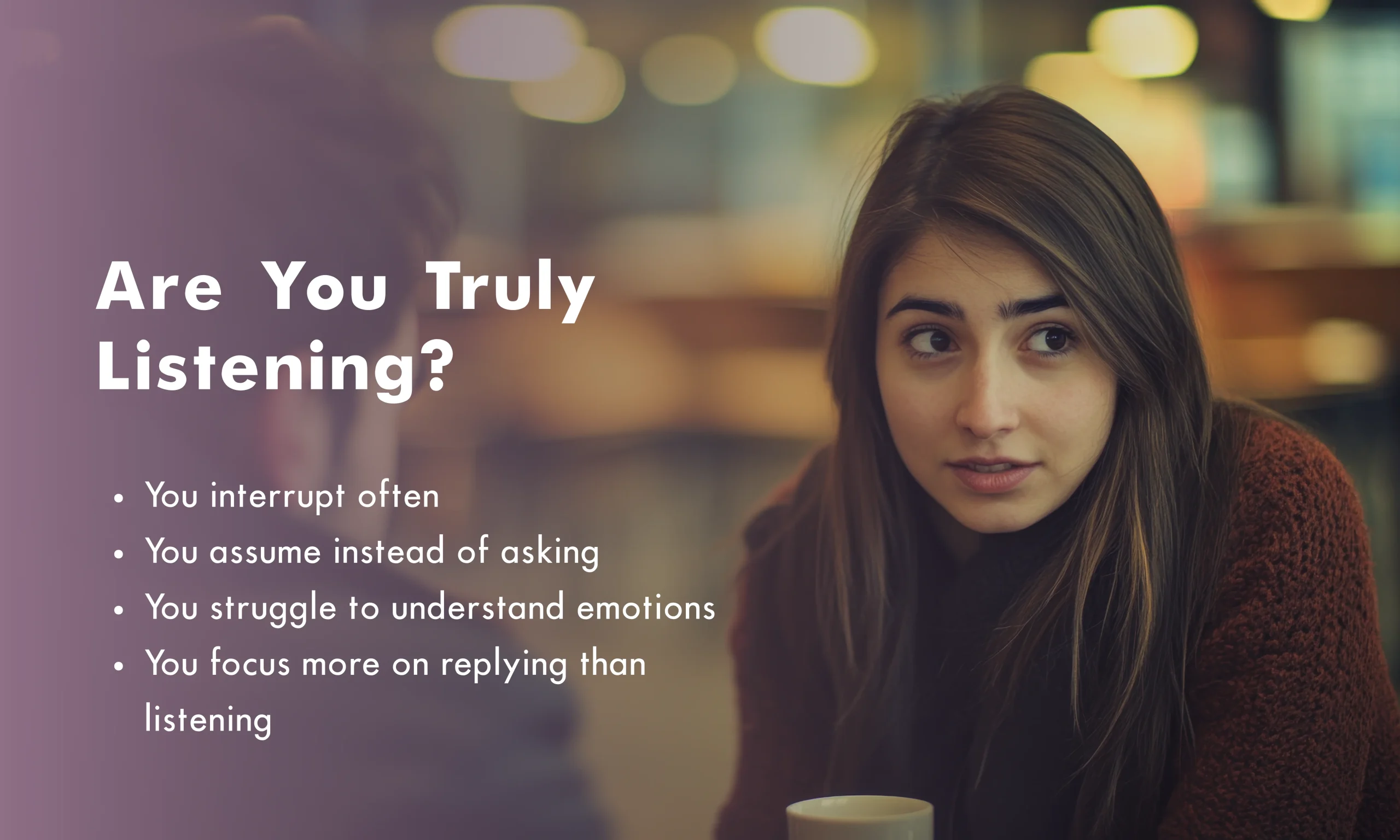
            Most people react because they only see things from their own perspective, whether at work or at home. That narrow view turns small differences into conflicts and keeps relationships stuck in the same arguments.

            With empathy, you can be more proactive and see the need to change from another point of view. This shift from reacting to understanding is where genuine emotional connection begins, and it helps everyone involved grow.

            Active Listening as a Daily Practice

            Active listening means giving your full attention without planning your reply. Imagine simply listening to people talk, no matter how they make you feel, and being a calm, reassuring presence for them.

            This kind of presence is a skill you can practice. Slowing your breath and observing your own reactions helps you stay open rather than defensive. Active listening is the most practical of all empathy skills.

            How Empathy Improves Health and Communication

            Empathy and relationships have effects that reach beyond the conversation. When you connect well at home or at work, you appreciate others’ points of view without necessarily agreeing, and relationships become more peaceful and harmonious.

            That harmony has a real impact on health. It promotes good mental and physical wellbeing, better eating and sleep, and lower stress. Communication improvement, it turns out, is good for the body as well as the heart.

            Trust Building That Lasts

            Trust building is gradual. It grows each time you listen fully, respond with care, and follow through. As trust deepens, people share more openly, and the emotional connection between you strengthens.

            Empathy and relationships reward consistent practice. Keep listening without judgment, keep seeing the other view, and your healthy relationships will continue to grow. Empathy skills, once built, improve almost every part of life.

            Empathy at Work and at Home

            Empathy and relationships improve in every setting once you stop reacting from your own viewpoint alone. At work, understanding a colleague’s pressure changes how you respond to friction. At home, hearing the feeling behind the words softens conflict before it grows.

            In both places, the same skill applies. When you see the situation from another point of view, you become more proactive and less defensive. That shift is where emotional connection and communication improvement begin.

            Empathy Is Understanding, Not Always Agreement

            A common worry is that empathy means giving in. It does not. You can understand and appreciate another person’s point of view without necessarily agreeing with it.

            This distinction keeps empathy honest. Empathy and relationships do not require you to abandon your own needs. They ask you to listen fully and respond with care, which builds healthy relationships even when you disagree.

            Small Daily Habits That Build Trust

            Empathy and Relationships

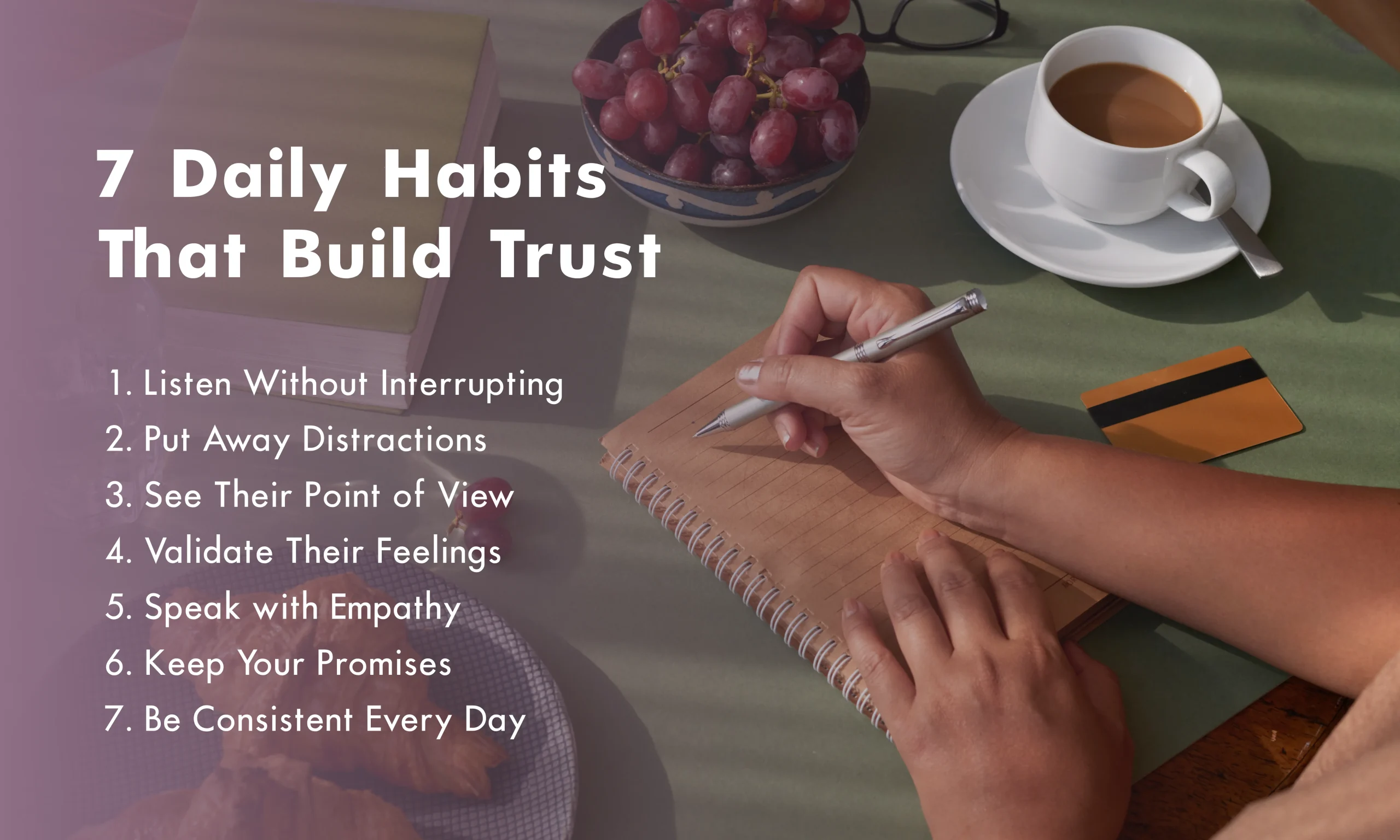
            Trust building happens in small moments. Put your phone away when someone speaks. Reflect back what you heard before replying. Follow through on what you promised, however minor.

            These habits make active listening a daily practice rather than an occasional effort. Over time they deepen the emotional connection between you, and the harmony that follows supports better health, lower stress, and stronger empathy skills.

            Practicing Empathy When You Disagree

            The hardest test of empathy comes during conflict, when your instinct is to defend your view. In these moments, empathy and relationships are strengthened not by winning the argument but by truly hearing the other person first. You can understand someone’s feelings without giving up your own position, and that understanding often lowers the tension enough for a real conversation to begin.

            Active listening is the tool that makes this possible. It means letting the other person finish, reflecting back what you heard, and asking a question before you respond. This simple practice signals respect and builds emotional connection, even when the two of you see things differently. People relax when they feel heard, and a relaxed conversation is far more likely to reach a solution.

            Over time, these habits create trust building that lasts. Trust grows from many small moments of feeling understood, not from grand gestures. As trust deepens, communication improvement follows naturally, because both people feel safe enough to be honest.

            Empathy also protects your own wellbeing. Calmer, more connected relationships reduce stress and support better health, which is why empathy skills are worth practicing daily at home and at work. The change is gradual, but it leads to steadier and more harmonious relationships.

            Frequently Asked Questions

            Why Is Empathy Important in Relationships?

            Empathy and relationships are deeply linked, because understanding another person’s feelings creates emotional connection and reduces conflict. Strong empathy skills help people feel heard, which is the foundation of healthy relationships and lasting trust building.

            How Can I Improve My Empathy Skills?

            Improve your empathy skills by listening fully before responding and imagining how the other person feels. This active listening builds emotional connection and supports communication improvement, strengthening empathy and relationships over time.

            What Is Active Listening and How Does It Help?

            Active listening means letting someone finish, reflecting back what you heard, and asking a question before you reply. It signals respect, deepens emotional connection, and drives the communication improvement that healthy relationships depend on.

            How Do You Build Trust in a Relationship?

            Trust building grows from many small moments of feeling understood, not grand gestures. Consistent active listening and honest, caring responses strengthen empathy and relationships, creating the safety that healthy relationships need to last.

            Take the Next Step

            Stronger empathy and relationships often grow faster with supportive guidance. If you would like help deepening your connections, visit https://coachingwithgeeta.com/book-a-session/ to learn more and book a session.

            Filed Under: Uncategorized

            Positive Thinking and Change: Shift Your Outlook, Shift Your Life

            July 29, 2026 By Geeta

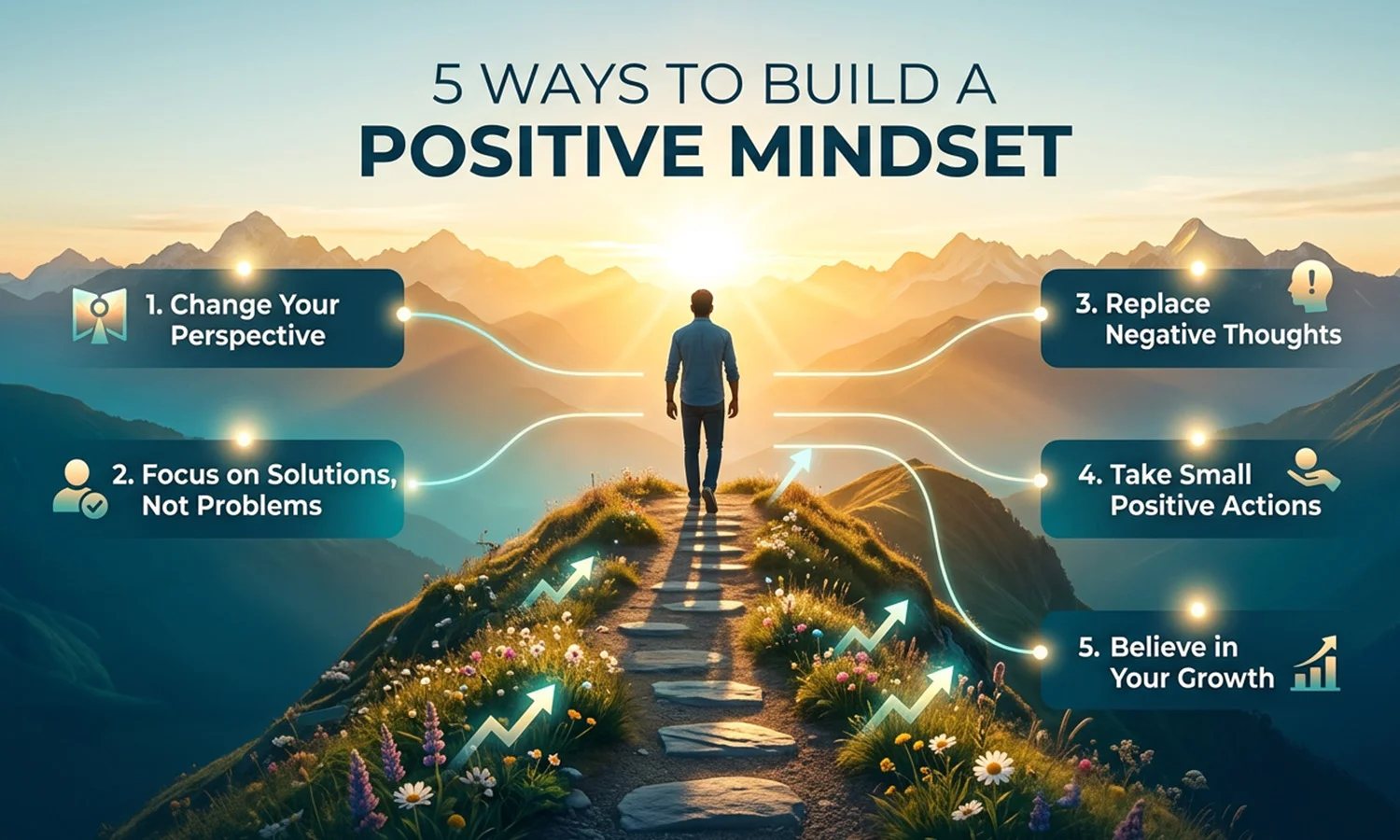
            You cannot always control your circumstances, but you can change how you see them. That single ability is the engine behind positive thinking and change. A shift in perception lets you look at the same problem from a new angle, and that new angle often reveals a way forward you could not see before. Positive thinking is not about ignoring reality. It is about choosing a useful response to it. This article shows how positive thinking and change support each other and how to build the habit.

            How Positive Thinking and Change Reinforce Each Other

            Even when the situation around you stays the same, a change in perception or belief helps you see it differently. That fresh view can turn a wall into a door. This is the practical link between positive thinking and change.

            As the writer Maya Angelou suggested, if you cannot change a situation, you can change your attitude toward it. A positive mindset gives you that power, and it is available in any moment you choose to use it.

            Optimistic Thinking Opens Up Opportunities

            When you change your mindset, problems and issues begin to look like opportunities. If you keep meeting a challenge with the same old method and the same frustration, you stay stuck with the same result.

            Optimistic thinking breaks that loop. It frees you to try new approaches and to notice openings you would otherwise miss. Positive thinking and change thrive on this willingness to look for what could work.

            Positive Thinking and Change at the Brain Level

            Your brain is malleable, and research on neuroplasticity confirms that it can change in structure and function throughout life. Positive thinking, mindfulness, and Cognitive Behaviour Therapy are recognised ways to support this.

            Cognitive Behaviour Therapy simply means changing the way you think and feel so that your behaviour follows. This is positive thinking and change in action, a deliberate practice that reshapes your mental patterns over time.

            positive thinking and change

            Building Self Belief Through Action

            Self belief is not built by repeating empty slogans. It grows when you take small brave steps and let yourself learn from mistakes. Each completed action gives your brain evidence that you are capable.

            This evidence is what gives self belief its staying power. Combined with positive thinking and change, it produces the mental strength to keep going when progress feels slow. Action and optimism feed each other.

            Using Positive Affirmations Wisely

            Positive affirmations can help, but only when they are paired with belief and effort. Interestingly, research shows that people whose deep beliefs are challenged head on can become more rigid, so affirmations work best when they feel genuine rather than forced.

            Choose positive affirmations that you can actually accept, and back them with real steps. Done this way, positive thinking and change stop being wishful thinking and become a reliable source of mental strength and forward motion.

            Positive Thinking Is Not Toxic Positivity

            Positive thinking and change do not mean pretending everything is fine. Forcing a smile over real pain is toxic positivity, and it tends to backfire. Genuine positive thinking acknowledges the difficulty, then looks for a useful response to it.

            This honest form of optimism is what builds mental strength. You face the situation clearly, then choose where to place your attention. A positive mindset works precisely because it is rooted in reality, not denial.

            Reframing Is the Core Skill

            Reframing means looking at the same situation from a different angle. Even when circumstances do not change, a shift in perception can turn a wall into a door. This is the practical engine of positive thinking and change.

            Practice reframing by asking what else could be true, or what this challenge might be teaching you. Optimistic thinking grows stronger each time you find a more useful angle, and that habit steadily builds self belief.

            A Daily Positive Thinking Routine

            Start the day by naming one thing you are looking forward to. During the day, catch one harsh self judgment and soften it. At night, note one small win. These three steps keep positive thinking and change active.

            Pair this with positive affirmations you can actually believe, and back them with real action. Done consistently, this routine turns optimism into a reliable source of mental strength rather than a passing mood.

            How to Keep Positive Thinking Honest and Useful

            Positive thinking and change work together only when the optimism is grounded. Pretending a hard situation is fine does not help and often backfires. Useful positive thinking acknowledges the difficulty and then looks for the part you can influence. This honest form of optimistic thinking keeps you motivated without denying reality, and it keeps your mind open to solutions you might otherwise miss.

            The core skill is reframing. When you face a setback, you can ask what the situation makes possible rather than only what it took away. This question shifts your focus toward action and builds mental strength. Over time, repeated reframing strengthens self belief, because you gather evidence that you can find a path forward even when things go wrong.

            Positive affirmations can support this process when they are believable. A statement you fully reject will not stick, so choose words that stretch you slightly rather than ones that feel false. Paired with real effort, a positive mindset becomes a practical tool for change rather than empty cheerfulness.

            Frequently Asked Questions About Positive Thinking and Change

            Does Positive Thinking Really Change Your Life?

            Positive thinking and change work together when the optimism is grounded. A positive mindset will not erase problems, but it keeps you open to solutions and builds mental strength, which helps you act instead of giving up.

            How Do I Build a Positive Mindset When Life Is Hard?

            Build a positive mindset by acknowledging the difficulty first, then focusing on the part you can influence. This honest, optimistic thinking protects motivation and grows self belief, since you gather proof that you can find a way forward.

            Do Positive Affirmations Actually Work?

            Positive affirmations help when they are believable. A statement you fully reject will not stick, so choose words that stretch you slightly. Paired with real effort, positive affirmations support a positive mindset and stronger self belief.

            What Is the Difference Between Positive Thinking and Toxic Positivity?

            Positive thinking and change face reality and look for useful action, while toxic positivity denies real feelings. Healthy optimistic thinking allows hard emotions and still builds mental strength, which makes it far more effective than forced cheerfulness.

            Take the Next Step

            Positive thinking and change grow stronger with steady support and practice. If you would like guidance on building a more optimistic outlook, visit https://coachingwithgeeta.com/book-a-session/ to learn more and book a session.
            Filed Under: Uncategorized

            Emotional Healing and Change: Letting Go to Move Forward

            July 27, 2026 By Geeta

            Emotional Healing and Change

            Some of the heaviest weight we carry cannot be seen. Old resentments, unspoken hurts, and fixed beliefs sit in the body and shape how we react to everything. Emotional healing and change are about setting that weight down so you can move forward freely. This is not about forgetting the past, but about releasing its grip. This article explores how emotional healing and change happen, why letting go matters, and how to build the resilience that keeps you steady through life’s shifts.

            Why Emotional Healing and Change Begin With Letting Go

            When you hold on to blocks and resentments, your energy stays locked in defense. Letting go of that baggage introduces new energy into your system, a lightness that often feels like joy and renewed possibility.

            This release is the doorway to emotional healing and change. As the weight lifts, your attention is freed to notice opportunities you could not see before. Letting go is not weakness, it is how self healing starts.

            Understanding Emotional Eating and Hidden Pain

            Often a stubborn behaviour points to a deeper feeling. Many people eat emotionally, reaching for sugar or carbohydrates because they offer short term relief from an unresolved emotion. The food is not the real problem.

            Emotional eating is a genuine issue that deserves attention, not shame. Recognising the feeling underneath the craving is a key step in emotional healing. This honest awareness is where a healing mindset takes shape.

            Building a Healing Mindset

            A healing mindset treats discomfort as a messenger rather than an enemy. Instead of pushing feelings away, you allow yourself to be vulnerable and to face them with curiosity. This openness is essential for emotional healing and change.

            Practices such as introspection, working with a counsellor, and guided meditation all support a healing mindset. They give you a safe space to process what you feel, which is the heart of self healing.

            Strengthening Emotional Resilience

            Emotional resilience is the ability to recover after setbacks. It grows when you stop punishing yourself for slow days and instead pick up where you left off. Each gentle restart teaches your nervous system that you are safe.

            Calm, steady breathing supports this process. Slow nasal breaths activate the body’s rest response, easing tension so that emotional resilience can build. Over time, this resilience becomes the backbone of emotional wellness.

            From Self Healing to Lasting Emotional Wellness

            As you let go, process hidden feelings, and build resilience, your relationships and health often improve. A calmer mind connects more easily and reacts less harshly, which deepens trust and reduces stress.

            Emotional healing and change are a practice, not a one time event. Keep releasing old weight, keep meeting your feelings with kindness, and emotional wellness will steadily grow. Self healing is always available, at any stage of life.

            Naming Your Emotions Is a First Step

            You cannot heal what you will not name. Putting words to a feeling, even silently, reduces its intensity and helps the thinking brain re engage. This simple act is a quiet but powerful part of emotional healing and change.

            Next time a strong feeling rises, pause and name it without judgment. This builds self awareness and a healing mindset, and it interrupts the automatic reactions that keep old pain in place. Naming is where self healing begins.

            Daily Practices That Support Emotional Healing

            Emotional healing and change grow from small daily practices. Slow nasal breathing calms the body and signals safety. A short reflection helps you process the day. Gentle movement releases tension stored in the body.

            These practices build emotional resilience over time. Each calm restart teaches the nervous system that you are safe, which is the foundation of emotional wellness. Healing rarely happens in one dramatic moment, it accumulates through steady care.

            When to Reach for Extra Support

            Some wounds are too heavy to carry alone, and that is not a weakness. Working with a trained counsellor or coach can give you a safe space to process difficult feelings and move forward.

            Reaching out is itself a sign of a healing mindset. Emotional healing and change are easier with support, and combining professional help with daily self healing practices gives you the strongest foundation for lasting emotional wellness.

            Gentle Steps That Support Emotional Healing and Change

            Healing is rarely a straight line. Some days feel light and others feel heavy, and both are part of the process. The aim is not to force a permanent mood but to build a healing mindset that lets feelings move through you instead of getting stuck. When you stop fighting an emotion and simply allow it to be present, it often softens faster than expected.

            Letting go is a skill that grows with practice. You can begin by naming what you feel, writing it down, or speaking it aloud to someone you trust. These small acts release pressure and strengthen emotional resilience over time. Self healing does not mean doing everything alone, and reaching out is a sign of strength rather than weakness.

            With patience, emotional healing and change lead to greater emotional wellness. You begin to respond to old triggers with more space and less reaction. The past loses some of its charge, and you make room for new energy, which is the quiet joy that often follows genuine release.

            Frequently Asked Questions

            What Does Emotional Healing Actually Involve?

            Emotional healing and change involve allowing feelings to surface, understanding them, and gradually letting go of their hold. It is rarely a straight line, but a steady healing mindset helps emotions move through you and builds emotional resilience.

            How Do I Start Letting Go of Past Pain?

            Begin by naming what you feel, then express it through writing or talking with someone you trust. These small acts release pressure and support self healing. Letting go is a skill that strengthens emotional wellness with practice.

            How Long Does Emotional Healing Take?

            There is no fixed timeline for emotional healing and change, since it depends on the person and the situation. Some days feel light and others heavy, and both are normal. A patient healing mindset and steady support build lasting emotional resilience.

            What Is the Link Between Emotional Eating and Emotional Healing?

            Emotional eating is often an attempt to soothe hidden feelings rather than real hunger. Recognising the emotion behind the urge is a step toward self healing. Addressing the root feeling supports genuine emotional healing and greater emotional wellness.

            Take the Next Step

            Emotional healing and change unfold more gently with caring support. If you would like guidance on letting go and building resilience, visit https://coachingwithgeeta.com/book-a-session/ to learn more and book a session. If you are struggling with your mental health, please also consider speaking with a qualified professional.
            Filed Under: Uncategorized

            Mindfulness for Change: How Presence Rewires Your Life

            July 15, 2026 By Geeta

            We spend most of our lives somewhere other than the present. Studies suggest people pass roughly ninety five percent of their time replaying the past or worrying about the future. That mental absence quietly blocks growth. Mindfulness for change is the practice of returning to now, where real choices are actually made. When you are present, you can finally see your patterns clearly and choose a different response. This article explains how mindfulness for change works and how to weave it into ordinary days.

            Why Mindfulness for Change Matters

            When your mind is stuck in the future, you live the same imagined moment over and over while missing the real one in front of you. No one can predict exactly what will happen, so rehearsing it only fuels anxiety.

            Mindfulness for change interrupts that loop. By bringing attention back to the present, you create a gap between a trigger and your reaction. In that gap lives the freedom to choose, which is the whole point of present moment awareness.

            Present Moment Awareness in Everyday Tasks

            You do not need a meditation cushion to practice. Try taking a new route to work and noticing the people, the trees, and the flowers along the way, instead of mentally rehearsing your meeting.

            This simple shift trains present moment awareness. Being observant pulls you into the now, and curiosity becomes a doorway to mindful living. The more often you practice, the more natural this presence feels.

            Mindful Living Through the Senses

            Cooking is an excellent mind and body exercise. The touch, smell, and colours of the ingredients connect your body with your mind and fire up your imagination of how the meal will taste.

            Activities that engage the senses anchor you in the present and support mindful living. They turn routine chores into small moments of focus, which steadily builds the mental clarity that change requires.

            Breathing as a Gateway to Self Awareness

            Slowing your breath and observing your thoughts come and go is a form of meditation in itself. You can sit comfortably in a chair, keep your back straight, and simply watch your breath. Researchers at Northwestern University found that the rhythm of breathing shapes activity in brain regions tied to emotion and memory.

            This gentle practice deepens self awareness. As you notice your thoughts without grabbing them, you begin to understand your own patterns. Self awareness is the foundation on which mindfulness for change is built.

            From Mental Clarity to Emotional Balance

            A present mind is a calmer mind. When stress drops, you gain time and energy, which increases your ability to see problems as opportunities. This is how mental clarity translates into better decisions.

            Over time, mindfulness for change produces emotional balance, the steady inner state that lets you respond rather than react. Keep returning to the present, keep observing your breath, and that balance will grow stronger with practice.

            Micro Mindfulness for Busy Days

            You do not need an hour to practice mindfulness for change. Micro practices fit into ordinary moments. Take three slow breaths before answering a message. Feel your feet on the floor while the kettle boils. Notice the colours around you at a red light.

            These tiny pauses build present moment awareness without disrupting your schedule. Repeated through the day, they train the mind to return to now, which is exactly where mindful living begins.

            Common Misconceptions About Mindfulness

            Many people think mindfulness means emptying the mind or sitting cross legged for hours. Neither is true. Slowing your breath and watching your thoughts come and go, even while seated in a chair, is a complete practice in itself.

            Another misconception is that you must feel calm immediately. Mindfulness for change is about noticing, not forcing. The goal is self awareness, the ability to observe your patterns clearly, which naturally leads to greater mental clarity over time.

            How Mindful Living Improves Decisions

            When you are present, you create a gap between a trigger and your reaction. In that gap lives choice. Instead of snapping back out of habit, you can pause and choose a wiser response.

            This is how mindfulness for change improves real decisions. As stress drops, your thinking clears, and problems start to look like opportunities. The steady result is emotional balance, the calm centre from which better choices flow

            Bringing Mindful Living Into Ordinary Moments

            Mindfulness for change does not require hours of silence or a special room. It can live inside the tasks you already do. Washing dishes, walking to the car, or drinking a glass of water can each become a moment of present moment awareness if you give them your full attention. The point is not to add more to your day but to be more present in what is already there.

            This matters because a scattered mind tends to repeat old patterns automatically. When you slow down and notice what you are doing, you create a small gap between a trigger and your response. In that gap, choice becomes possible. That is where real change begins, and it is why mindful living supports every other habit you are trying to build.

            Try anchoring your attention to your breath for the length of three slow inhales and exhales whenever you move between tasks. This brief reset builds mental clarity and restores emotional balance during a busy day. Repeated often, these short pauses deepen self awareness and make calm a more familiar state rather than a rare one.

            FAQs

            Mindfulness for change helps by creating a pause between a trigger and your response. In that pause you can choose a new action instead of repeating an old pattern. A regular mindfulness practice builds the self awareness that real change requires.

            Present moment awareness means giving full attention to what you are doing right now. You can practise it during ordinary tasks like walking or eating. This simple mindful living habit builds mental clarity and steadies your emotional balance.

            Yes. A consistent mindfulness practice calms a scattered mind, which improves mental clarity and supports emotional balance. By noticing thoughts without reacting, you build self awareness and respond to life with more steadiness.

            Even a few minutes a day helps. Short, frequent moments of present moment awareness matter more than rare long sessions. Mindfulness for change grows through regular mindful living, so consistency is the goal rather than duration.

            Take the Next Step

            Mindfulness for change deepens with regular practice and gentle guidance. If you would like support building a mindful routine, visit https://coachingwithgeeta.com/book-a-session/ to learn more and book a session

            Filed Under: Emotions

            Meditation and Brain Health: Calm Your Mind, Protect It Too

            July 15, 2026 By Geeta

            Meditation is often imagined as something mystical, reserved for hermits and gurus sitting cross legged on a mountain. That picture keeps many people from a practice that could genuinely protect their minds. The truth is far more practical. Meditation and brain health are closely linked, and the basic technique is simple enough for anyone to learn. This article explains how meditation and brain health connect, what the science says, and how to start without any special equipment or beliefs.

            Meditation and Brain Health: Simpler Than You Think

            Meditation does not require a special posture or a quiet temple. The act of slowing your breath and observing your thoughts come and go is a form of meditation in itself. You can practice it in a chair, with your back as straight as possible.

            This accessibility matters, because meditation and brain health benefits come from consistency, not perfection. Guided meditation, with the many apps now available, makes it even easier to begin and to stay on track.

            How Stress Harms the Brain

            Chronic stress is hard on the brain. Researchers have linked sustained high cortisol to a smaller hippocampus, the region central to memory, and to a faster decline in people with Alzheimer’s disease. Stress also promotes high blood pressure and unhealthy cholesterol.

            This is why stress relief is not a luxury. Protecting the brain from constant stress supports mental wellness today and helps guard cognition for the years ahead. Meditation and brain health work together precisely here.

            The Calm Mind Advantage and Focus Improvement

            A calm mind is a clearer mind. When you reduce stress, you gain time and energy, and problems that once felt overwhelming start to look like opportunities. This is one of the most underrated meditation benefits.

            Regular practice also supports focus improvement. Deep, controlled breathing, often used in meditation, has been shown to improve working memory, the short term memory you use to hold and work with information. A calm mind simply performs better.

            Meditation Benefits Backed by Neuroscience

            Researchers at Northwestern University, led by Christina Zelano, found that the rhythm of breathing creates electrical activity in the amygdala, hippocampus, and olfactory cortex. These limbic regions govern emotion, memory, and learning.

            Since slow, nasal breathing sits at the heart of meditation, these findings help explain the meditation benefits people report for mood and recall. Meditation and brain health are not vague ideas, they rest on measurable biology.

            Build a Routine for Lasting Mental Wellness

            You can pair meditation with brain gym activities such as Sudoku and memory games to keep the mind active. Combining mindful living with these challenges keeps your brain young and able to learn well into later life.

            Start small with guided meditation, protect your stress relief time, and stay consistent. Over weeks and months, meditation and brain health reinforce each other, giving you a calm mind today and stronger mental wellness for the future.

            How Often Should You Meditate?

            Consistency matters more than length. Around ten minutes in the morning and ten minutes in the evening is a practical target for meditation and brain health. Short, regular sessions train the mind more effectively than rare long ones.

            Treat the practice like brushing your teeth, a small daily act of care. Over weeks, this steady rhythm builds a calm mind and supports the focus improvement that makes the rest of your day easier.

            Guided Meditation Versus Silent Practice

            Beginners often find guided meditation easier, because a voice gives the mind something to follow. The many apps available make this simple to start, which removes the guesswork that stops people early.

            As you grow more comfortable, you may prefer silent practice, simply observing your breath and thoughts. Both paths deliver meditation benefits. Choose whichever keeps you consistent, since consistency is what protects mental wellness.

            Pairing Meditation With Brain Gym Activities

            Meditation works well alongside mental challenges. Brain gym activities such as Sudoku, memory games, and puzzles that improve hand and eye coordination keep the mind active and engaged.

            Combining mindful living with these challenges, supported by deep breathing, keeps the brain young and able to learn. Together they form a routine for meditation and brain health that protects memory and supports a calm mind well into later life.

            What to Expect in Your First Month of Practice

            Many people give up on meditation because they expect instant calm and then feel they are doing it wrong when their mind keeps wandering. A wandering mind is not failure. Noticing that your attention has drifted and gently returning it is the actual practice, and each return is a small act of focus improvement. Over a month of short daily sessions, these returns add up to a steadier, calmer mind.

            Meditation and brain health are linked through this repeated training. By lowering stress, regular practice helps protect the brain regions involved in memory and learning. In the first week you may simply notice you are less reactive. By the third or fourth week, many people report better sleep and a clearer head during the day, which are practical meditation benefits rather than vague promises.

            Keep the bar low so the habit survives. Five to ten minutes a day, done consistently, supports mental wellness far more than an occasional long session. A calm mind is built through frequency, not intensity, and that is good news for anyone with a busy schedule.

            Frequently Asked

            Meditation and brain health are linked through stress reduction. By lowering stress, regular practice helps protect brain regions tied to memory and learning. The meditation benefits include a calmer mind, better focus improvement, and stronger mental wellness over time.

            Consistency matters more than length. Five to ten minutes daily supports mental wellness more than an occasional long session. With regular practice, the meditation benefits, including stress relief and a calm mind, build gradually over a few weeks.

            Neither is better for everyone. Guided meditation helps beginners because the instructions hold your attention, while silent practice suits those who prefer space. Both support meditation and brain health, so choose what keeps you consistent.

            Yes. Returning your wandering attention during practice is itself focus improvement, and slow, mindful living calms the nervous system for real stress relief. Over time this builds a calm mind and supports overall mental wellness

              Take the Next Step

              Building a meditation practice for brain health is easier with steady guidance. If you would like support creating a routine that lasts, visit https://coachingwithgeeta.com/book-a-session/ to learn more and book a session. This article is for general information and is not a substitute for medical advice.

              Filed Under: Uncategorized

              Personal Growth and Change: Building Confidence From Within

              July 15, 2026 By Geeta

              Real confidence is not loud. It is the quiet certainty that you can handle whatever comes, and it is built from the inside out. Personal growth and change are the path to that certainty. When you focus on inner growth rather than outer approval, self improvement becomes steady and self development feels less like pressure and more like progress. This article explores how to grow your confidence from within and make personal growth and change a lasting part of who you are.

              Personal Growth and Change Start With Looking Within

              Introspection is where transformation begins. By looking within, you see which beliefs and habits help you and which quietly hold you back. You can do this on your own, with a trained coach or counsellor, or through guided meditation.

              This honest self review is the root of inner growth. Once you can name what is no longer working, you gain the power to change it. Personal growth and change always begin with this kind of clear seeing.

              Emotional Growth Comes From Letting Go

              Holding on to old resentments and blocks drains your energy and keeps you guarded. Letting go of that baggage introduces new energy into your system, a feeling of joy and openness that makes room for emotional growth.

              When you release what weighs you down, your nervous system relaxes and your perspective widens. This is where self improvement turns from a struggle into a natural unfolding. Emotional growth is the soil in which confidence quietly takes root.

              Confidence Building Through Small Brave Actions

              Confidence building does not require a single dramatic leap. It grows from small brave actions repeated over time, such as learning a new skill, speaking up, or trying something unfamiliar. Each completed step tells your brain that you are capable.

              Set a goal you can review weekly and forgive yourself for the off days instead of quitting. This steady rhythm is how confidence building becomes self development. Personal growth and change reward consistency far more than intensity.

              Mistakes Strengthen Self Development

              Dr. Carol Dweck of Stanford University found that the brain forms deeper neural connections when you make mistakes and learn from them, rather than repeating tasks you already master. Mistakes are not proof of failure, they are part of the design of growth.

              Welcoming errors as feedback is a core skill of self development. It frees you to experiment, and experimentation is where life transformation happens. Personal growth and change accelerate when you stop fearing the wrong move.

              From Inner Growth to Lasting Life Transformation

              Inner growth eventually shows up in the outer world. As your confidence rises, your relationships, work, and health often improve, because a calmer and more open mind sees more opportunities. This is how quiet inner growth becomes visible life transformation.

              Stay patient with yourself. Personal growth and change are not a destination you reach once, but a practice you return to. Keep looking within, keep letting go, and keep taking small brave steps, and your confidence will continue to deepen.

              Why Comparison Slows Personal Growth and Change

              Constant comparison is one of the biggest blocks to confidence. When you measure yourself against others, you borrow their standards and lose sight of your own progress. Personal growth and change ask you to compare yourself only with who you were yesterday.

              This shift protects inner growth. Instead of chasing someone else’s milestones, you focus on your own steady self development. The result is a calmer, more grounded confidence that does not depend on outside approval.

              Daily Practices That Support Inner Growth

              Inner growth is built through small, repeatable practices. A few minutes of slow breathing settles the nervous system. A short reflection at day’s end helps you notice what you learned. One brave action, however small, tells the brain that you are capable.

              These practices keep emotional growth moving. Done consistently, they turn personal growth and change from an occasional effort into a quiet daily rhythm, and that rhythm is where lasting confidence is born

              Turning Setbacks Into Self Development

              Setbacks are not the opposite of progress, they are part of it. Dr. Carol Dweck of Stanford University found that the brain forms deeper connections when you learn from mistakes rather than avoiding them. A setback, handled well, becomes raw material for self development.

              When something goes wrong, ask what it is teaching rather than what it proves about you. This reframing keeps confidence intact and keeps personal growth and change moving forward, even on hard days. Life transformation is built from many recovered stumbles.

              How Confidence Building Reinforces Lasting Change

              Confidence is not a trait you either have or lack. It is built through evidence you give yourself by following through on small promises. Each time you do something slightly outside your comfort zone and survive it, your brain records proof that you can handle more than you assumed. This is why confidence building works best in small steps rather than giant leaps that overwhelm you.

              As confidence grows, personal growth and change become easier because fear takes up less space. You stop needing certainty before you act. You begin to trust that even if a new approach does not work, you will learn something useful and adjust. That trust is the foundation of emotional growth, and it is what allows inner growth to continue long after the first wave of motivation has faded. Steady self development, repeated over months, is what turns a hopeful start into durable change.

              FAQs

              Confidence building and personal growth and change reinforce each other. Each small brave action gives your brain proof that you can cope, which fuels further self development. As confidence grows, fear shrinks and inner growth becomes easier.

              Build confidence by keeping small promises to yourself and acting slightly outside your comfort zone. Each kept promise becomes evidence of capability, supporting emotional growth and inner growth. Steady self improvement, repeated over time, turns hope into lasting change.

              Comparison slows personal growth and change because it shifts focus to others instead of your own progress. Measuring yourself against your past self is more useful, since it highlights real self development and protects your confidence building.
              ed together

              Yes. Setbacks often drive the deepest personal growth and change, because working through mistakes strengthens both learning and resilience. Treated as feedback rather than failure, setbacks support emotional growth and lasting life transformation.

              Take the Next Step

              Personal growth and change feel lighter with steady support and a clear path. If you would like guidance on building confidence from within, visit https://coachingwithgeeta.com/book-a-session/ to learn more and book a session.
              Filed Under: Emotions

              • « Go to Previous Page
              • Page 1
              • Page 2
              • Page 3
              • Page 4
              • Page 5
              • Interim pages omitted …
              • Page 28
              • Go to Next Page »
              • Facebook
              • Twitter
              • Instagram
              • LinkedIn
              • YouTube
              • Connect

              Copyright © 2026 · Infinity Pro On Genesis Framework · WordPress · Log in