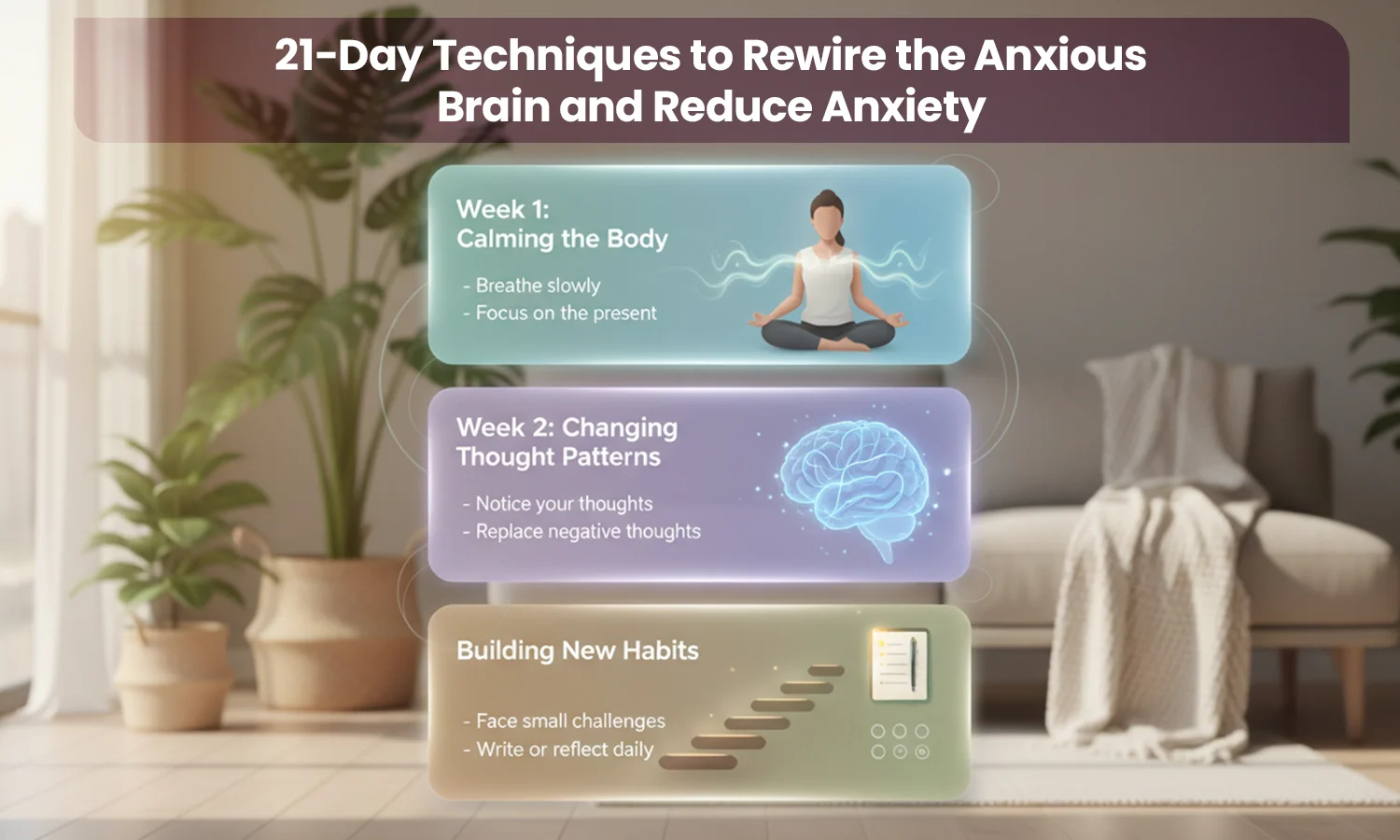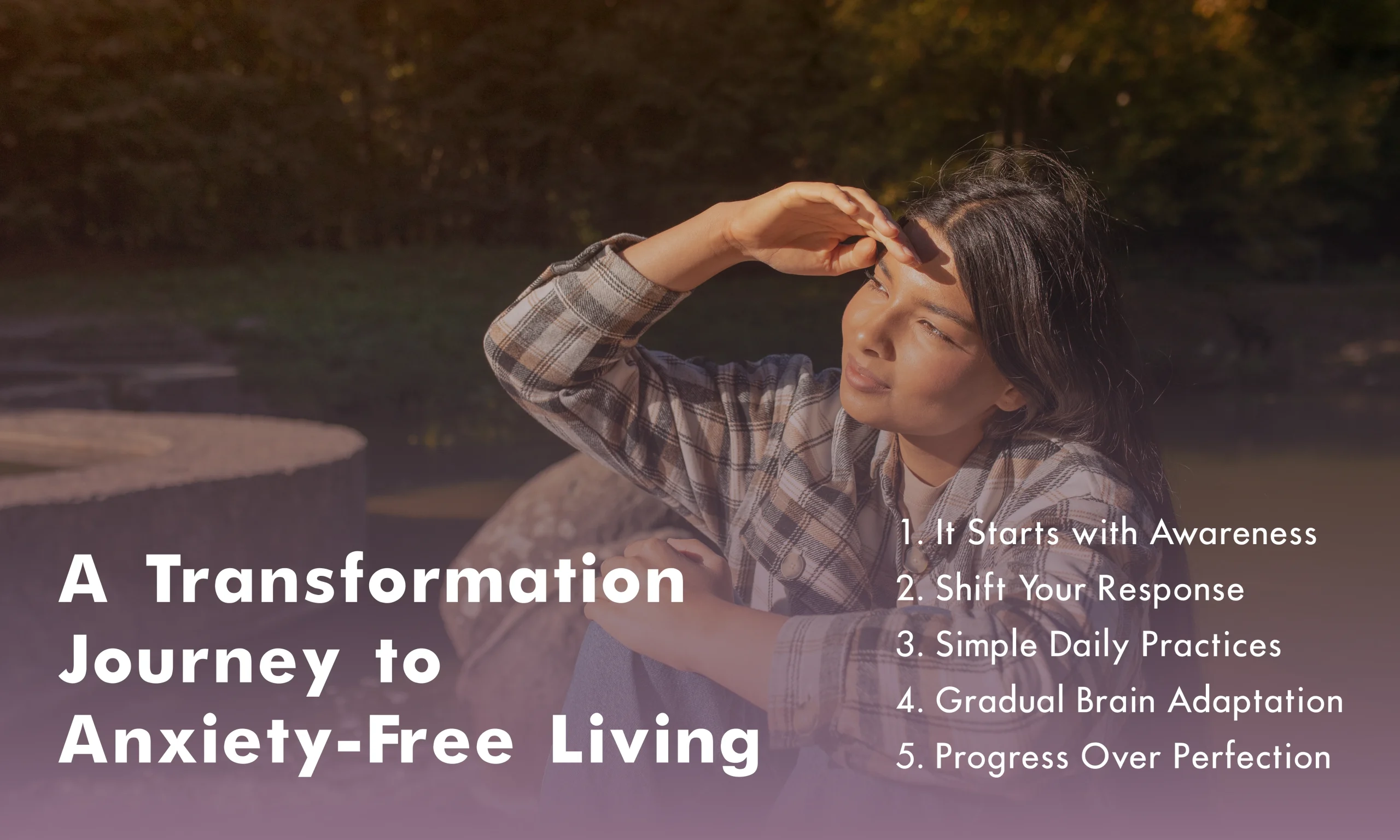
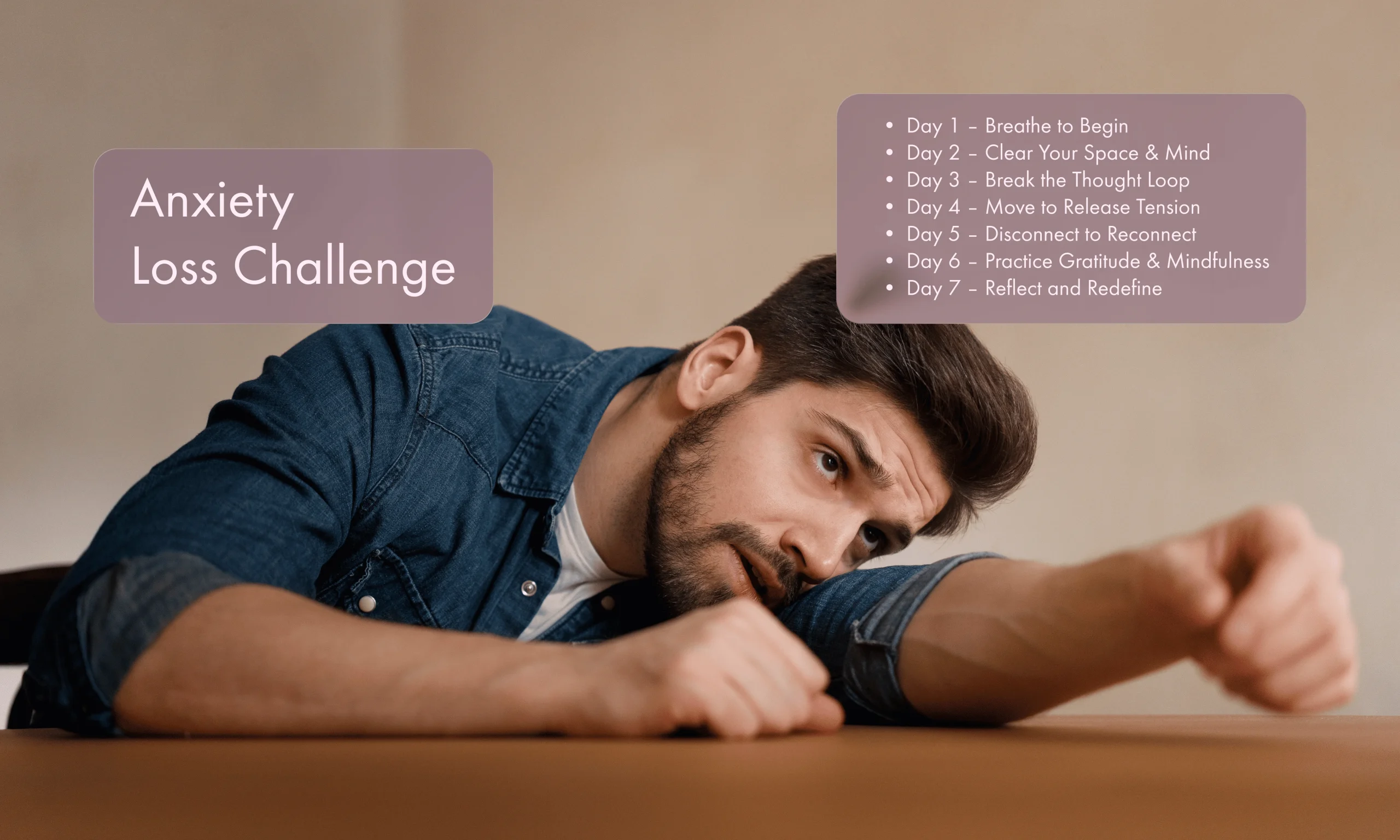
The Anxiety Loss Challenge is a simple yet powerful way to reset your mind using small, consistent actions. Instead of trying to fix everything at once, this approach focuses on one step at a time. Over seven days, you slowly train your mind and body to move away from stress and toward calmness.
This 7-Day Anxiety Reduction Plan is designed to help you build awareness, break negative patterns, and create habits that support emotional balance. It is not about perfection but about progress and consistency.
Anxiety Loss Challenge
The Anxiety Loss Challenge is built on the idea that small daily changes can have a big impact. Anxiety often builds up through repeated thoughts and stress responses, but it can also be reduced through intentional habits.
By following this structured plan, you begin to understand how anxiety and physical health are connected. Over time, this awareness helps you respond better to stress and improves both mental and physical well-being.
Day 1 – Breathe to Begin
The first step in the Anxiety Loss Challenge starts with your breath. Taking a few minutes to slow down your breathing can immediately calm your nervous system.
Practicing controlled breathing helps signal safety to your brain. This is especially helpful because anxiety and physical health are closely linked, and calming your body can directly reduce mental tension.
Day 2 – Clear Your Space & Mind
On the second day, focus on your environment. Cleaning a small space or reducing digital clutter can make a noticeable difference in how you feel.
A clear space often leads to a clearer mind. This step also highlights how anxiety disorders and physical health can be influenced by external surroundings and constant stimulation.
Day 3 – Break the Thought Loop
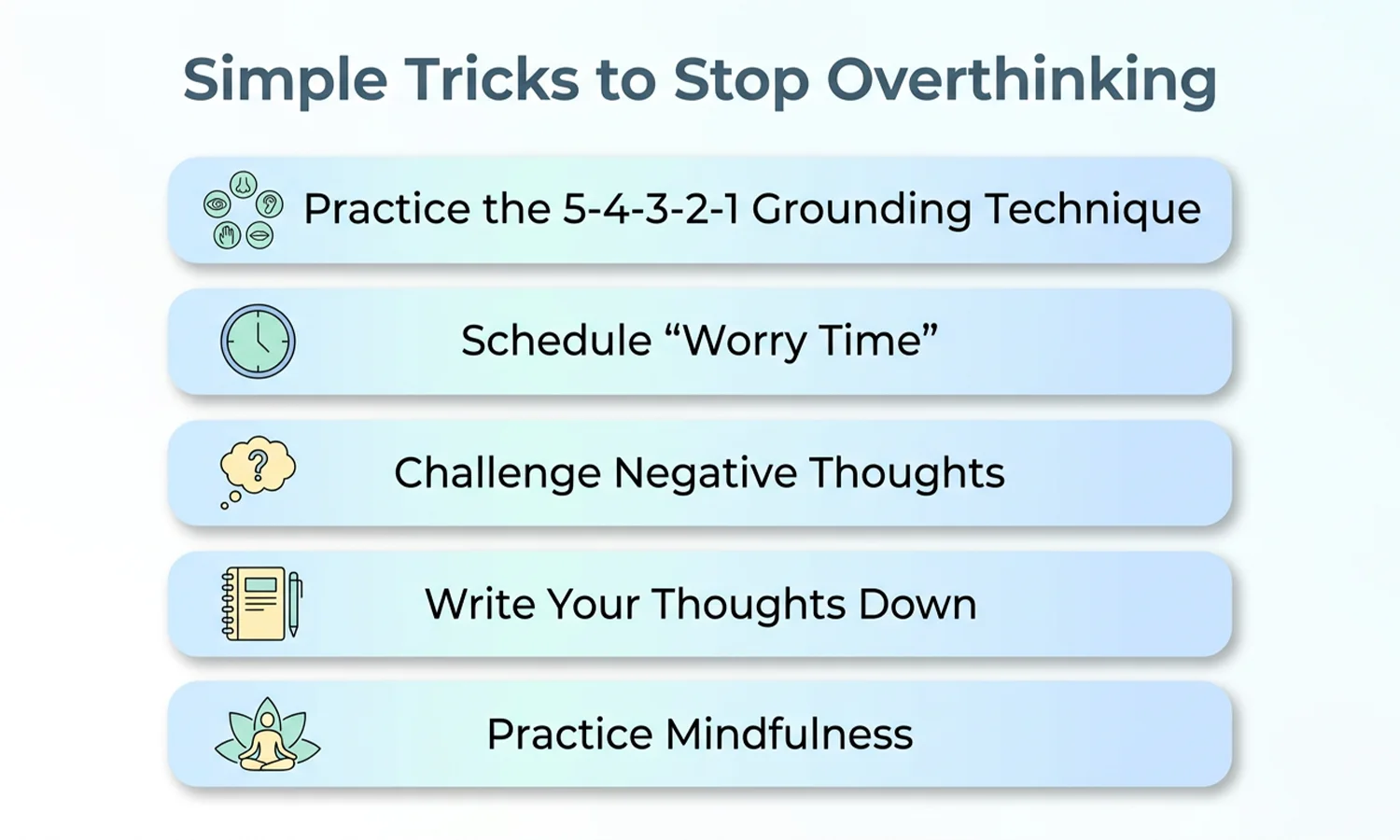
Day three is about awareness. Writing down your thoughts and questioning them helps you understand whether they are real or imagined.
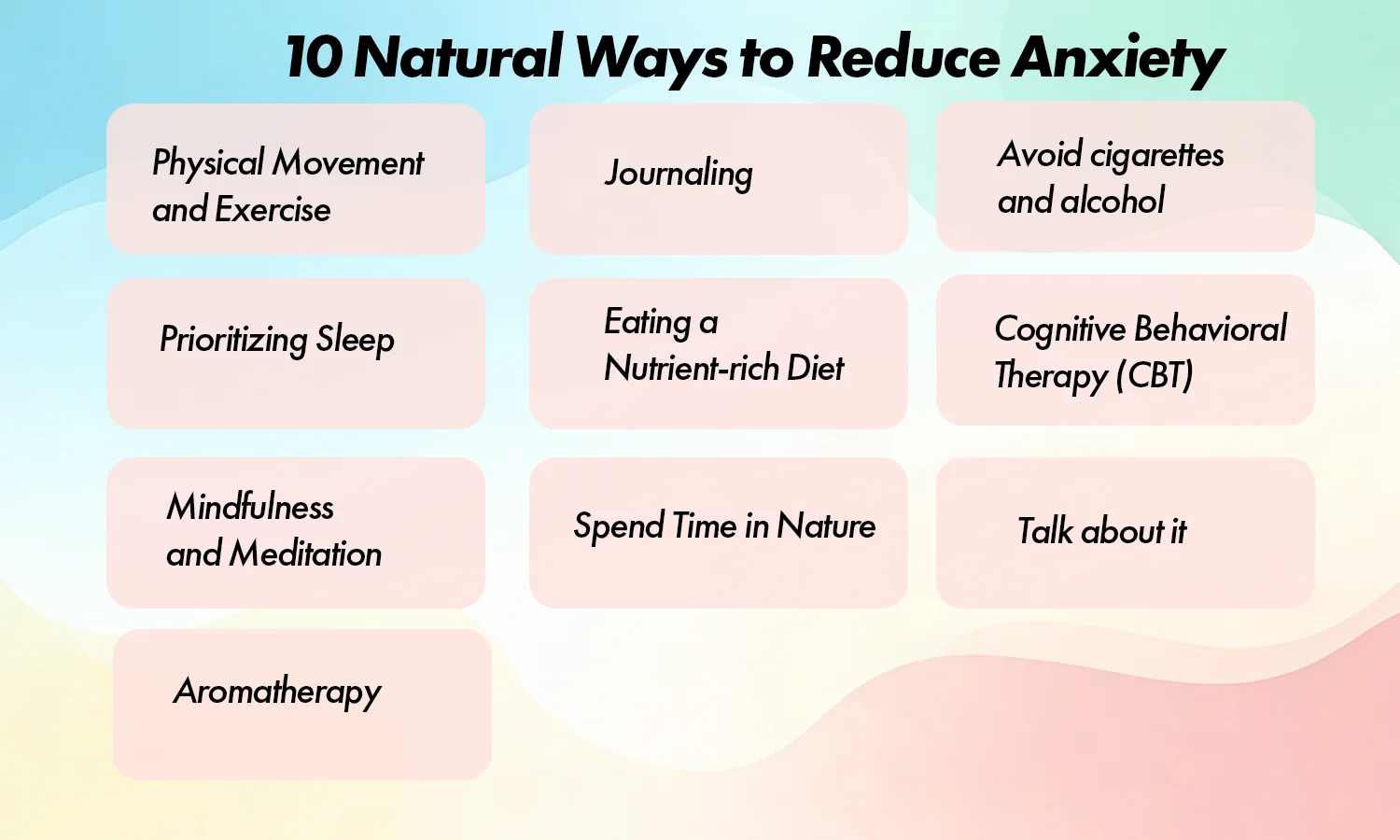
This simple practice supports emotional clarity and is one of the most effective ways to reduce anxiety. When you start identifying patterns, you gain control over how you respond to them.
Day 4 – Move to Release Tension
Physical movement plays a powerful role in managing anxiety. Whether it is a walk, stretching, or dancing, movement helps release built-up stress.
This step also answers an important question many people have — how anxiety and depression affect physical health. The body stores stress, and movement helps release it naturally.
Day 5 – Disconnect to Reconnect
Taking a break from screens can help your mind slow down. Constant notifications and digital overload often keep your brain in a state of alertness.
Spending time offline or in nature helps your system reset. It allows you to reconnect with yourself and reduces unnecessary mental stimulation.
Day 6 – Practice Gratitude & Mindfulness
Day six focuses on shifting your attention. Practicing gratitude helps you notice what is going well instead of focusing only on stress.
This is where mindfulness for anxiety becomes important. It helps you stay present and reduces the habit of worrying about the future.
Day 7 – Reflect and Redefine
The final day of the Anxiety Loss Challenge is about reflection. Looking back at your progress helps you understand what worked best for you.
This step is also about continuing the journey. Choose one habit that makes you feel better and carry it forward into your daily routine.
Also Read:7 Strategies to Beat the Fear of Failure in Life Without Self-Pressure
Conclusion
The Anxiety Loss Challenge shows that change does not have to be overwhelming. Small, consistent actions can help you reduce anxiety and feel more in control of your thoughts and emotions.
If you want to go deeper into understanding your patterns and transforming your mindset, The Game of Change by Geeta Ramakrishnan offers powerful insights into self-awareness and emotional growth. The book helps you shift from feeling stuck to feeling empowered in your everyday life.
If this journey resonates with you, you can grab your copy online and take the next step toward a calmer and more balanced life.
FAQs
Yes, anxiety can sometimes lead to weight gain due to stress eating or hormonal changes.
In some cases, anxiety may reduce appetite, leading to weight loss.
Yes, prolonged stress and anxiety can contribute to temporary hair loss.
Managing stress, eating small meals, and creating a routine can help improve appetite over time.