• Skip to main content

The Game of Change

Geeta Ramakrishnan

  • About
  • Work With Me
  • Media
  • Book
  • Resources
    • Free
    • Premium
  • Blog
  • Connect

Geeta

7-Day Anxiety Loss Challenge

April 10, 2026 By Geeta

Anxiety Loss Challenge

The Anxiety Loss Challenge is a simple yet powerful way to reset your mind using small, consistent actions. Instead of trying to fix everything at once, this approach focuses on one step at a time. Over seven days, you slowly train your mind and body to move away from stress and toward calmness.

This 7-Day Anxiety Reduction Plan is designed to help you build awareness, break negative patterns, and create habits that support emotional balance. It is not about perfection but about progress and consistency.

Anxiety Loss Challenge

The Anxiety Loss Challenge is built on the idea that small daily changes can have a big impact. Anxiety often builds up through repeated thoughts and stress responses, but it can also be reduced through intentional habits.
Anxiety Loss Challenge

By following this structured plan, you begin to understand how anxiety and physical health are connected. Over time, this awareness helps you respond better to stress and improves both mental and physical well-being.

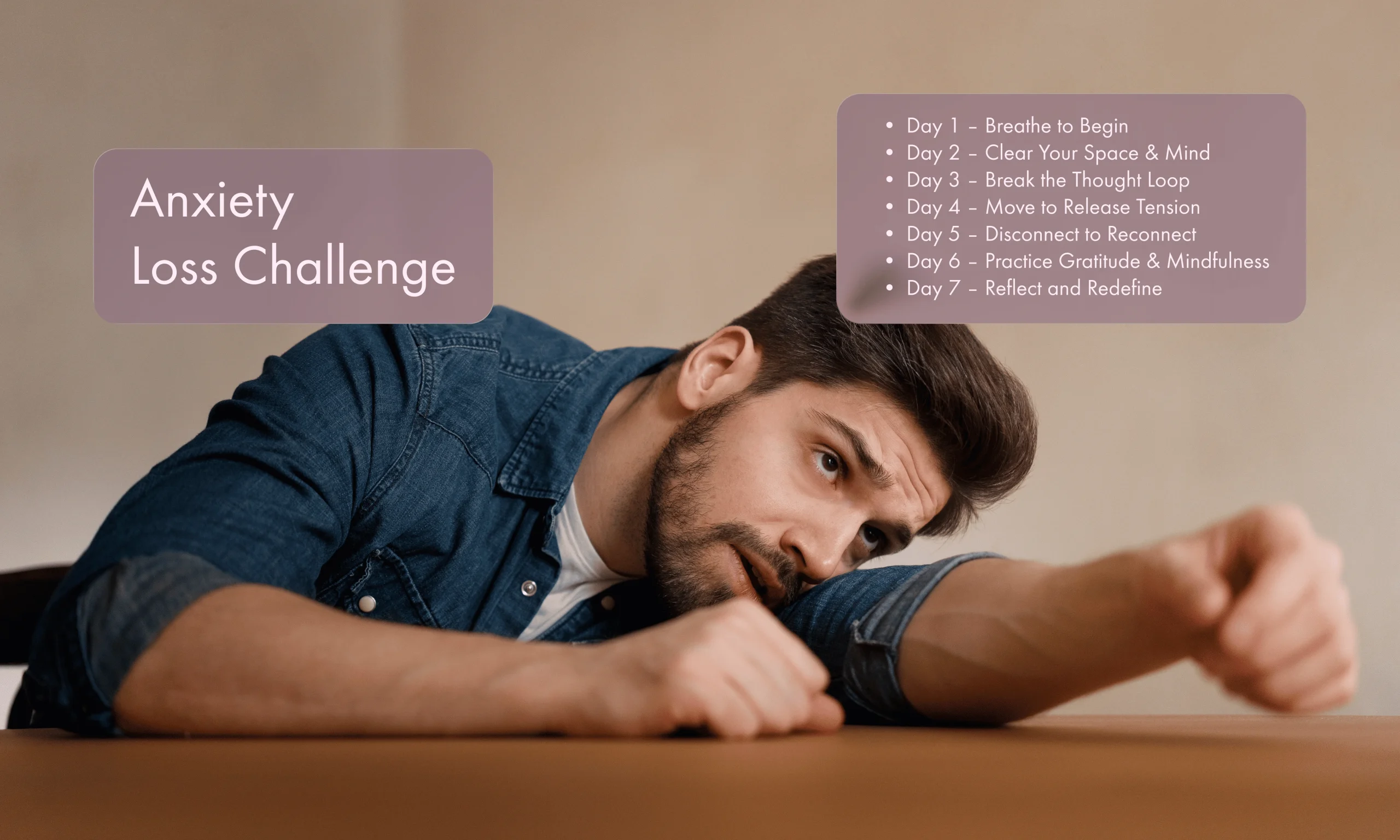
Day 1 – Breathe to Begin

The first step in the Anxiety Loss Challenge starts with your breath. Taking a few minutes to slow down your breathing can immediately calm your nervous system.

Practicing controlled breathing helps signal safety to your brain. This is especially helpful because anxiety and physical health are closely linked, and calming your body can directly reduce mental tension.

Day 2 – Clear Your Space & Mind

On the second day, focus on your environment. Cleaning a small space or reducing digital clutter can make a noticeable difference in how you feel.

A clear space often leads to a clearer mind. This step also highlights how anxiety disorders and physical health can be influenced by external surroundings and constant stimulation.

Day 3 – Break the Thought Loop

Day three is about awareness. Writing down your thoughts and questioning them helps you understand whether they are real or imagined.

This simple practice supports emotional clarity and is one of the most effective ways to reduce anxiety. When you start identifying patterns, you gain control over how you respond to them.

Day 4 – Move to Release Tension

Physical movement plays a powerful role in managing anxiety. Whether it is a walk, stretching, or dancing, movement helps release built-up stress.

This step also answers an important question many people have — how  anxiety and depression affect physical health. The body stores stress, and movement helps release it naturally.

Day 5 – Disconnect to Reconnect

Taking a break from screens can help your mind slow down. Constant notifications and digital overload often keep your brain in a state of alertness.

Spending time offline or in nature helps your system reset. It allows you to reconnect with yourself and reduces unnecessary mental stimulation.

Day 6 – Practice Gratitude & Mindfulness

Day six focuses on shifting your attention. Practicing gratitude helps you notice what is going well instead of focusing only on stress.

This is where mindfulness for anxiety becomes important. It helps you stay present and reduces the habit of worrying about the future.

Day 7 – Reflect and Redefine

The final day of the Anxiety Loss Challenge is about reflection. Looking back at your progress helps you understand what worked best for you.

This step is also about continuing the journey. Choose one habit that makes you feel better and carry it forward into your daily routine.

Also Read:7 Strategies to Beat the Fear of Failure in Life Without Self-Pressure

Conclusion

The Anxiety Loss Challenge shows that change does not have to be overwhelming. Small, consistent actions can help you reduce anxiety and feel more in control of your thoughts and emotions.

If you want to go deeper into understanding your patterns and transforming your mindset, The Game of Change by Geeta Ramakrishnan offers powerful insights into self-awareness and emotional growth. The book helps you shift from feeling stuck to feeling empowered in your everyday life.

If this journey resonates with you, you can grab your copy online and take the next step toward a calmer and more balanced life.

FAQs

Yes, anxiety can sometimes lead to weight gain due to stress eating or hormonal changes.

In some cases, anxiety may reduce appetite, leading to weight loss.

Yes, prolonged stress and anxiety can contribute to temporary hair loss.

Managing stress, eating small meals, and creating a routine can help improve appetite over time.
Filed Under: Emotions

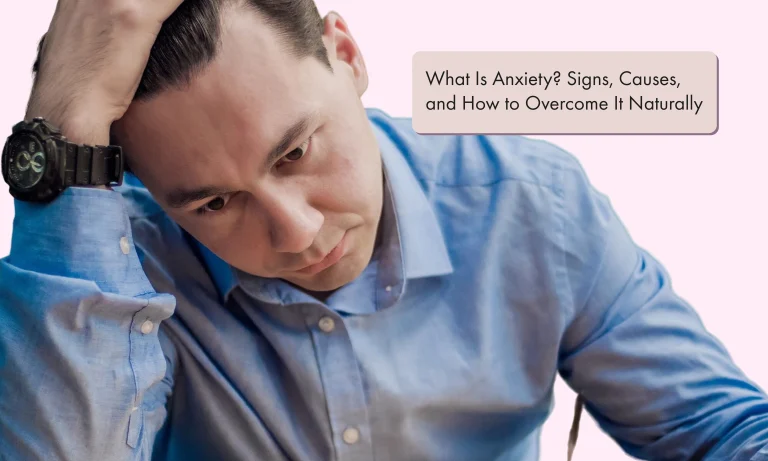
What Is Anxiety? Signs, Causes, and How to Overcome It Naturally

April 10, 2026 By Geeta

What Is Anxiety

In today’s fast-moving world, it is common to feel overwhelmed, stressed, or constantly worried. Many people often ask themselves, what is anxiety, especially when these feelings begin to interfere with everyday life. While occasional worry is a natural human response, persistent anxiety can affect both mental and physical well-being.

Understanding what anxiety is is the first step toward managing it effectively. When you begin to recognize how your mind and body respond to stress, it becomes easier to take control and gradually reduce anxiety through simple and consistent practices.

What Is Anxiety and Why Does It Happen?

To understand what anxiety is, it helps to see it as the body’s natural alarm system. It prepares you to deal with challenges by increasing alertness and focus. However, this system can sometimes become overactive, reacting even when there is no real danger.

Anxiety often develops as a response to uncertainty, pressure, or past experiences. The brain is designed to protect you, but in modern life, it may interpret everyday situations like deadlines or social interactions as threats. This is why many people experience anxiety symptoms even in safe environments.

The causes of anxiety are not always simple. They usually involve a mix of biological factors, life experiences, and thought patterns. When these factors combine, the mind may stay in a constant state of alertness, making it harder to relax.

Common Anxiety Symptoms You Should Not Ignore

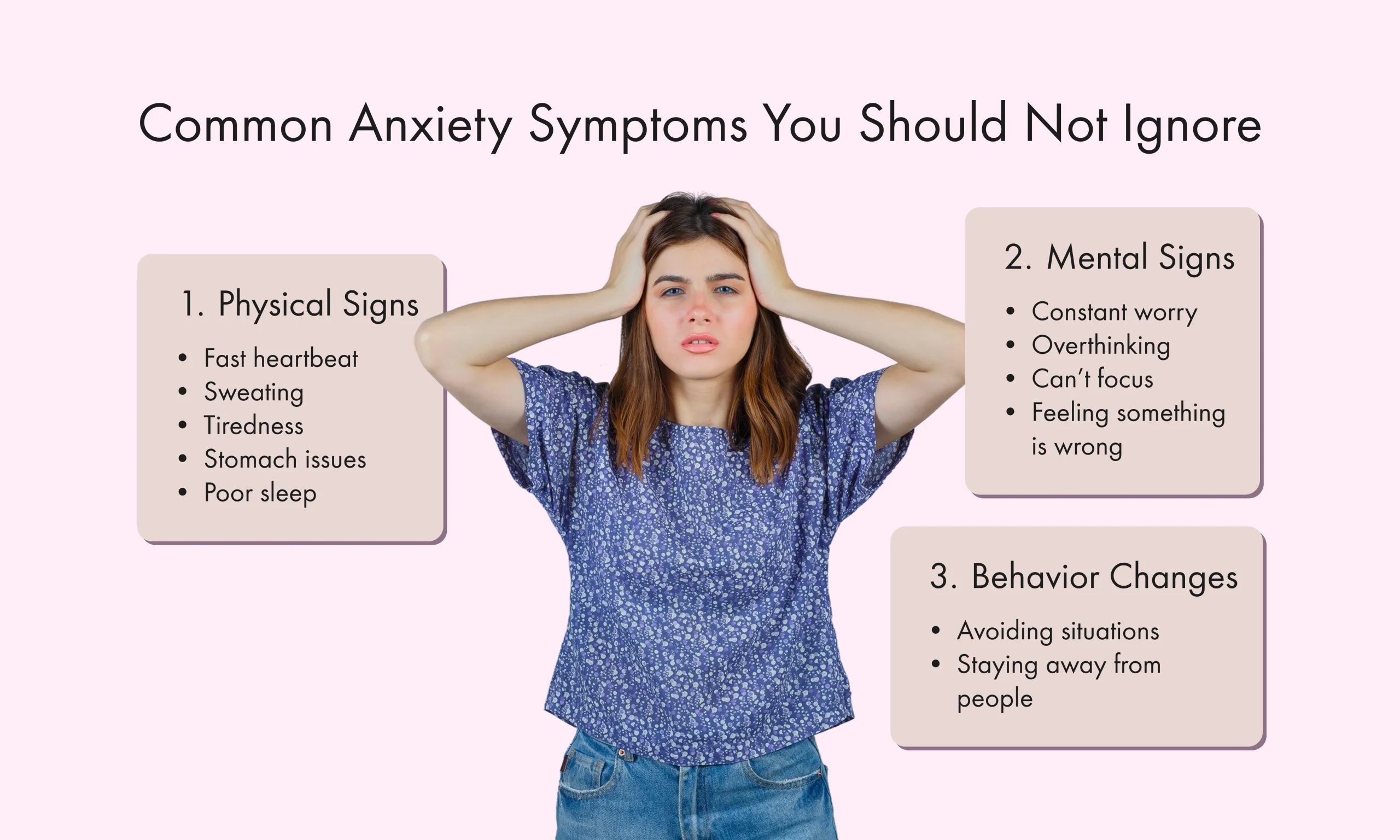
Recognizing early anxiety symptoms can help prevent them from becoming overwhelming. These symptoms can show up in different ways, affecting the body, thoughts, and behavior.

Physically, anxiety may appear as a racing heartbeat, sweating, fatigue, or digestive discomfort. Some people also experience restlessness or difficulty sleeping. Mentally, it often shows up as constant worry, difficulty concentrating, or a sense that something is about to go wrong.

What Is Anxiety

Over time, these symptoms can become more intense and may lead to severe anxiety if left unaddressed. Behavioral changes such as avoiding certain situations or withdrawing from social interactions are also common signs that should not be ignored.

What Are the Common Causes of Anxiety?

Understanding the causes of anxiety can make it easier to manage your emotional responses. Anxiety rarely has a single cause; instead, it develops through a combination of internal and external factors.

Biological factors such as brain chemistry and genetics can make some individuals more prone to anxiety. Environmental influences, including stressful life events, work pressure, or relationship challenges, also play a major role.

Lifestyle habits, such as poor sleep, excessive screen time, or high caffeine intake, can further increase stress levels. When these elements come together, they create a cycle that makes it harder to reduce anxiety naturally.

How Anxiety Works in the Brain

To truly understand what anxiety is, it helps to look at how the brain processes it. The amygdala, often called the brain’s alarm centre, detects potential threats and triggers a response. This leads to the release of stress hormones like adrenaline and cortisol.

At the same time, the prefrontal cortex – the rational part of the brain, tries to calm this reaction. However, during anxiety, this balance is disrupted, making it difficult to think clearly or stay calm.

This is why mindfulness for anxiety is often recommended. It helps strengthen the brain’s ability to regulate emotional responses and brings attention back to the present moment, reducing the intensity of anxious thoughts.

How to Recognize When Anxiety Becomes a Problem

Not all anxiety is harmful, but it becomes a concern when it starts interfering with daily life. If you find yourself constantly worried, unable to relax, or avoiding situations, it may be a sign that anxiety has gone beyond normal levels.

When anxiety begins to affect work, relationships, or overall well-being, it may also lead to long-term challenges. Recognizing these patterns early is important for overcoming anxiety and preventing it from taking control of your routine.

If these feelings persist for months or feel overwhelming, seeking guidance or support can be an important step toward recovery.

From Understanding Anxiety to Finding Inner Calm

Moving from understanding what anxiety is to actually managing it requires small but consistent efforts. Simple practices such as deep breathing, regular movement, and mindful awareness can help calm the nervous system.

Focusing on the present moment instead of future worries allows the mind to slow down. Over time, these habits help reduce anxiety and build emotional balance.

The journey of overcoming anxiety is not about eliminating stress completely but about learning how to respond to it differently. With patience and consistency, it becomes possible to create a calmer and more grounded state of mind.

Conclusion

Understanding what anxiety is is the beginning of a deeper journey toward self-awareness and emotional balance. While anxiety can feel overwhelming at times, small and consistent changes can help you gradually reduce anxiety and regain control over your thoughts and emotions.

If you are looking to understand your inner patterns more deeply and shift from stress to clarity, The Game of Change by Geeta Ramakrishnan offers valuable insights into self-awareness, mindset shifts, and personal growth. The book guides you toward understanding your responses and building a healthier relationship with your thoughts.

If this resonates with you, you can grab your copy online to explore practical tools that support long-term emotional well-being and inner calm.

FAQs

Yes, anxiety is closely related to fear, but it usually focuses on future uncertainties rather than immediate danger.

The root cause of anxiety varies for each person and may include biological factors, past experiences, and lifestyle habits.

Poor sleep, excessive stress, negative thinking patterns, and lack of relaxation can make anxiety worse over time.

Filed Under: Emotions

How to Rewire the Anxious Brain for a Calmer Mind

March 31, 2026 By Geeta

rewiring the anxious brain

Anxiety doesn’t just appear out of nowhere; it builds through repeated thoughts, habits, and responses over time. When your mind gets used to reacting with fear or stress, it starts to feel automatic. This is why rewiring the anxious brain becomes such an important step toward feeling calmer.

The good news is that your brain is not fixed. With consistent effort and small daily changes, it can adapt and form new patterns that support calmness instead of anxiety. This shift doesn’t happen instantly, but it is possible and it starts with understanding how your mind works.

What Does It Mean to Rewire Your Brain for Anxiety?

At its core, rewiring the anxious brain means changing how your brain responds to stress and fear. Your brain constantly builds connections based on your thoughts and behaviors. When anxiety is repeated, those pathways become stronger.

But the same process can work in your favor. Through rewiring brain patterns, you begin to create new responses that feel safer and more balanced. Instead of reacting instantly with panic, your mind learns to pause and process situations differently.

This process is often described as training your brain rather than fixing it. When you consciously choose new ways to think and respond, you slowly rewire your brain patterns that no longer serve you. Over time, these new pathways become your default.

It’s important to understand that you don’t erase old patterns – you simply build stronger, healthier ones. This is where practices like mindfulness, breathing, and awareness play a key role in reprogramming brain anxiety naturally.

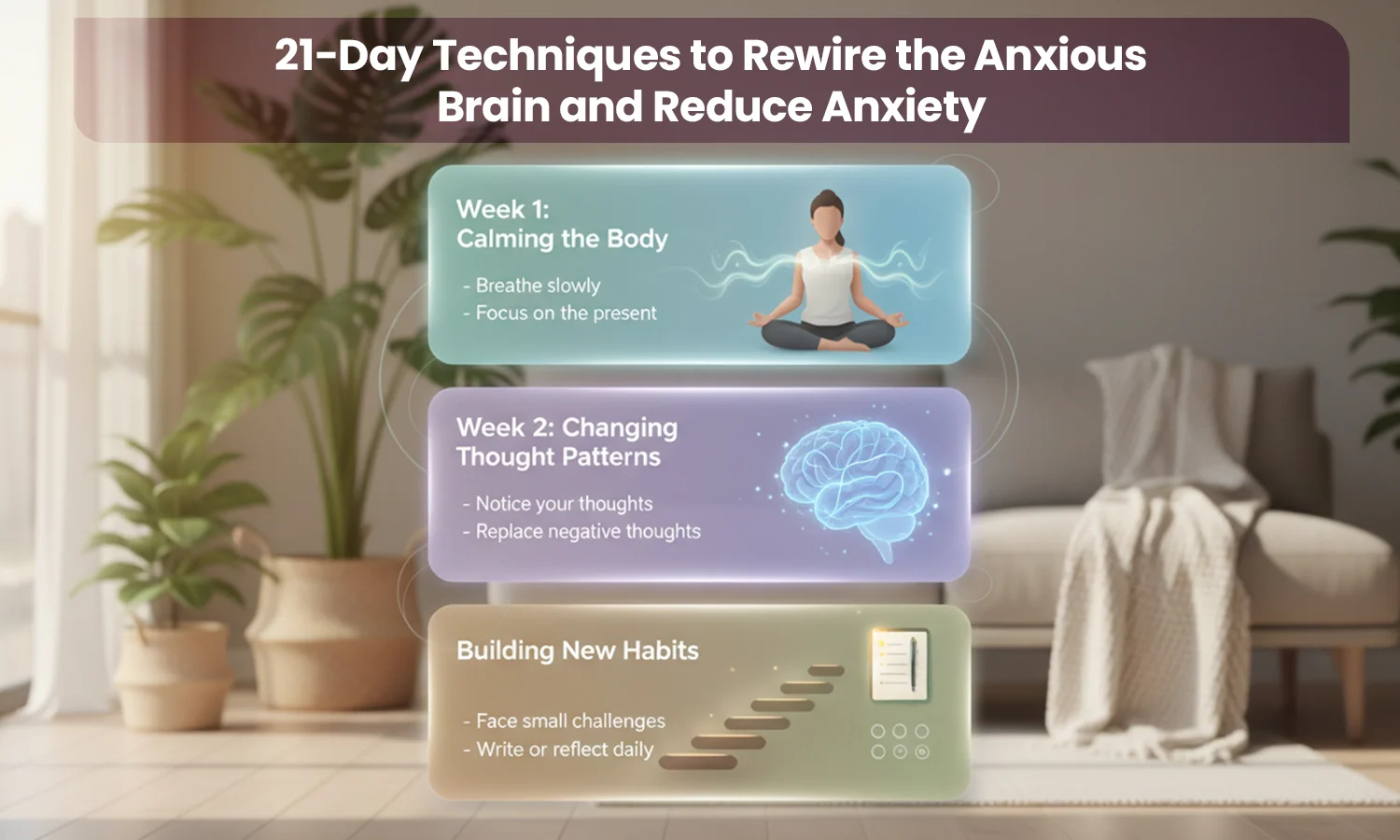
21-Day Techniques to Rewire the Anxious Brain and Reduce Anxiety

A structured approach can make rewiring the anxious brain feel more achievable. While change takes time, a focused 21-day routine can help you build the foundation for long-term results.

rewiring the anxious brain

Week 1: Calming the Body

The first step is to calm your physical response. Anxiety often starts in the body before it becomes a thought.

Practicing deep breathing helps slow down your nervous system. Techniques like slow inhaling and extended exhaling signal safety to your brain. This is one of the simplest brain rewiring techniques that can be practiced anywhere.

You can also try grounding exercises that bring your attention back to the present moment. These small actions begin to reduce anxiety by shifting focus away from fear.

Week 2: Changing Thought Patterns

Once your body feels calmer, the next step is to work on your thoughts. Anxiety often grows from repeated negative thinking.

Start by observing your thoughts without reacting immediately. When you question them, you begin to weaken their hold. This is where you start to rewrite your anxious brain patterns in a more supportive way.

Replacing extreme thoughts with realistic ones helps your brain feel more stable. Over time, this practice changes how your mind interprets situations.

Week 3: Building New Habits

The final phase focuses on reinforcing new behaviors. Small actions repeated daily can shift how your brain responds to stress.

Facing situations gradually instead of avoiding them helps your mind feel more confident. This step is essential in anxiety rewiring your brain processes because it proves that you can handle discomfort.

Simple habits like journaling, gratitude, or mindful pauses can also support 21 days to rewire your brain routines. These habits create consistency, which is key for long-term change.

Building a Calmer Mind Through Brain Rewiring

Creating a calm mind is not about eliminating stress completely. It’s about learning how to return to balance more easily.

As you continue rewiring the anxious brain, your responses begin to shift naturally. You become more aware of your thoughts, more intentional with your reactions, and less controlled by fear.

Over time, your mind starts to feel less reactive and more stable. You notice that situations that once triggered anxiety no longer feel as overwhelming. This gradual change is what makes the process sustainable.

The key is consistency. Even small daily efforts contribute to a long-term shift in how your brain functions. With patience and practice, calmness becomes something you experience more often, not something you chase.

Conclusion

Rewiring your mind is not about quick fixes; it’s about creating lasting change through awareness, consistency, and small daily actions. As you continue rewiring the anxious brain, you begin to experience a quieter, more balanced state of mind that supports your overall well-being.

If you want to understand this transformation more deeply, The Game of Change by Geeta offers powerful insights into how thoughts, habits, and mindset shape your life. It provides simple yet effective perspectives that can help you take control of your emotional patterns and build a calmer inner state. You can grab your copy online to explore these ideas in a more practical and meaningful way.

FAQs

It means changing the way your brain responds to situations by building new thought patterns and behaviors that support calmness instead of stress.

Your brain may be used to reacting with anxiety due to repeated patterns. With consistent practice, you can train it to respond differently over time.

Yes, the brain has the ability to change through consistent habits and practices. With time and effort, it can develop healthier responses to stress.

Filed Under: Emotions

From Victim to Hero: A Journey to Anxiety-Free Living

March 30, 2026 By Geeta

Journey to Anxiety-Free Living

There are days when everything feels overwhelming. Your thoughts race, your energy drops, and even small tasks feel heavy. In moments like these, it’s easy to feel stuck, as if life is happening to you rather than for you. This is where the idea of a Journey to Anxiety-Free Living begins, not by removing stress entirely, but by changing how you relate to it.

Often, anxiety grows stronger when we feel powerless. But what if the shift isn’t about controlling everything around you, but about understanding how you respond? That subtle shift can slowly move you from feeling trapped to feeling in control.

Victim Mindset Warning Signs as Per The Game of Change

A victim mindset doesn’t always appear dramatically. It builds quietly through everyday thoughts and reactions. You might notice it in the way you respond to setbacks or how often you feel things are out of your control.

It often begins with blame. When situations don’t go as expected, the mind looks outward – circumstances, people, or timing become the reason. Over time, this creates a belief that life is unfair or that challenges are personal.

Another sign is the inner dialogue you carry. If your thoughts frequently sound like “nothing works for me” or “this always happens to me,” they slowly shape your emotional state. Without realizing it, these patterns reinforce stress and keep you stuck in the same loop.

You may also notice how this mindset affects your relationships. Constant frustration or negativity can drain not just your energy but also the energy of those around you. What makes it more challenging is that many people are unaware they are in this cycle.

Recognizing these patterns is powerful. It opens the door to overcoming negative thinking patterns and allows you to step out of automatic reactions into more conscious choices.

Also Read:7 Common Anxiety Symptoms: Signs Your Mind Is Under Stress

From Victim to Hero: How Taking Responsibility Changes Your Life

The real turning point in life often comes when you begin taking responsibility for your life, but not in a way that blames you, but in a way that empowers you.

When you shift your mindset, something interesting happens. You stop asking, “Why is this happening to me?” and begin asking, “What can I do next?” That single question moves your mind from feeling stuck to finding solutions.

This shift builds a quiet strength within you. Instead of reacting instantly to situations, you begin to pause, observe, and respond thoughtfully. Over time, this creates a sense of stability that anxiety cannot easily shake.

It also changes the story you tell yourself. Instead of seeing yourself as someone stuck in circumstances, you begin to see yourself as someone learning, adapting, and growing through them. This shift plays a key role in how to develop emotional resilience, especially during uncertain or stressful phases.

As you grow into this mindset, your interactions with others also change. You no longer depend on external validation or rescue. Instead, you show up with clarity, which naturally improves relationships and builds stronger connections.

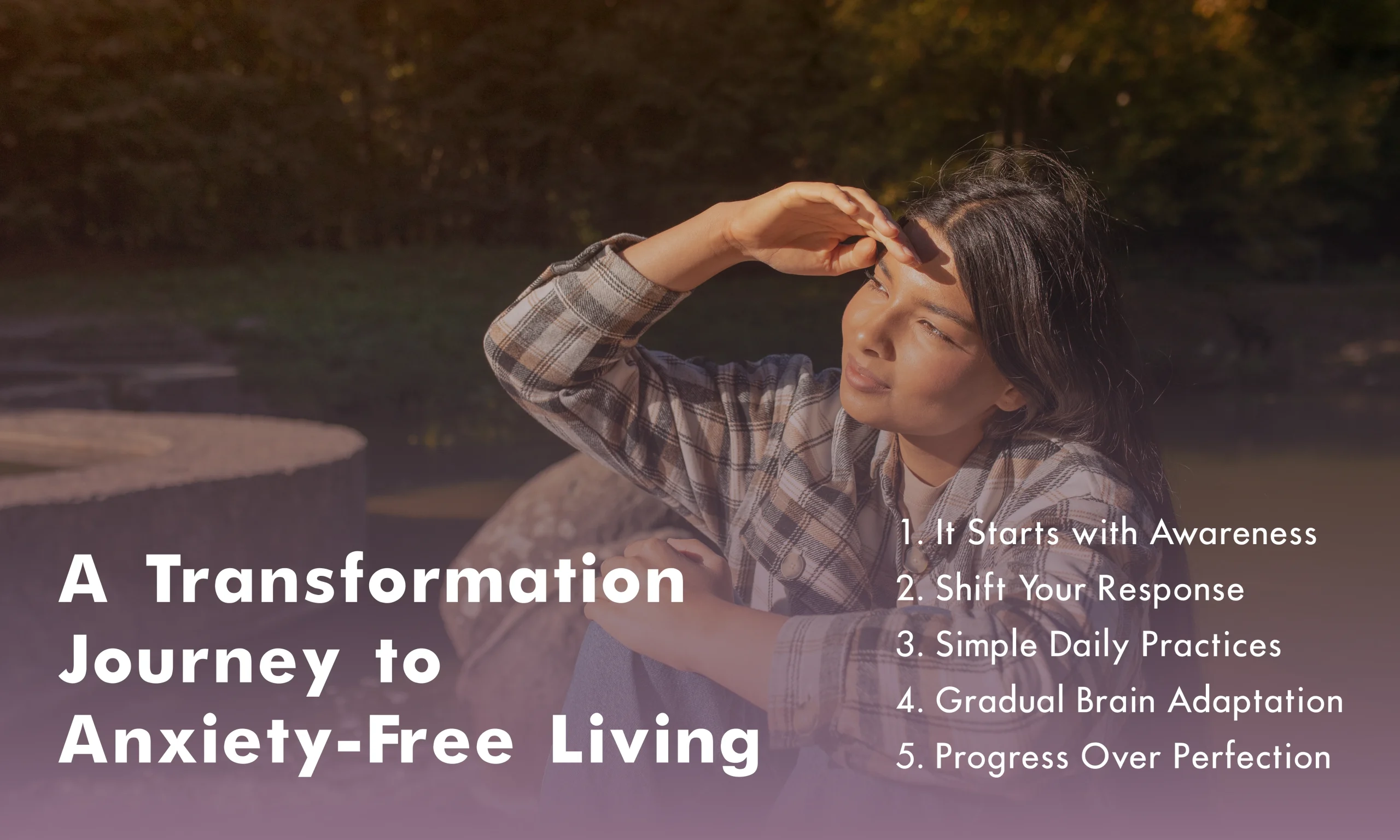
A Transformation Journey to Anxiety-Free Living

Journey to Anxiety-Free Living

A true Journey to Anxiety-Free Living is not about avoiding stress – it’s about learning how to navigate it differently. This journey unfolds in small, consistent steps rather than one big change.

It begins with awareness. When you start noticing your thoughts instead of getting carried away by them, you create space between the trigger and your reaction. That space is where change begins.

The next step is choosing a different response. Even in challenging moments, you can shift from reacting emotionally to responding consciously. This may feel difficult at first, but with practice, it becomes more natural.

Simple practices can support this transformation. Slowing down your breath, stepping away from overwhelming situations, or writing down your thoughts can help bring clarity. These small actions calm the mind and allow you to think more clearly.

Over time, your brain starts adapting to these changes. What once triggered anxiety may begin to feel manageable. You start feeling more grounded, more aware, and more in control of your emotional state.

This is what makes the Journey to Anxiety-Free Living meaningful – not perfection, but progress. A gradual shift from chaos to clarity.

Conclusion

The shift from victim to hero is not about changing your entire life overnight. It is about small, consistent changes in how you think, respond, and take ownership of your experiences. When you begin to take control of your responses, you naturally move closer to a calmer and more balanced state of mind, making your Journey to Anxiety-Free Living feel more achievable and real.

If you’re looking to explore this transformation more deeply, The Game of Change by Geeta offers powerful insights into breaking limiting patterns and building a more empowered mindset. It brings together practical ideas and relatable perspectives that help you understand your thoughts and emotions better. You can grab your copy online to start applying these concepts in your everyday life.

FAQs

Living completely free of anxiety may not be realistic, but managing it effectively is possible. Building awareness, practicing calm responses, and creating healthy routines can help you feel more balanced and in control.

Recovery time can vary from person to person. Some may feel relief within minutes, while others may take longer. Breathing exercises and grounding techniques can help the body return to a calmer state.

Anxiety can show up as rapid heartbeat, restlessness, constant worry, fatigue, and difficulty concentrating. These symptoms can feel intense, but can be managed with the right techniques and support.

Filed Under: Emotions

Are Fear And Anxiety The Same? Understanding The Differences

March 27, 2026 By Geeta

fear and anxiety

Many people use the terms fear and anxiety interchangeably, assuming they refer to the same emotional experience. Although these feelings may seem similar, they actually represent two different psychological responses.

Understanding fear and anxiety can help individuals recognize what they are experiencing and respond to it more effectively. Both emotions are part of the brain’s survival system, designed to alert us to potential danger. However, when these reactions become frequent or overwhelming, they can begin to interfere with daily life.

To better understand emotional well-being, it is important to explore the anxiety definition, identify the fear and anxiety difference, and recognize how these emotions influence our thoughts and behaviour.

Are Fear And Anxiety The Same?

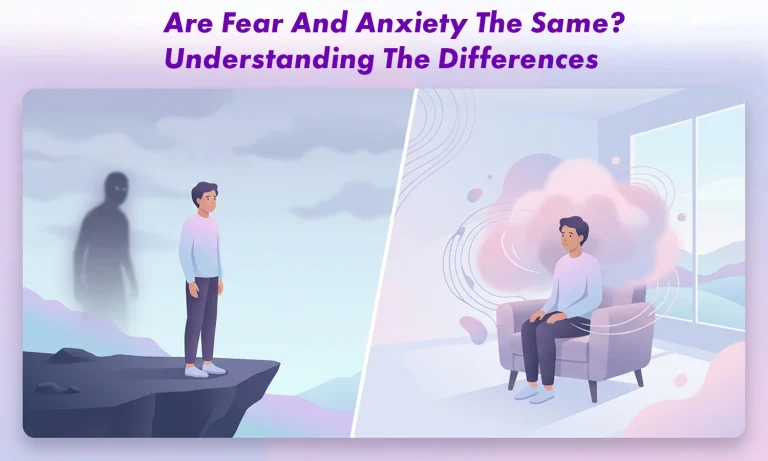
Although closely related, fear and anxiety are not exactly the same. Fear usually arises when a person encounters an immediate and clear threat. Anxiety, on the other hand, tends to occur when someone anticipates a possible future danger.

According to the commonly accepted anxiety definition, anxiety refers to feelings of worry, nervousness, or unease about uncertain events. While fear focuses on the present moment, anxiety is usually connected to what might happen in the future.

For example, seeing a dangerous animal suddenly may trigger fear because the threat is immediate. However, worrying about the possibility of encountering that animal tomorrow is anxiety. Both reactions activate the body’s stress response, but they function in different ways.

Recognizing the difference between fear and anxiety allows people to better understand their emotional responses and address them in a healthy way.

Fear and Anxiety Difference: Understanding the Key Distinction

The fear and anxiety difference becomes clearer when we look at how these emotions affect the mind and body.

Fear is usually short-term and disappears once the danger is gone. It prepares the body for quick action through the fight-or-flight response. Anxiety, however, may last longer because it is often connected to uncertain situations that have not yet occurred.

Another key difference lies in how the brain processes these emotions. Fear is typically triggered by a specific threat, whereas anxiety often develops through repeated thoughts about possible risks.

In many situations, anxiety may be linked to a hidden fear that a person may not immediately recognise. For instance, fear of failure , fear of rejection, or uncertainty can silently trigger anxious thoughts about future events.

Understanding this connection between fear and anxiety can help people become more aware of their emotional patterns and respond to them with greater clarity.

Signs That Fear and Anxiety Are Affecting Your Life

fear and anxiety

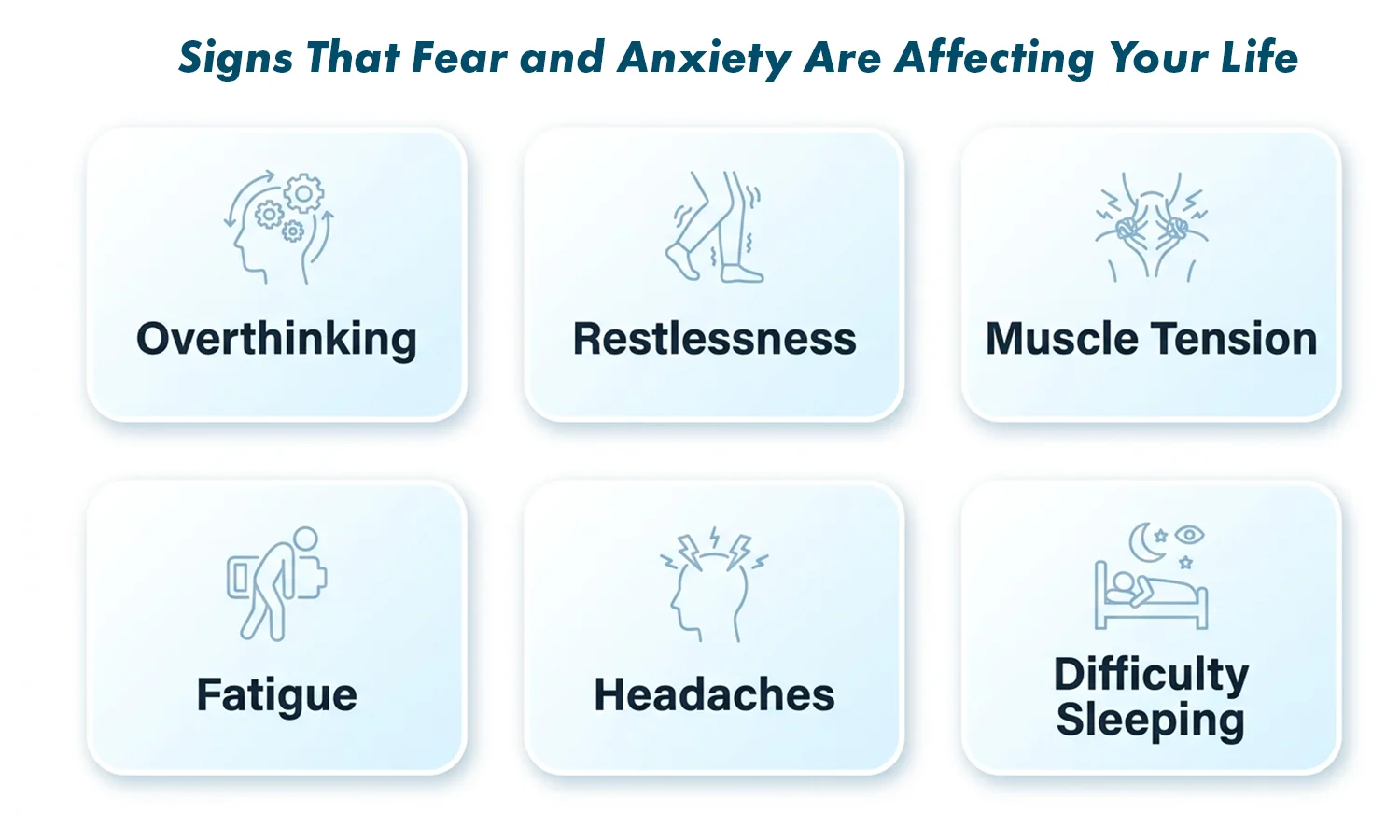
Experiencing fear and anxiety occasionally is a natural part of life. However, when these emotions become persistent, they may start affecting daily activities and emotional well-being.

One common sign is avoidance behaviour. A person might begin avoiding certain places, situations, or opportunities because they feel uncomfortable or worried about possible outcomes.

Difficulty concentrating is another indicator. Constant worry or overthinking can make it challenging to focus on tasks at work, school, or home.

Physical symptoms may also appear. These can include restlessness, muscle tension, fatigue, headaches, or difficulty sleeping. These reactions happen because the body remains in a prolonged state of alertness.

Recognising when fear and anxiety start affecting daily routines is an important step toward improving emotional health.

Conclusion: Breaking the Cycle of Fear and Anxiety

Understanding the difference between fear and anxiety is an important step toward improving emotional well-being. While both emotions are natural protective responses, persistent worry or fear can create unnecessary stress and affect everyday life.

Developing self-awareness, practising healthy coping strategies, and learning to observe emotional triggers can help individuals manage fear and anxiety more effectively.

For readers interested in exploring deeper insights into emotional awareness and personal growth, the book The Game of Change by Geeta Ramakrishnan offers valuable perspectives. The ideas shared in the book encourage readers to observe their thoughts, understand emotional patterns, and develop healthier ways of responding to stress and uncertainty in daily life.

FAQs

Overcoming fear and anxiety often involves identifying triggers, practising mindfulness, developing positive thinking habits, and seeking professional support when needed.

Fear is an emotional response to an immediate threat, while anxiety refers to worry or unease about possible future dangers.

Fear usually appears in response to a direct threat, while anxiety develops when the mind anticipates potential risks or uncertain outcomes.

Fear can feel stronger in the moment because it prepares the body for immediate action. Anxiety may last longer because it is connected to ongoing worry about future events.

Filed Under: Emotions

How Does Anxiety Affect Daily Life?

March 26, 2026 By Geeta

Does Anxiety Affect Daily Life

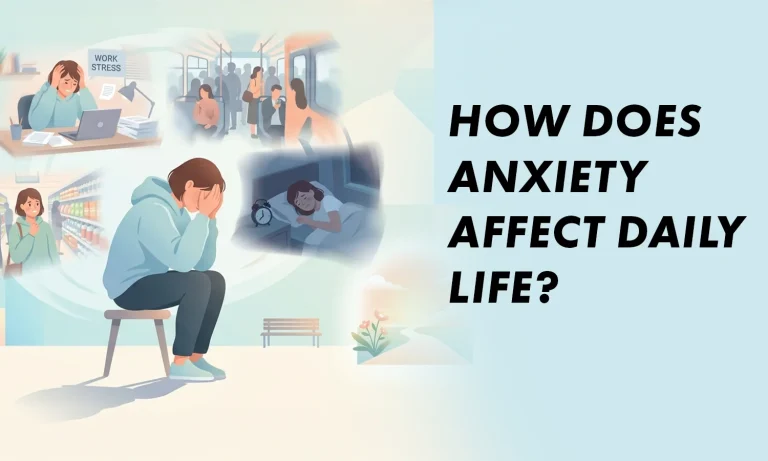
Many people wonder, does anxiety affect daily life in ways that go beyond occasional worry or stress. Anxiety is a natural response to challenging situations, but when it becomes persistent, it can start interfering with everyday activities, relationships, and overall well-being.

Understanding how anxiety affects daily life is important because long-term anxiety can influence both mental and physical health. When people begin to ask if anxiety affects daily life, they often realize that anxiety can impact productivity, emotions, and physical health more than they initially expected.

Understanding Anxiety and Its Impact on Daily Life

To understand if anxiety affects daily life, it is important to recognize that anxiety is more than temporary stress. It is a condition that can influence how people think, feel, and behave.

People experiencing symptoms of anxiety disorder often struggle with excessive worry, restlessness, difficulty concentrating, and persistent fear about everyday situations. These symptoms can affect productivity, decision-making, and emotional stability.

One of the most noticeable effects of anxiety on mental health is constant mental fatigue. When the brain is always focused on potential threats or worries, it becomes difficult to stay present and enjoy daily experiences. Understanding How Anxiety Affects Daily Life helps individuals realize that anxiety is not simply a personality trait but a condition that deserves attention and proper care.

Can A Person With Anxiety Live A Normal Life?

Many people ask if anxiety affects daily life so severely that living normally becomes difficult. The truth is that many individuals with anxiety continue to lead fulfilling and productive lives.

Learning effective anxiety coping strategies can make a significant difference in managing symptoms. Techniques such as mindfulness, breathing exercises, therapy, and supportive relationships help individuals regain emotional balance.

Although anxiety can create temporary challenges, people who actively work on managing their mental health can still pursue careers, maintain relationships, and achieve personal goals even when anxiety affects daily life.

What Are The Effects Of Anxiety On The Body?

Does Anxiety Affect Daily Life

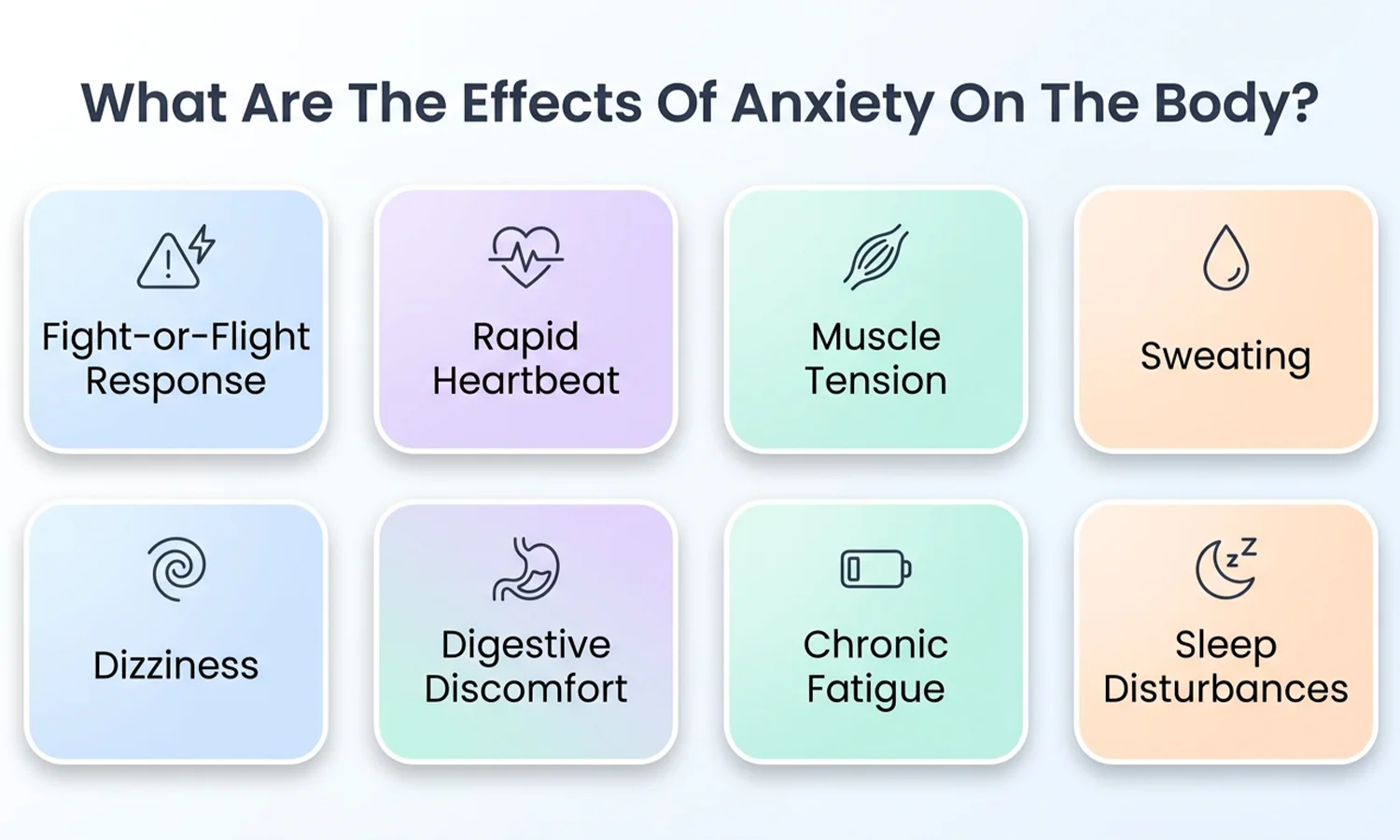
Another important way anxiety affects daily life is through physical health. Anxiety activates the body’s fight-or-flight response, preparing the body to react to perceived threats.

This response can lead to several physical symptoms of anxiety, including rapid heartbeat, muscle tension, sweating, dizziness, and digestive discomfort.

When anxiety persists for long periods, it may contribute to the long-term effects of anxiety, such as chronic fatigue, sleep disturbances, weakened immunity, and headaches. These physical reactions clearly show that anxiety affects daily life not only emotionally but also physically.

What Is The Root Cause Of Anxiety?

Understanding the causes behind anxiety helps answer the question: does anxiety affect daily life for so many individuals? Anxiety rarely develops from a single cause and usually results from a combination of biological, psychological, and environmental factors.

Genetics may play a role, as anxiety disorders sometimes run in families. Brain chemistry can also contribute when neurotransmitters responsible for mood regulation become imbalanced.

Life experiences such as trauma, stressful environments, or long-term pressure can also trigger anxiety. Recognizing these causes helps people understand if anxiety affects daily life differently for every individual.

Also Read:Types of Fear: How They Shape Our Behaviour and Decision-Making

How Do You Fix Anxiety Problems?

When people start noticing that anxiety affects daily life, they often begin searching for ways to manage it effectively. Although anxiety may not disappear overnight, several strategies can help reduce its impact.

One helpful method is learning how to calm anxiety naturally through practices such as meditation, deep breathing, and physical activity. These techniques help regulate the nervous system and reduce stress responses.

Therapy, particularly Cognitive Behavioral Therapy (CBT), is widely recommended because it helps individuals identify negative thought patterns and replace them with healthier perspectives.

Lifestyle adjustments such as better sleep habits, balanced nutrition, and limiting caffeine can also support emotional stability and reduce the impact of anxiety affecting daily life over time.

Conclusion

Understanding how anxiety affects daily life is an important step toward improving emotional well-being and overall quality of life. Anxiety can influence work performance, relationships, and physical health, but awareness and proper coping methods can help people regain control.

Practicing self-care, developing healthy coping techniques, and seeking guidance when needed can make a significant difference in managing anxiety effectively.

For readers interested in exploring deeper insights into emotional awareness and personal growth, the book The Game of Change by Geeta Ramakrishnan offers meaningful reflections on understanding thoughts, emotions, and life challenges. The book encourages readers to observe their mental patterns and develop healthier ways of responding to stress and anxiety in everyday life.

FAQs

Yes. Many people with anxiety live long and healthy lives. With proper care, lifestyle adjustments, and emotional support, anxiety can be effectively managed.

Yes, anxiety disorders are classified as mental health conditions that involve persistent worry and fear that interfere with daily life.

Yes. With therapy, coping strategies, and consistent self-care, many individuals recover emotional balance and feel normal again after anxiety.

Filed Under: Emotions

Does Overthinking Increase Anxiety Levels and How To Manage?

March 25, 2026 By Geeta

Does Overthinking Increase Anxiety

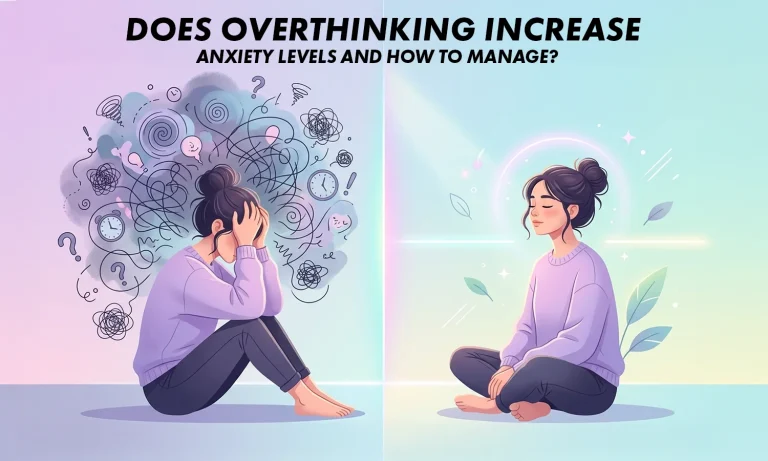
Many people experience moments when their thoughts keep repeating the same worries again and again. Questions like “What if something goes wrong?” or “Did I make the right decision?” can easily spiral into constant mental loops. This leads many people to wonder: Does Overthinking Increase Anxiety?

Overthinking often starts as an attempt to solve a problem or prepare for possible outcomes. However, instead of bringing clarity, it can create confusion, emotional stress, and mental exhaustion. When thoughts repeatedly focus on worst-case scenarios, the mind becomes trapped in worry rather than moving toward solutions.

Understanding whether Overthinking Increases Anxiety is important because it helps us recognize how our thoughts influence emotional well-being.

Why Do We Overthink? Understanding the Mind Behind Anxious Thoughts

Does Overthinking Increase Anxiety

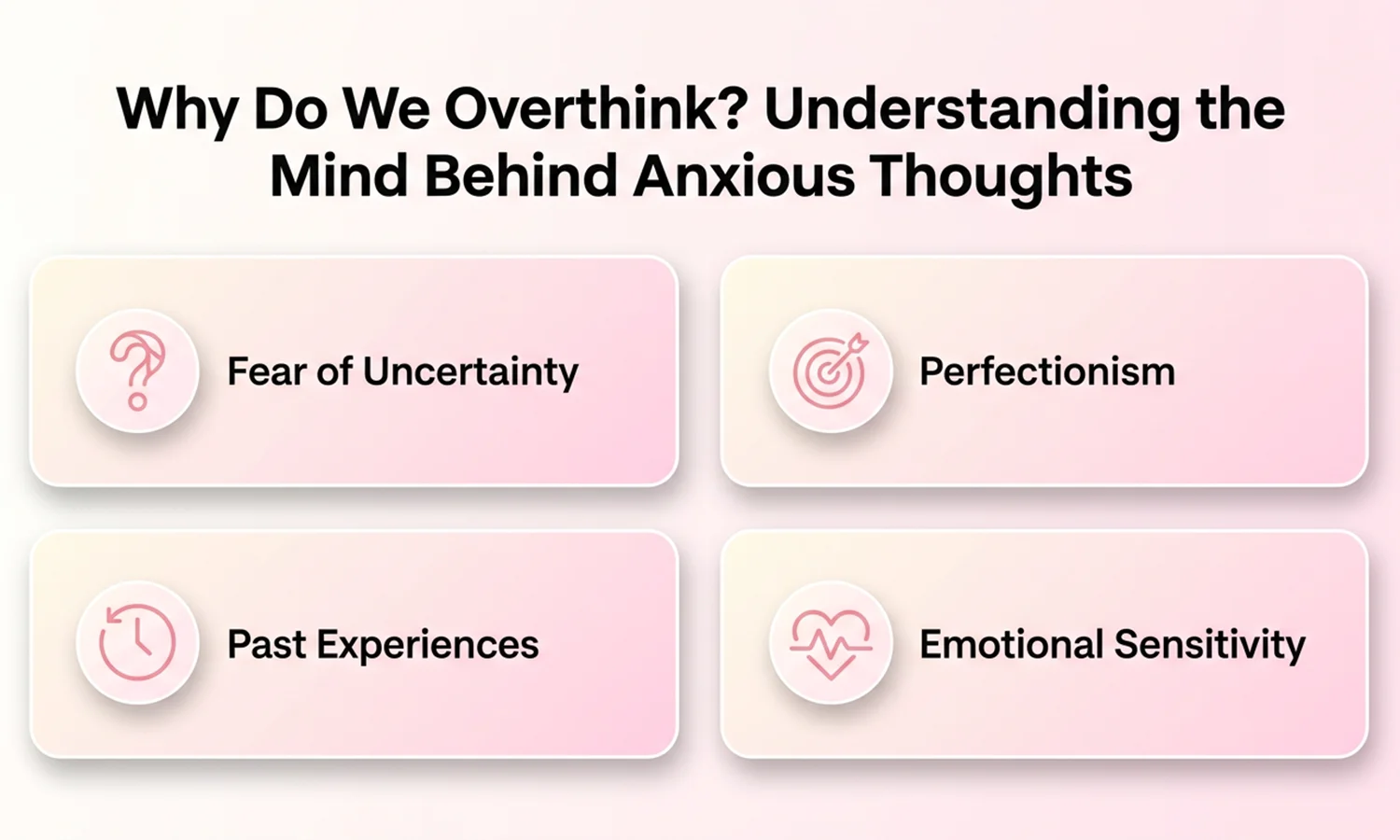
Overthinking is not simply a bad habit. In many cases, it is the brain’s attempt to protect us from potential danger or mistakes. The mind tries to analyze situations repeatedly to ensure that nothing goes wrong.

However, this process can backfire. Instead of finding answers, the brain keeps searching for possibilities, creating anxiety caused by overthinking.

Several factors contribute to this pattern:

Fear of Uncertainty

Some people find it difficult to accept situations that are unclear or unpredictable. The mind keeps analyzing different outcomes in an attempt to gain certainty.

Perfectionism

When people feel pressured to make the “perfect” decision, they may replay situations again and again in their minds.

Past Experiences

Past negative experiences or failures can make the brain more cautious, leading to repeated thinking about future possibilities.

Emotional Sensitivity

Individuals who are highly aware of their emotions may experience stronger reactions to stressful situations, which can lead to dealing with overthinking and anxiety on a daily basis.

Does Overthinking Increase Anxiety Levels?: How Overthinking Creates Anxiety in the Brain

Yes, research and psychological studies show that overthinking and anxiety are closely connected. Overthinking can activate the brain’s stress response and trigger physical reactions in the body.

The brain’s amygdala, which processes fear and emotional responses, becomes more active during constant worrying. This causes the body to release stress hormones such as cortisol and adrenaline.

As a result, people may experience symptoms like:

  • Increased heart rate
  • Muscle tension
  • Difficulty concentrating
  • Trouble sleeping
  • Restlessness

When these reactions occur frequently, the mind begins to associate everyday situations with danger or stress. This creates a cycle where Overthinking Increases Anxiety becomes a repeating pattern.

In some cases, individuals may search for the best medicine for overthinking, but many mental health experts emphasize that lifestyle practices and awareness often play a significant role in managing these thoughts.

Simple Tricks to Stop Overthinking

Does Overthinking Increase Anxiety

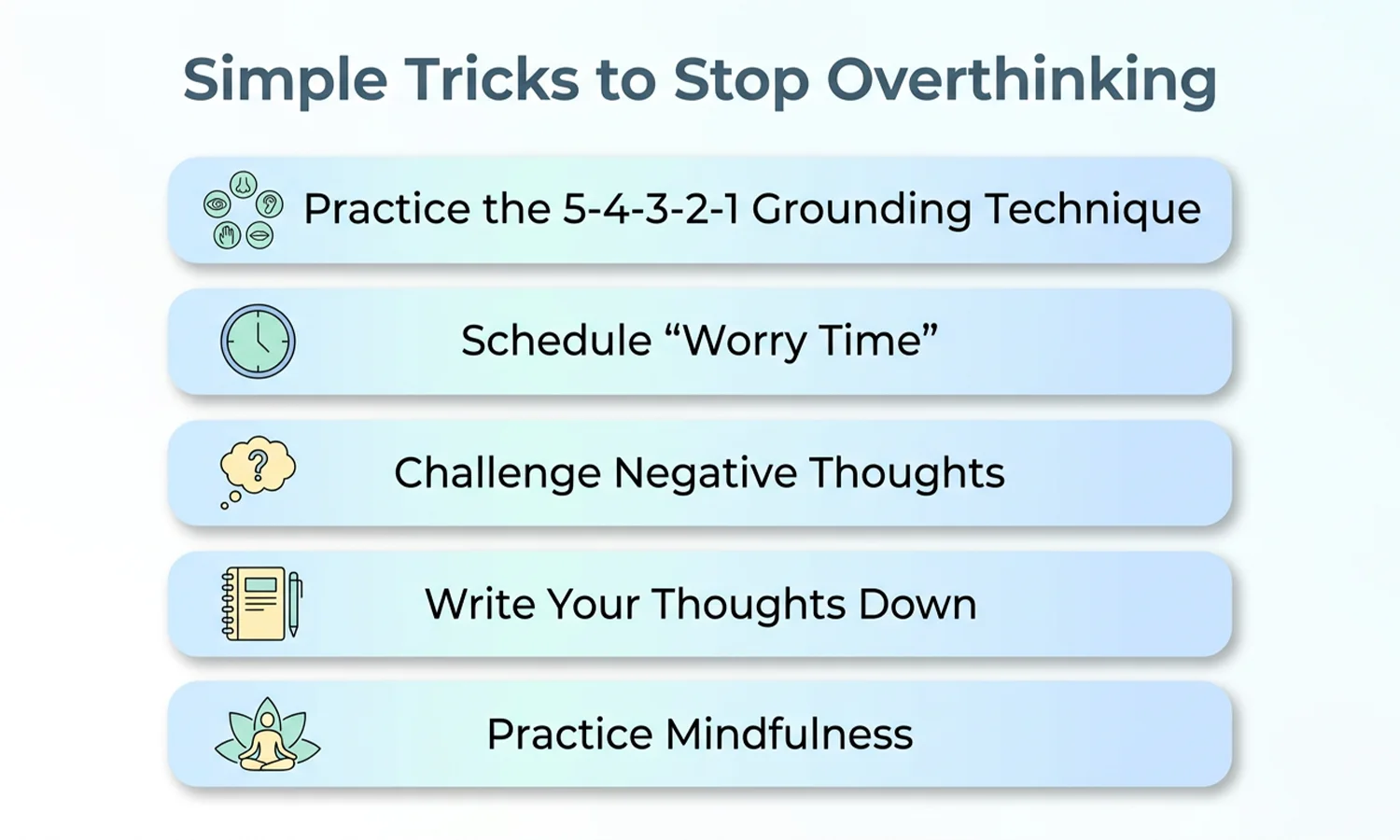
Breaking the cycle of repetitive thoughts requires small actions that interrupt the mental loop. Here are some tricks to stop overthinking that can help calm the mind.

Practice the 5-4-3-2-1 Grounding Technique

This technique helps bring your attention back to the present moment.

Identify:

  • 5 things you can see
  • 4 things you can touch
  • 3 things you can hear
  • 2 things you can smell
  • 1 thing you can taste

Grounding exercises shift the brain away from worry and into awareness.

Schedule “Worry Time”

Instead of worrying throughout the day, choose a specific 15-minute period to reflect on your concerns. When worries appear outside that time, remind yourself you will address them later.

Challenge Negative Thoughts

Ask yourself whether your thoughts are based on facts or assumptions. Many worries come from imagined scenarios rather than real evidence.

Write Your Thoughts Down

A “brain dump” can help release mental pressure. Writing down your worries allows the brain to stop replaying them repeatedly.

Practice Mindfulness

Mindfulness for overthinking helps individuals observe their thoughts without reacting emotionally. Simple breathing exercises or meditation can reduce mental noise.

These techniques help people learn how to stop overthinking by gradually retraining their thought patterns.

Is Your Mind Stuck in Overthinking Mode? Here’s How to Take Back Control

When the brain is trapped in constant thinking, it often feels like there is no way to stop the cycle. However, regaining control begins with awareness.

The first step is recognizing when your mind has shifted into repetitive thinking. Instead of engaging with every thought, try observing it without judgment.

Focus on actions that bring you back into the present moment, such as walking, stretching, or completing small tasks. These activities remind the brain that it is safe to relax.

Over time, practicing these strategies helps individuals respond to stressful thoughts more calmly and prevents overthinking from controlling daily life.

Also Read:Types of Fear: How They Shape Our Behaviour and Decision-Making

Conclusion

Overthinking can often feel like an attempt to solve problems or prepare for challenges. However, when thoughts repeat endlessly without resolution, they can increase emotional stress and trigger anxiety.

Learning to notice these patterns and using simple strategies such as grounding techniques, mindfulness, and writing down worries can help reduce the mental pressure created by repetitive thinking.

For readers who want to explore deeper insights into understanding thoughts, emotions, and personal growth, the book The Game of Change by Geeta Ramakrishnan offers meaningful reflections on self-awareness and emotional balance. The ideas shared in the book encourage readers to observe their mental patterns and develop healthier ways of responding to stress and anxiety in everyday life.

FAQs

Deep breathing, grounding exercises, and physical movement can quickly reduce stress by calming the body’s nervous system.

Common triggers include stress, uncertainty, past experiences, lack of sleep, and excessive worrying about future situations.

With awareness, healthy coping techniques, and support when needed, many people learn to manage anxiety effectively and experience greater emotional balance.

Filed Under: Emotions

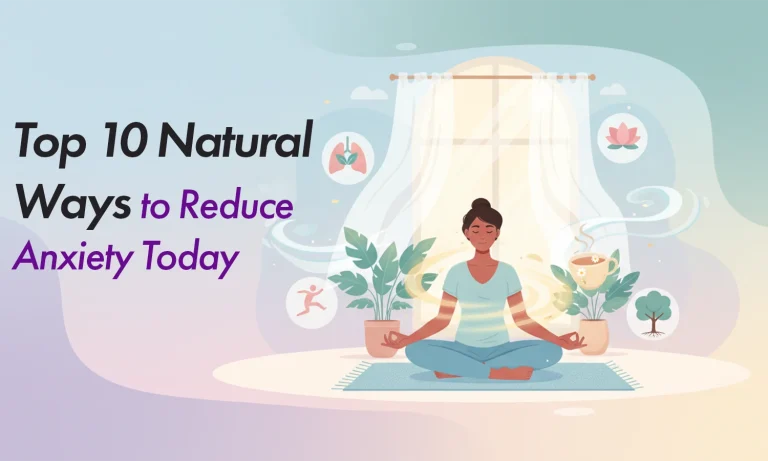
Top 10 Natural Ways to Reduce Anxiety Today

March 24, 2026 By Geeta

ways to reduce anxiety

Anxiety is a natural response to stress, but when it becomes frequent, it can interfere with daily life and emotional well-being. Many people today look for ways to reduce anxiety without relying entirely on medication. Lifestyle habits, mindful practices, and supportive environments can help the mind and body return to a balanced state.

Natural approaches are gaining popularity because they focus on long-term emotional stability and overall wellness. By making small changes in everyday routines, individuals can gradually learn how to reduce anxiety naturally and feel more in control of their thoughts and emotions.

Why Opt for Natural Ways to Reduce Anxiety?

Choosing natural approaches to manage anxiety can offer several benefits. These methods focus on improving both mental and physical health while helping people develop stronger coping mechanisms.

One reason people explore ways to reduce anxiety naturally is to avoid potential side effects that may come with certain medications. Natural practices such as exercise, meditation, and healthy nutrition support the body’s natural stress response.

Another advantage is that these strategies build sustainable habits. Instead of temporarily masking symptoms, they help individuals deal with anxiety by understanding their triggers and developing healthier responses.

Natural methods also support overall wellness. Activities such as mindfulness, physical movement, and spending time outdoors can help people calm anxiety naturally while improving mood, energy levels, and mental clarity.

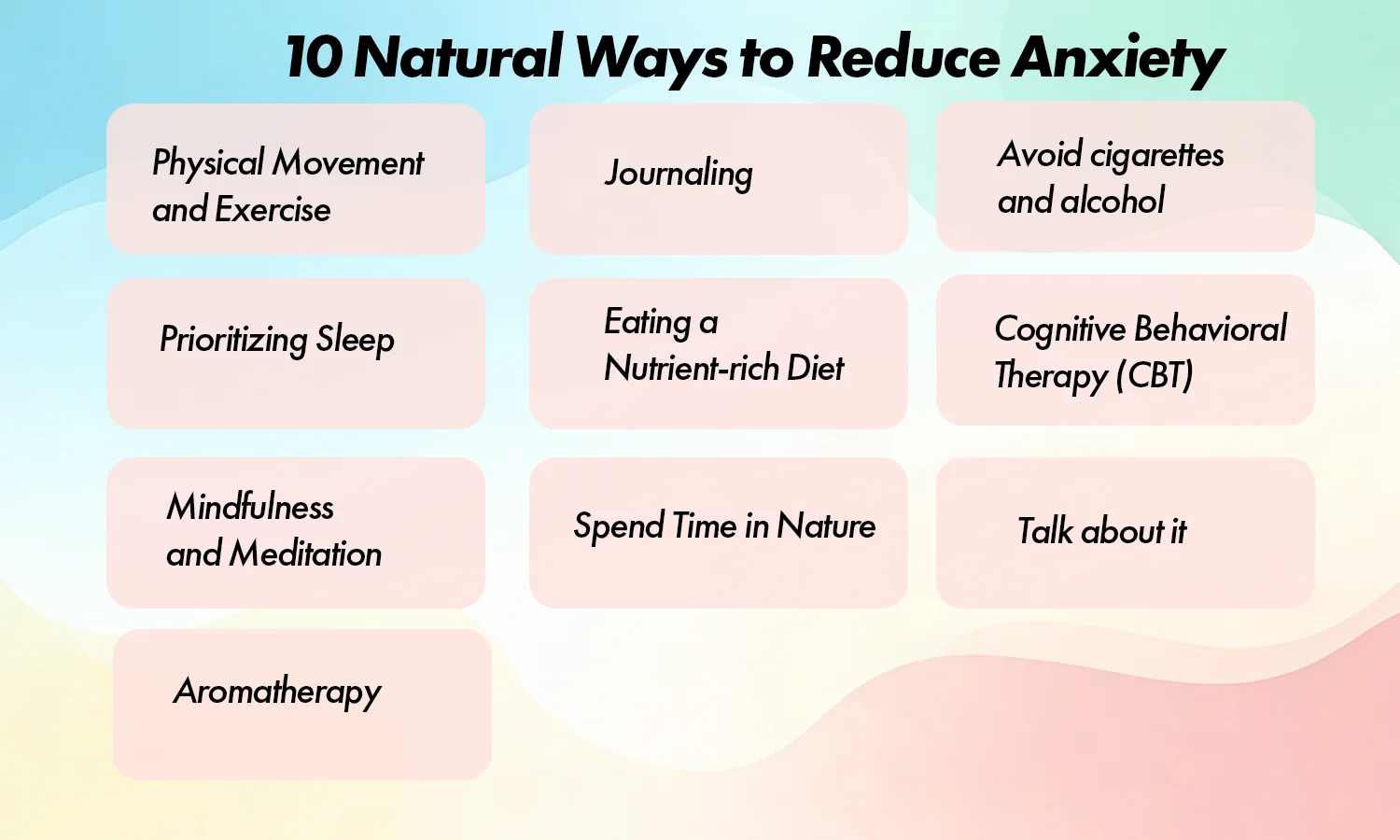
10 Natural Ways to Reduce Anxiety

ways to reduce anxiety

Many daily habits can support emotional balance and help manage anxious thoughts. The following strategies are considered some of the most effective ways to reduce anxiety naturally.

1. Physical Movement and Exercise

Regular exercise releases endorphins, which are natural mood boosters. Even simple activities like walking, yoga, or stretching can provide a natural way to relieve anxiety fast by reducing stress hormones and releasing built-up tension.

2. Prioritizing Sleep

Sleep plays a vital role in emotional regulation. Lack of sleep can make the brain more reactive to stress and increase anxious thoughts. Maintaining a consistent sleep routine can support healthier mental balance.

3. Mindfulness and Meditation

Mindfulness helps people focus on the present moment instead of worrying about the future. Meditation techniques can calm racing thoughts and improve emotional awareness.

4. Aromatherapy

Essential oils such as lavender, chamomile, and bergamot are often used in aromatherapy to promote relaxation. The calming scent can help reduce stress and support emotional comfort.

5. Journaling

Writing down thoughts and emotions allows individuals to process their worries more clearly. Journaling can reveal patterns in anxious thinking and help people understand what triggers their stress.

6. Eating a Nutrient-Rich Diet

Nutrition also influences emotional well-being. Foods rich in omega-3 fatty acids, magnesium, and vitamins help support brain function and stabilize mood.

7. Spend Time in Nature

Spending time in nature can significantly lower stress levels. A short walk in a park or natural setting can refresh the mind and reduce feelings of tension.

8. Avoiding Cigarettes and Alcohol

Although some people turn to substances to cope with stress, they can actually worsen anxiety over time. Reducing these habits supports better sleep, emotional stability, and physical health.

9. Cognitive Behavioral Therapy (CBT)

CBT is a well-researched psychological approach that helps individuals recognize and change negative thought patterns. It provides practical tools for long-term emotional management and may even contribute to a cure anxiety approach when combined with other healthy habits.

10. Talking About It

Talking to a trusted friend, family member, or counselor can make a significant difference. Social connection helps people feel supported and less isolated when dealing with anxiety.

Many individuals find that combining these approaches becomes one of the best ways to relieve anxiety without medication.

Also Read:Fear of Being Alone? 7 Effective Ways to Overcome

Key Takeaways on Natural Ways to Reduce Anxiety

Managing anxiety is not always about eliminating stress completely. Instead, it involves learning practical ways to reduce anxiety and strengthening emotional resilience over time.

Natural strategies such as exercise, mindfulness, healthy eating, and supportive conversations help regulate the nervous system. These methods can calm the body’s “fight-or-flight” response and encourage a healthier emotional balance.

While natural approaches can be highly effective for many people, severe or persistent anxiety may still require professional guidance. Combining healthy habits with professional support can create the most balanced path toward long-term well-being.

Conclusion

Anxiety can feel overwhelming, but small lifestyle changes can make a meaningful difference. Exploring ways to reduce anxiety through physical movement, mindfulness, healthy routines, and supportive relationships can help individuals gradually regain emotional balance.

Developing these habits takes time and patience, but consistent effort can strengthen mental resilience and improve overall well-being.

For readers who want to explore deeper insights into understanding thoughts, emotions, and personal growth, the book The Game of Change by Geeta Ramakrishnan offers valuable reflections on self-awareness and emotional balance. The ideas shared in the book encourage readers to observe their mental patterns and develop healthier ways of responding to stress and anxiety in everyday life.

FAQs

Managing anxiety often involves developing healthy habits such as exercise, mindfulness, and supportive conversations. These practices can gradually strengthen emotional resilience.

The 3-3-3 rule is a grounding technique where you identify three things you see, three sounds you hear, and move three parts of your body to bring your focus back to the present moment.

Common symptoms include excessive worry, restlessness, fatigue, difficulty concentrating, and sleep disturbances.

While anxiety is a natural emotion, people who manage it effectively often maintain healthy routines, emotional awareness, supportive relationships, and stress-management techniques.

Filed Under: Emotions

  • Page 1
  • Page 2
  • Page 3
  • Interim pages omitted …
  • Page 26
  • Go to Next Page »
  • Facebook
  • Twitter
  • Instagram
  • LinkedIn
  • YouTube
  • Connect

The information on this website is not intended to be a substitute for professional health or personal advice.
Always seek the advice of a qualified professional for medical conditions.


Copyright © 2026 · Geeta Ramakrishnan